Poyntonophrynus damaranus: The Secretive Life of the Damara Pygmy Toad#
In the twilight hours, nestled among the shadows of Namibia and southern Angola’s dry terrains, a small creature emerges unnoticed by most. Covered in subtle hues perfected by millions of years of adaptation, this tiny amphibian—rarely exceeding an inch in length—lives quietly but resiliently. Known scientifically as Poyntonophrynus damaranus, and colloquially as the Damara pygmy toad, this unassuming frog might easily escape notice. But beneath its humble canvas is a captivating portrait of survival, adapted perfectly to the harsh environments of southern Africa.
While larger and flashier wildlife may dominate magazine covers and nature documentaries, the Damara pygmy toad holds its place with quiet pride, indicative of the lesser-known yet incredibly fascinating species gracing our natural world. From unique survival adaptations to subtle ecological roles, Poyntonophrynus damaranus provides crucial insights into amphibian survival amidst escalating environmental challenges.
Taxonomy and Classification#
The Damara pygmy toad (Poyntonophrynus damaranus) belongs to the family Bufonidae, a family known popularly as “true toads.” Within this diverse and widespread family are numerous species characterized by dry, warty skin and relatively stout bodies adapted to terrestrial life. Historically, members of the genus Poyntonophrynus were grouped within the genus Bufo until molecular studies compelled taxonomists to reconsider their placement. As a result, Poyntonophrynus was established as a distinct genus in recognition of subtle anatomical and genetic distinctions, placing our diminutive subject alongside several similarly compact and enigmatic species.
Closely related species, such as Poyntonophrynus fenoulheti and Poyntonophrynus dombensis, share geographical ranges and habitats, weaving an intricate tapestry of small but significant amphibian communities. Within this genus, the Damara pygmy toad stands out subtly, marked by its unique blend of coloration and behaviors evolved specifically to thrive amid the rocky, dry regions it calls home.
Natural Habitat#
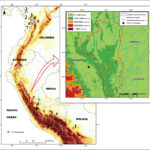
Across western Namibia and extending narrowly into southern Angola, the Damara pygmy toad inhabits arid and semi-arid environments characterized by sparse vegetation, rocky surfaces, savannas, and dry shrubland. Unlike their rainforest cousins whose choruses echo through lush canopies, these amphibians exist in subtle, almost secretive communities. Their preferred habitats often include ephemeral water bodies created during brief periods of rainfall, temporary puddles, and shallow rock pools—vital refuges in an otherwise near-waterless expanse.
Adapted to life where water is scarce, this species showcases incredible resilience and resourcefulness. Watching their behavior during rare rainfall events reveals a precious window of proactive engagement, as these usually cryptic creatures spring to action, seizing the opportunity to mate and lay eggs.
When droughts return—as inevitably they do—they retreat underground or into shaded cavities beneath rocks, conserving moisture with extraordinary physiological abilities. It is a delicate dance of life and survival—waiting for rain, often dormant underground or beneath debris, hidden away from the unforgiving heat of the southern African sun.
Physical Characteristics#
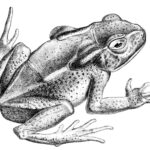
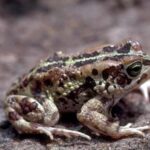
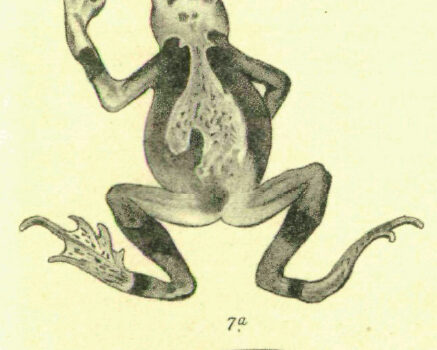
The Damara pygmy toad is truly diminutive, generally measuring less than three centimeters from snout to vent—the definition of small-scale adaptation at its finest. Its compact body is peppered with rough, coarse skin, an effective tool for minimizing water loss in dry climates. Coloration typically ranges through various shades of brown, gray-brown, or olive, often enhanced with blotches or markings resembling the sandy texture of their surroundings. This cryptic adornment is a masterpiece of evolution, rendering each individual nearly invisible when motionless amid gravel and dried vegetation.
Eyes positioned high on the head grant a wide field of vision, alerting the toad of looming threats, and enabling early decisions to commence evasive behavior before danger draws too close. Its limbs—though short—are sturdy, effective for hopping short distances and burrowing shallow depressions into softer earth. These adaptations speak of a life shaped by constant negotiation with a challenging habitat: a species thriving at the precise boundary between endurance and adaptability.
Behavior and Life Cycle#
Nocturnal Rhythm of Survival#
Primarily nocturnal, the Damara pygmy toad embarks on nighttime forays shortly after dusk, emerging from daytime shelters to explore, forage, and mate—activities carried out beneath the relative safety of darkness. Feeding mainly on small invertebrates such as ants, termites, beetles, and spiders, enabled by a powerful projectile tongue, this humble amphibian quietly informs the delicate balance within its environment.
The Frenetic Charisma of Breeding Season#
The most dynamic phase of Poyntonophrynus damaranus’ life occurs with the first rains, when usually subdued creatures transform into frenzied participants in nature’s spectacle. Males initiate a chorus characterized by soft yet persistent calls—repeated chirps and trills audible amidst intermittent rainfall—luring females towards carefully selected pools of water.
Following successful courtship, females lay strings of eggs submerged in shallow temporary pools. The resulting tadpoles must rapidly progress through their developmental stages, metamorphosing within weeks before drying waters signal a swift, often unavoidable end. It’s an accelerated existence calibrated perfectly to the ephemeral water resources that mark this corner of Africa.
Ecological Role#
Perhaps easily overlooked due to its small size and secretive habits, the Damara pygmy toad holds an undeniable significance within its ecosystem. Acting as both predator and prey, these humble amphibians help maintain balance within the intricate web of arid climate interactions. As insectivores, they diligently manage populations of small, ground-dwelling arthropods, while simultaneously providing essential nourishment to predators such as birds, snakes, small mammals, and larger amphibians.
Moreover, amphibians broadly act as indicator species. Their health and population trends often reflect the underlying health of their habitats and ecosystems. Monitoring populations of species like Poyntonophrynus damaranus provides conservationists subtle signals of broader environmental conditions and trends—a litmus test for the complexities of desert life.
Threats and Conservation Status#
Currently listed as “Least Concern” by the International Union for Conservation of Nature (IUCN), Poyntonophrynus damaranus nonetheless faces subtle but increasing threats. Habitat disturbances due to expanding human settlements, agricultural expansion, and mineral resource extraction activities pose risks, alongside the looming complexities introduced by climate change.
Erratic rainfall patterns becoming more unpredictable could pose significant threats, disrupting the ephemeral water bodies essential for breeding. Additionally, pesticides and environmental contaminants entering waterways pose concerns for amphibians globally, whose porous skins make them inherently susceptible. Thus, vigilance and careful monitoring remain crucial. Small changes amplify quickly in fragile amphibian habitats.
Cultural and Scientific Significance#
Though small and innocuous looking, the Damara pygmy toad contributes to cultural conversations surrounding biodiversity preservation and the inherent value of species conservation, irrespective of global attention. While the species itself rarely features prominently in indigenous folklore or cultural symbolism, its presence—and vulnerability—resonates within broader societal narratives highlighting our interconnectedness and the importance of protecting even the smallest members of Earth’s community.
Scientists studying amphibian adaptations to extreme conditions often look towards species like Poyntonophrynus damaranus for clues and insights. By understanding its physiological mechanisms for water conservation, biologists and environmental adaptation researchers can learn valuable lessons applicable to broader ecological and conservation challenges.
Conclusion: The Call to Conserve the Quiet Wonders#
The story of the Damara pygmy toad isn’t flashy or attention-grabbing. Instead, it whispers quietly of persistence, adaptation, and intricate ecological roles. Conservation isn’t solely about preserving charismatic megafauna, but also about safeguarding countless overlooked yet ecologically significant species integral to global biodiversity.
Let the modest Damara pygmy toad (Poyntonophrynus damaranus) inspire us to pause, appreciate, and cherish nature’s subtler offerings—creatures who weave essential threads into the larger ecological fabric. By learning about such organisms, advocating sustainable development practices, and supporting conservation efforts, each of us plays a role in preserving the fragile beauty hidden within Africa’s drylands.
Amid the silence of a Namibian night, the soft trill of a tiny toad serves as a gentle but urgent reminder of nature’s worth—and our responsibility to protect it.