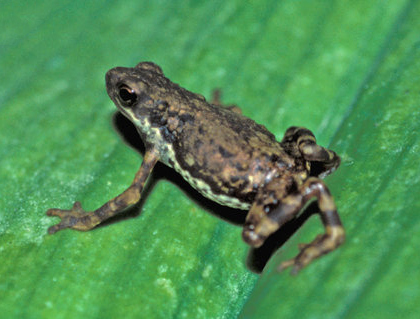
- Unveiling the Enigmatic Pelophryne lighti: Borneo's Mysterious Dwarf Toad
- Taxonomy and Classification: Where Does Pelophryne lighti Belong?
- Natural Habitat: A Secretive Resident of Borneo's Rainforests
- Physical Characteristics: Masters of Camouflage and Adaptation
- Behavior and Life Cycle: A Hidden World of Intrigue
- Ecological Role: Small Players, Big Impacts
- Threats and Conservation Status: Vulnerability in a Rapidly Changing World
- Cultural and Scientific Significance: Understanding Nature's Hidden Treasures
- Conclusion: Preserving the Future of Pelophryne lighti and Beyond
Unveiling the Enigmatic Pelophryne lighti: Borneo’s Mysterious Dwarf Toad#
From the mist-shrouded forests of Borneo emerges a small creature whose secretive lifestyle and unobtrusive charm have captivated scientists and nature enthusiasts alike. Meet Pelophryne lighti—a diminutive yet fascinating amphibian quietly living its life amidst the lush greenery and thick layers of moss. At first glance, you might mistake it for a patch of lichen or a knot of bark, but look closer and you’ll discover a marvel of evolutionary adaptation.
Belonging to the Bufonidae family—famously known for its iconic members we typically call toads—Pelophryne lighti is anything but ordinary. Hidden within its compact form are intriguing behaviors, ecological interconnectedness, and unique survival strategies finely tuned to the challenges of Borneo’s dense rainforest habitats.
Did you know that despite its tiny size, Pelophryne lighti serves as an integral indicator of the overall health of its rich ecosystem? As amphibians are highly sensitive to environmental changes, the presence—or absence—of this diminutive toad can reveal much about the ecological stability of its home. Join us as we venture deeper into the world of Pelophryne lighti, exploring its hidden lifestyle, biology, and why understanding its place in nature matters profoundly.
Taxonomy and Classification: Where Does Pelophryne lighti Belong?#
Scientifically known as Pelophryne lighti, this unique toad species belongs to a fascinating amphibian lineage within the Bufonidae family. Often referred to as “dwarf toads,” members of the genus Pelophryne stand out for their petite stature and cryptic coloration. First described scientifically by the herpetologist Taylor in 1920, the species was named to honor the pioneering naturalist S. F. Light. Since its description, this modest-looking amphibian continues to pique the interest of researchers trying to piece together the evolutionary mysteries surrounding its lineage.
The genus Pelophryne itself is home to approximately a dozen species scattered across Southeast Asia. Its closest cousins include Pelophryne brevipes, another small-sized rainforest dweller, yet each species within the genus possesses unique characteristics and adaptations tailored perfectly to their microhabitats.
Natural Habitat: A Secretive Resident of Borneo’s Rainforests#
Hidden beneath the towering trees and lush understory vegetation of Borneo’s verdant forests is the modest domain of Pelophryne lighti. Preferring elevations ranging roughly from 150 to 1,000 meters above sea level, this little amphibian thrives in humid, wet environments that characterize the island’s diverse tropical forests. Moist leaf litter, moss-covered logs, and rocky crevices drenched by frequent rainfall provide perfect shelter for the diminutive toad.
Borneo, the world’s third-largest island, presents extraordinary levels of biodiversity, and within this majestic kingdom, subtle niches exist in abundance. Pelophryne lighti carefully selects microhabitats where dampness reigns and sunlight gently filters down in patches from the dense canopy above. These secluded spots offer refuge from the ever-watchful eyes of potential predators, enabling the small amphibian to blend effortlessly into its surroundings.
Life beneath the leaf litter and within moss-draped crevices is not ordinary; it is a complex world shaped by interactions across a symphony of tiny creatures. In this hidden realm, Pelophryne lighti plays a quiet yet profound role—contributing to nutrient cycling, incubating its delicate offspring, and maintaining balance within the ecosystem’s intricate web of life.
Physical Characteristics: Masters of Camouflage and Adaptation#
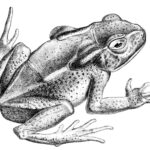
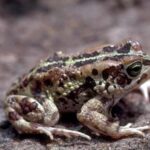
One look at Pelophryne lighti, and you’ll appreciate nature’s remarkable subtlety on full display. Only measuring about twenty millimeters (less than an inch), it stands as one of the smaller members of its genus. Its diminutive size alone is impressive, but it is the detailed texture and color of its skin that reveal evolutionary craftsmanship at its peak.
The toad’s earth-toned coloration, blending shades of browns, greens, and grays, is thoughtfully designed by nature to facilitate flawless camouflage. A cursory glance might have you mistake the creature for a dried leaf or a piece of bark—exactly what predators would experience in the wild. Alongside these muted colors, subtle patches and tiny, wart-like bumps cover its surface, further imitating rough textures of natural forest materials.
Pelophryne lighti’s physical characteristics offer more than mere disguise—they showcase survival adaptations fine-tuned over millennia. Short and powerful hind legs enable quick, stealthy hops, allowing for rapid escapes into foliage, while the toad’s robust yet small build helps reduce water loss, maintaining vital moisture in humid tropical environments.
Behavior and Life Cycle: A Hidden World of Intrigue#
The Elaborate Nighttime Activities of Pelophryne lighti#
The secretive nature of Pelophryne lighti becomes more pronounced at dusk, when the forest awakens to a nocturnal symphony. As daylight wanes, these diminutive amphibians emerge quietly from their moist hiding spots, ready to hunt for tiny prey such as ants, termites, beetle larvae, and other small invertebrates. Using their keen eyesight and sensitive tongues, they expertly snag food items with surprising accuracy.
The Unique Reproductive Cycle of Pelophryne lighti#
Mating behaviors often provide amphibians with some of their most fascinating traits, and Pelophryne lighti is no exception. During rainy seasons, males emit soft, distinctive calls—delicate melodies lingering gently through misty rainforest air—as they attempt to attract potential mates to suitable breeding sites.
Gently flowing, shallow streams and isolated pools serve as ideal locations for egg-laying. After breeding, females carefully lay small clusters of jelly-encased eggs, securing them strategically to vegetation or submerged rocks to protect them from fierce torrents in rapidly changing weather conditions. The eggs hatch into aquatic larvae, known as tadpoles, which thrive in and carefully navigate the shallow waters. After several weeks, tiny newly metamorphosed juveniles emerge, taking their first exploratory steps into terrestrial habitats already perfectly camouflaged for life on land.
Ecological Role: Small Players, Big Impacts#
Though modest in size and stature, Pelophryne lighti occupies a crucial ecological niche. As both prey and predator within its domain, it contributes significantly to regulating populations of small insects and invertebrates, serving as an indispensable link within the rainforest food web. Many species—including birds, snakes, and larger amphibians—rely on these small toads as nutritional resources, demonstrating their notable significance within the ecosystem.
Furthermore, amphibians like Pelophryne lighti are famously sensitive ecological indicators, highly attuned to changes in environmental conditions such as water quality, habitat disturbance, and climate shifts. Studying their populations and behavior patterns gives scientists unique insight into broader ecological changes occurring in sensitive rainforest habitats.
Threats and Conservation Status: Vulnerability in a Rapidly Changing World#
Regrettably, life in Borneo does not remain shielded from human impacts: widespread deforestation, illegal logging, infrastructure development, and climate change pose major threats to rainforest ecosystems. Currently categorized by the International Union for Conservation of Nature (IUCN) as “Least Concern,” ongoing habitat degradation unquestioningly increases risks for the future survival of Pelophryne lighti.
Conservation advocates and environmental scientists continue striving to monitor population dynamics, safeguard systematic habitat protections, and pursue international collaborative efforts to protect Borneo’s unmatched biodiversity.
Cultural and Scientific Significance: Understanding Nature’s Hidden Treasures#
Though small and elusive, the broader cultural narrative of amphibians across communities worldwide as symbols of balance, transformation, and adaptability is noteworthy. Scientifically, every species discovered or studied significantly deepens our understanding of ecosystem complexity, evolutionary processes, and biodiversity importance—Pelophryne lighti being no exemption.
Conclusion: Preserving the Future of Pelophryne lighti and Beyond#
Pelophryne lighti exemplifies the beauty and elegance hidden within nature’s subtle designs. In recognizing its fascinating biology and ecological significance, we underline our responsibility to protect such treasures from environmental degradation. By fostering understanding, curiosity, and care for these tiny amphibian wonders, we strengthen our collective resolve to safeguard our planet’s biodiversity for generations to come.