- The Hidden Life of Rhinella achalensis: Exploring Argentina’s Elusive Mountain Toad
- Taxonomy and Classification of the Achala Toad
- The Rugged Realm: Natural Habitat of Rhinella achalensis
- A Portrait of Resilience: Physical Characteristics and Adaptations
- The Secretive Lives of Achala Toads: Behavior and Life Cycle
- Guardians of Balance: Ecological Role
- Facing the Storm: Conservation Status and Threats
- Cultural and Scientific Significance: Beyond Mere Survival
- Conclusion: Preserving the Silent Song of Argentina’s Mountain Toad
The Hidden Life of Rhinella achalensis: Exploring Argentina’s Elusive Mountain Toad#
Amidst the mist-covered slopes and craggy ridges of Argentina’s Sierras Pampeanas lives an amphibian often overshadowed by its more flamboyant cousins. Yet, within its humble form, the Achala toad, scientifically known as Rhinella achalensis, weaves a fascinating tale of survival, adaptation, and ecosystem interdependence. Dwelling in environments where few amphibians dare tread, this unique toad defies the odds, thriving in rugged and often unforgiving habitats high in the Achala mountains. Though unassuming at first glance, its remarkable adaptations and intriguing behaviors offer unparalleled insights into an ecosystem teeming with hidden wonders.
Taxonomy and Classification of the Achala Toad#
The Achala toad, Rhinella achalensis, belongs to the family Bufonidae, a large and diverse group commonly known as the “true toads.” Within the genus Rhinella, it joins a wide array of species distributed across tropical and subtropical regions of Central and South America. Initially described scientifically in the mid-20th century by Cei in 1972, Rhinella achalensis is part of a fascinating lineage characterized by hardy survival skills and unique adaptations suited explicitly for rocky highland habitats.
Rhinella toads are often recognized by their robustness, granular skin, and pronounced parotoid glands—features the Achala toad proudly shares. This species, however, displays subtle yet significant morphological variations, underscoring its specific adaptations to mountainous terrains and high-altitude challenges unique to central Argentina’s Cordoba province.
The Rugged Realm: Natural Habitat of Rhinella achalensis#
This enigmatic species inhabits a specific, geographically restricted region, primarily confined to the high-elevation grasslands and rocky plateaus of the Sierras Grandes, particularly in the Pampa de Achala region in Cordoba Province. Nestled at astonishing altitudes between approximately 1,900 and 2,400 meters above sea level, the Achala toad navigates an ecosystem that’s a dramatic blend of sheer escarpments, rolling plateaus punctuated by streams, ponds, and isolated pools created during seasonal rains or snow melt.
In these windswept grasslands and alpine scrub landscapes—dominated by dwarf shrubs, tough native grasses, and lichens—the Achala toad encounters a harsh yet beautifully adapted mosaic of life. Its preferred microhabitats include small ravines, crevices, under stones, and around shallow, herb-fringed pools exposed to open sunlight. Such habitats provide critical refuge and moisture, vital during dryer months when scarce water becomes a prized resource.
These alpine conditions are not for every amphibian. Temperatures fluctuate starkly between day and night, and seasonal shifts can dramatically alter the landscape, transforming it from wet meadows into dry, windswept grasslands. But this brave and versatile toad, equipped with specialized physiological and behavioral traits, demonstrates the resilience necessary to endure the rigors of mountain life.
A Portrait of Resilience: Physical Characteristics and Adaptations#
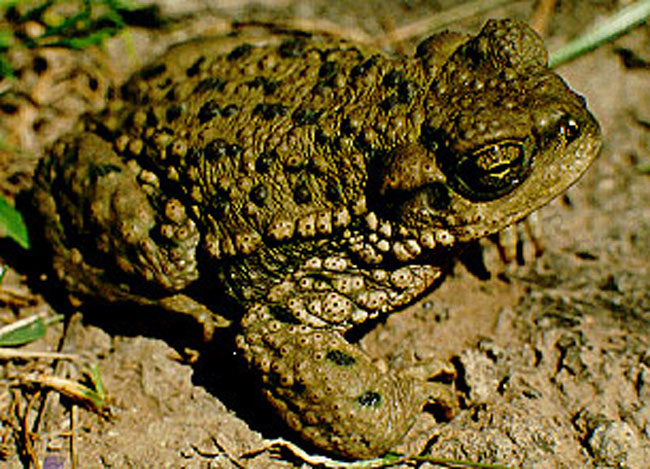
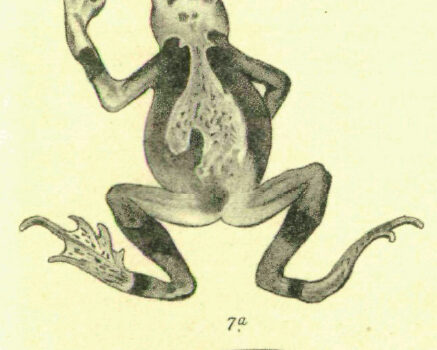
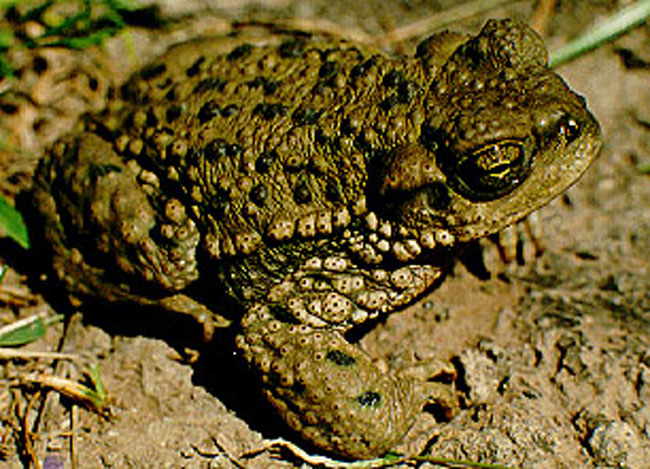
Revealing beauty within modesty, Rhinella achalensis dons an earth-toned palette of rough grays, browns, olive-greens, and occasionally reddish-browns. This cryptic coloration provides impeccable camouflage against its rocky, grassy surroundings, allowing it to vanish seamlessly from predators’ scrutiny. Typically, an adult Achala toad measures between 40 to 75 millimeters in length, presenting a small yet powerful body beautifully adapted to its specific mountain niche.
Its rough-textured skin, dotted with tiny warts studded along its back and limbs, acts as a natural shield. Within this rugged epidermis, specialized glands known as “parotoids” discreetly secrete toxins when threatened—a well-known trait in Bufonidae species—that deters predators and offers a life-saving advantage in an environment scant on protective shelters.
The Achala toad’s powerful, muscular legs are suited perfectly to navigating rocky terrain, allowing both subtle and sudden movements depending on the necessity of the moment. Webbing between its toes aids in swimming and paddling in temporary pools, vital to breeding, while its hind limbs, strong and agile, allow it to leap into safety from grasping claws of lurking predators such as birds and small mammals.
The Secretive Lives of Achala Toads: Behavior and Life Cycle#
Surviving on High Elevation Cuisine#
Primarily nocturnal, Rhinella achalensis emerges as dusk envelops the mountains, transforming the landscape into a symphony of subtle amphibian calls and insect cricketing. Achala toads are opportunistic predators, feeding predominantly on terrestrial insects, spiders, and small invertebrates abundant in the grasses or under stones. Their eyes, sharp and attentive, target prey effectively against dim twilight surroundings, while their sticky tongues provide swift, decisive strikes—a crucial trait in resource-limited alpine habitats, where every meal matters immensely.
Unique Breeding Behavior Amidst Harsh Conditions#
Breeding behaviors unfold with the return of warmer seasons, ironically heralded by chilled mountain streams and pools fed by melting snow. Male Achala toads gather around shallow ponds, emitting soft yet resonant calls that echo subtly against the mountain backdrop, attracting receptive females to the modest aquatic rendezvous.
Females deposit hundreds to thousands of glistening eggs—their gelatinous coats shimmering in the sunlit shallows. These eggs, meticulously anchored to submerged plant stems or rocky edges, soon hatch into lively tadpoles custom-built for alpine aquatic life. In temporary pools, tadpole development is swift and synchronized, essential to mature before the diminishing waters vanish. Juvenile toadlets leave aquatic nurseries within a matter of weeks, tiny but resilient ambassadors of the next Achala toad generation.
Guardians of Balance: Ecological Role#
Despite its small stature, Rhinella achalensis holds a disproportionately significant ecological role in the high-altitude grasslands of Argentina. This toad plays a crucial role in maintaining insect and arthropod populations, thereby regulating potential pest species and ensuring balanced food webs. Concurrently, they represent a vital food source for predators adapted specifically to the mountain environment, including numerous birds, snakes, and small mammals.
Beyond trophic relationships, Achala toads function as bioindicators. Due to their sensitive nature and permeable skin, amphibians, in general, reflect environmental changes rapidly. Monitoring Achala toad populations and health allows ecologists valuable insight into ecosystem integrity and the impacts of broader environmental issues, including climate change, pollution, or habitat degradation.
Facing the Storm: Conservation Status and Threats#
Rhinella achalensis is listed by the International Union for Conservation of Nature (IUCN) as “Endangered,” facing significant threats primarily stemming from habitat degradation and climate change impacts. Human encroachment, tourism, road construction, mining exploration, livestock grazing, and agriculture increasingly fragment and deteriorate its delicate mountain habitat.
Climate change exacerbates existing threats as alterations in precipitation patterns, temperature rise, and shifting seasonal cycles disrupt breeding success and habitat availability. Disease, notably chytridiomycosis—an aggressive fungal pathogen devastating amphibians worldwide—further poses imminent threats due to potential pathogen introductions from human activity into previously isolated mountain ecosystems.
Conservationists and researchers now strive to safeguard this unique toad through careful habitat management, sustainable tourism practices, heightened awareness, and targeted ecological monitoring programs. Effective measures also include creating protected areas or preserves and conducting thorough research to better comprehend the delicate nuances of the Achala toad’s life within its fragile mountain home.
Cultural and Scientific Significance: Beyond Mere Survival#
While Rhinella achalensis might not hold a prominent place in local myths or popular symbolism compared to more charismatic animals, its quiet presence speaks volumes about hidden biodiversity treasures within Argentina’s mountain ecosystems. Ecologically specialized species like Achala toads offer invaluable insights into ecological resilience, environmental health, and biological adaptability.
Scientific researchers study the species intensively, piecing together subtle ecological puzzles that contribute overall understanding to climate change adaptations, toxin research, and amphibian population conservation strategies—making Rhinella achalensis a vital, though often overlooked, jewel in Argentina’s biological heritage.
Conclusion: Preserving the Silent Song of Argentina’s Mountain Toad#
The gentle, unobtrusive existence of Rhinella achalensis echoes across the windswept peaks and grassy highlands where it thrives, highlighting profound adaptability, resilience, and ecological interconnectivity. Ensuring its continued survival requires concerted conservation efforts, public engagement, habitat protection, and increased scientific study.
By celebrating and safeguarding this remarkable amphibian—an important ambassador for biodiversity—it becomes clear: the future of Rhinella achalensis represents the health and survival of entire mountain ecosystems. Let us listen closely to its quiet song, marvel at its resilience, and join forces in protecting this unique guardian of the Argentine mountainscape.