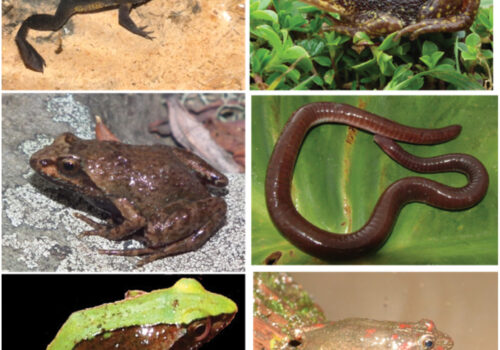
- Sigalegalephrynus minangkabauensis: Unveiling the Enigmatic Forest Frog of Sumatra
- Taxonomy and Classification
- Natural Habitat: Life Among the Clouds
- Physical Characteristics: Hidden Elegance
- Behavior and Life Cycle: Echoes in the Night
- Ecological Role: Balancing the Forest Web
- Threats and Conservation Status: Standing on Fragile Ground
- Cultural and Scientific Significance: Nature’s Ambassador from Minangkabau
- Conclusion: Preserving a Precious Legacy
Sigalegalephrynus minangkabauensis: Unveiling the Enigmatic Forest Frog of Sumatra#
Beneath the dense tropical canopy of Indonesia’s Sumatran forests, hidden amidst the humidity and shadows, lives one of nature’s intriguing gems. Sigalegalephrynus minangkabauensis—a name resonating with regional pride and scientific fascination—has quietly captured the curiosity of scientists and nature enthusiasts alike since its recent discovery. With a haunting chorus that echoes mysteriously through mountain forests, this elusive toad symbolizes both the richness of Sumatra’s biodiversity and the precarious future of its unique ecosystems.
Named carefully to pay tribute to the Minangkabau people, whose culture intertwines intricately with these verdant landscapes, the discovery of this diminutive amphibian serves not only as a scientific revelation but also as a celebration of regional heritage. Yet, even as it captivates scientific attention, this humble toad subtly reminds us of the delicate balance within forest ecosystems—and the vulnerability of species reliant on disappearing habitats.
Taxonomy and Classification#
Sigalegalephrynus minangkabauensis belongs to a small and specialized genus, Sigalegalephrynus, within the family Bufonidae. The Bufonidae family, commonly known as true toads, is widely distributed worldwide, containing some of amphibian conservation’s most fascinating species. Yet, within this vast family lies this little-known genus, represented by species that appear uniquely adapted to their specific mountainous habitats.
First described scientifically in 2017 by herpetologists eager to reveal the biodiversity treasures lurking unseen in West Sumatra, Sigalegalephrynus minangkabauensis has already intrigued researchers due to its seemingly isolated evolutionary history. DNA analysis places it closely related to certain Southeast Asian toads; however, subtle morphological differences clearly set it apart, underscoring a story of ecological specialization and adaptation born from thousands of years of rainforest isolation.
Natural Habitat: Life Among the Clouds#
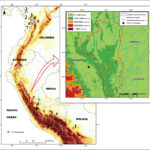
Sigalegalephrynus minangkabauensis inhabits cloud-shrouded montane forests, typically found at elevations ranging between 1200 to 1700 meters above sea level on Sumatra’s rolling mountainous terrain. Known habitats include lush, moist zones within Gunung Singgalang, Mount Marapi, and adjacent mountainous areas. Each location is characterized by persistent humidity, frequent rainfall, and dense cloud forests—conditions critical to amphibians whose livelihoods depend intimately on moisture and stable climatic conditions.
An Ecosystem Suited for Amphibians#
Their habitats are dominated by thick canopies of dipterocarp trees, moss-laden forest floors, and an abundance of leaf litter—bedding ideal for shelter and camouflage. Streams and natural watercourses wind gently through these forests, maintaining year-round humidity vital to amphibian survival.
By adapting closely to these highly specific habitats, Sigalegalephrynus minangkabauensis plays a subtle yet crucial role, thriving within a refined ecological niche that reinforces the importance of preserving such delicate ecosystems.
Physical Characteristics: Hidden Elegance#
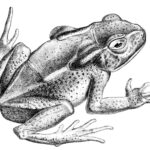
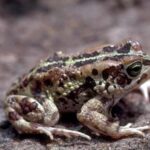
With adult size moderately small—ranging from approximately 28 to 33 millimeters in length—Sigalegalephrynus minangkabauensis is easily overlooked by casual observers. Yet, close observation reveals rich details: its skin texture features prominent granular bumps and cryptic coloration patterns of muted browns, grays, and greens, perfectly camouflaging the toad within the surrounding forest floor and debris.
Built for Camouflage and Stealth#
Unlike brightly colored frogs whose hues scream warnings about toxins, these subtler colorations and granular skin allow the species to remain virtually invisible to potential predators and unsuspecting prey. Each individual’s coloration subtly varies, blending expertly into mossy logs, decaying leaves, and damp forest soil, evoking the quiet artistry of nature’s finest brushstrokes.
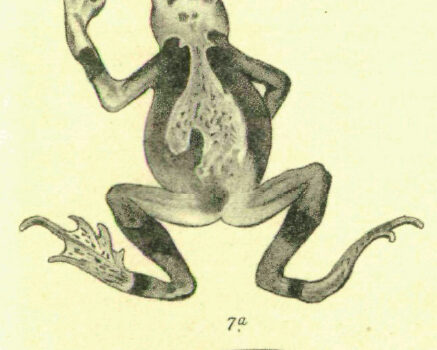
Its well-developed limbs and sensitive web-less digits facilitate agile climbing and hopping through intricate vegetation structures, helping it navigate complex environments with ease. Meanwhile, its distinctly elliptical pupil—common among nocturnal amphibian species—suggests excellent low-light vision, essential for nighttime activity.
Behavior and Life Cycle: Echoes in the Night#
As darkness blankets the forest floor and moonlight filters softly through tangled branches, an enchanting chorus emerges. Male Sigalegalephrynus minangkabauensis vocalize during rainy nights, producing soft yet penetrating calls reminiscent of rustling leaves or distant whispers—a truly haunting sound within their shadowy realm. Such acoustic behaviors function primarily as courtship rituals, essential for pairing and mating success amongst this secluded forest population.
Hunting and Feeding Habits#
Like many small Bufonidae species, this small toad is an opportunistic predator. Its diet consists mainly of forest insects and arthropods, ranging from ants and termites to small beetles, flies, and mites. With carefully honed ambush and opportunistic behaviors, Sigalegalephrynus minangkabauensis waits patiently, hidden beneath leaf litter or perched motionlessly on low vegetation, for prey passing unaware. Its remarkably sticky tongue darts swiftly, capturing prey in milliseconds before returning to its concealed resting position.
An Intriguing Reproductive Cycle#
Breeding often coincides with the onset of the rainy season. Females lay clusters of small, jelly-like eggs in hidden, sheltered aquatic sites—calm pools, leaf axils, or slow streams nestled deep within lush vegetation. The tadpoles born from these hidden nurseries display astonishing adaptability, maturing swiftly to reduce predation risk and capitalize quickly on rich nutrient sources. Within weeks, small, fully-formed juveniles emerge from their protective water havens, ready to embark upon lives intricately woven through the rainforest ecosystem.
Ecological Role: Balancing the Forest Web#
These cryptic frogs contribute profoundly to the delicate ecological equilibrium of their montane rainforests, acting simultaneously as predator and prey. Feeding voraciously on insects, Sigalegalephrynus minangkabauensis effectively regulates insect populations, contributing indirectly to forest health by mitigating pest outbreaks. Conversely, their presence also provides essential nourishment for larger predators, such as snakes, birds, and small mammals—ensuring diverse trophic interactions remain strong.
Their sensitivity to minute changes makes them reliable indicators of environmental stability. Monitoring populations of Sigalegalephrynus minangkabauensis can give valuable early warnings of ecological imbalance due to pollution, climate variations, or human influence, thus lending crucial conservation insights.
Threats and Conservation Status: Standing on Fragile Ground#
While comprehensive population studies remain limited, preliminary research suggests Sigalegalephrynus minangkabauensis faces significant environmental threats—primarily habitat loss and degradation from deforestation, agricultural expansion, and human settlement encroachment. Additionally, climate change’s slowly intensifying impacts pose serious threats to fragile montane habitats, altering microclimatic conditions essential to their survival.
No formal IUCN Red List categorization has yet been assigned officially to this recently described, endemic species. However, its restricted geographical distribution and specialized habitat requirements clearly indicate vulnerability—highlighting an urgent need to formalize protection measures and prioritize further research.
Cultural and Scientific Significance: Nature’s Ambassador from Minangkabau#
The very name “Minangkabauensis” illuminates this species’ intimate bond with the Minangkabau culture of West Sumatra, whose traditions deeply emphasize harmony and coexistence with nature. Just as local folklore reveres forests as sacred keepers of cultural wisdom, this amphibian embodies a bridge between scientific discovery and cultural identity, underscoring the importance of community involvement in biodiversity conservation.
Moreover, this amphibian’s existence challenges conservationists and biologists alike, demonstrating that even within known regions, biodiversity treasures remain undiscovered. Each discovery like Sigalegalephrynus minangkabauensis deepens our scientific understanding, enriching perspectives on evolution, adaptation, and ecological resilience in isolated montane habitats.
Conclusion: Preserving a Precious Legacy#
Sigalegalephrynus minangkabauensis isn’t merely a toad; it is a quiet yet profound statement about biological diversity’s fragility and strength. By unraveling this amphibian enigma, we glimpse a broader narrative—a reminder of our interconnectedness with nature, the subtlety of ecosystems’ inner workings, and our collective responsibility to protect them.
Preserving the cloud forests where Sigalegalephrynus minangkabauensis thrives goes beyond scientific pursuit; it becomes an act of stewardship, cultural respect, and ecological harmony. Let us champion this delicate species and ensure their quiet choruses continue echoing through Sumatra’s forests, reminding future generations of nature’s limitless mystery, beauty, and complexity.