- Introduction: A Jewel of the Cloud Forest
- Taxonomy and Classification
- Natural Habitat: Life Amidst Cloud and Canopy
- Physical Characteristics: Transparency and Beyond
- Behavior and Life Cycle: Eternal Vigilance in the Canopy
- Ecological Role: Custodian of Forest Health
- Threats and Conservation Status: A Species on the Brink
- Cultural and Scientific Significance: Unveiling Nature’s Mysteries
- Conclusion: Shaping the Future of Nymphargus Buenaventura
Introduction: A Jewel of the Cloud Forest#
High up in Ecuador’s mystical cloud forests, veiled beneath layers of mist and endless green canopy, exists a tiny creature as captivating as it is elusive—the Nymphargus buenaventura. Known commonly as the Buenaventura Glass Frog, this delicate amphibian enchants those fortunate enough to encounter it, not only with its strikingly translucent skin but also with its nuances of behavior and complex survival strategies.
First described in 2007, Nymphargus buenaventura represents one of the many wonders still hidden in the world’s threatened rainforests, a living reminder of nature’s creativity and fragility. One captivating feature that immediately enthralls observers is this species’ transparent abdomen, revealing its internal organs—a phenomenon turning mere observation into a captivating biological journey.
Taxonomy and Classification#
Scientifically classified under the family Centrolenidae, known to many as the Glass Frog family, Nymphargus buenaventura belongs to the genus Nymphargus. This fascinating group includes dozens of species with similar characteristics, most notable being their transparent undersides, adapted brilliantly as camouflage in their lush, foliage-rich environment.
These frogs were originally placed under the genus Cochranella but taxonomic revisions based on detailed morphological studies and DNA analysis led to their reassignment into Nymphargus in later classifications. Such aspects of taxonomy, though sometimes technical, are essential, helping scientists track and conserve biodiversity effectively.
Natural Habitat: Life Amidst Cloud and Canopy#
The Geographic Range of Nymphargus Buenaventura#
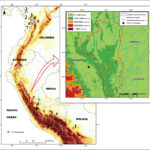
Endemic to a narrow, specialized cloud forest region along Ecuador’s Pacific slope, primarily concentrated within and around the Reserva Buenaventura, this species inhabits a carefully balanced ecosystem characterized by high humidity, moderate temperatures, and dense vegetation. Elevation plays a key role here, with these frogs found primarily between 700 and 1,500 meters above sea level.
Habitat Preferences and Environmental Adaptations#
Buenaventura Glass Frogs display highly specialized habitat preferences. They gravitate toward pristine, dense vegetation extending along streams and smaller tributaries. These ephemeral watercourses serve crucial functions for reproductive success, with frogs laying eggs on the undersides of leaves that hang delicately over slowly trickling streams, safeguarding their offspring from predators and competition.
The intricate relationship between frog and forest is vivid. The ferns, broad leaves, moss-draped branches, and gentle streams sustain this delicate species, underscoring the immediate necessity of preserving Ecuador’s shrinking cloud forests. It’s an immersive world, filled with ambient sounds—dripping water, chattering insects, and gentle croaks that seem to melt seamlessly into the night air.
Physical Characteristics: Transparency and Beyond#
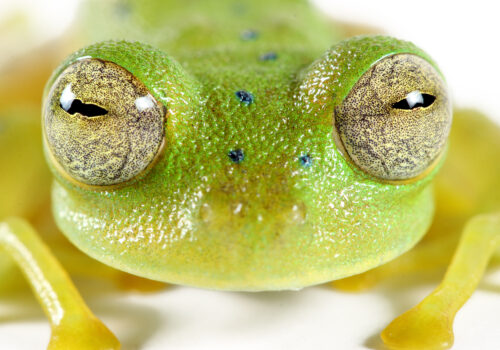
The Buenaventura Glass Frog measures between 20–23 millimeters from snout to vent—diminutive yet alluring. Their emerald-green back, dotted with occasional pale-yellow flecks, aids camouflage in the verdant foliage. But their most extraordinary characteristic undoubtedly lies in the transparent skin on their undersides, through which intricate webs of veins and internal organs—including the beating heart—can clearly be seen, a true testament to nature’s ingenuity.
This transparency is not a mere biological curiosity. It serves as an extraordinary strategy for protection. When perched immobile on leaves, especially under moonlight or scattered sunlight, their bodies blend almost seamlessly, reducing visibility to predators from above and below. Soft pads on their webbed toes enable agile movement across slick leaves and branches without disturbing their hidden presence in the foliage.
Behavior and Life Cycle: Eternal Vigilance in the Canopy#
Feeding Habits and Predatory Tactics#
Primarily nocturnal and arboreal, Nymphargus buenaventura spends the daylight hours hidden in vegetation, venturing forth after sunset into a realm of insects and small invertebrates. Their diet primarily comprises ants, small beetles, flies, and mites. Beneath the stars, the glass frog adopts a patient, silent ambush strategy—motionless, watching keenly with large, gold-flecked eyes until prey wanders close enough to snatch with precise, rapid motions.
The Intricate Dance of Courtship and Reproduction#
With nightfall also comes the chorus of courtship. Male frogs sing soft, distinctive calls from strategically selected leaves suspended above gentle streams, serenading potential mates. Once a female selects her partner, the two engage in a delicate yet rapid mating process. The female carefully deposits clusters of eggs, adhering them meticulously to leaves, while the male fertilizes these clusters externally.
Unique parental care is witnessed in Buenaventura Glass Frogs, particularly from males who exhibit vigilance unmatched among amphibians. Fathers guard their offspring diligently, defending eggs from predators and occasionally moistening them against dehydration. Approximately two weeks later, tadpoles hatch and drop gently into the flowing streams below to complete their remarkable metamorphosis into miniature adults.
Ecological Role: Custodian of Forest Health#
The Buenaventura Glass Frog exemplifies intricate ecological connectivity. As both predator and prey, it maintains particular insect populations, preventing imbalances. Moreover, its presence indicates a healthy, balanced ecosystem, making it an essential bioindicator species whose decline would signify larger environmental disturbances.
Birds, snakes, spiders, and various mammals prey upon these delicate amphibians, marking the frog as central in the rainforest food web. This interconnectedness emphasizes the cascading consequences if such a species disappears, potentially destabilizing ecological harmony in subtle yet serious ways.
Threats and Conservation Status: A Species on the Brink#
Currently listed by the International Union for Conservation of Nature (IUCN) as Endangered, Nymphargus buenaventura faces pressing threats driven primarily by habitat loss, fragmentation, and climate change. Expanding agriculture, logging, and infrastructure projects have led to isolated forest patches where gene flow and survival viability are increasingly limited.
Pollution and introduced diseases, such as chytridiomycosis, pose additional layers of threat. Amphibians worldwide have been decimated by this fungal pathogen, making proactive conservation efforts more critical than ever. Within Ecuador, dedicated conservation programs foster habitat restoration, protection of stream corridors, and community engagement aimed at mitigating threats.
Cultural and Scientific Significance: Unveiling Nature’s Mysteries#
Local folklore occasionally references the Buenaventura Glass Frog as a spirit messenger of the cloud forest, symbolizing purity and balance. Scientifically, their transparent physiology provides unique research avenues in fields ranging from developmental biology to environmental toxicology, affording insight into how ecosystem health directly impacts wildlife.
Conclusion: Shaping the Future of Nymphargus Buenaventura#
The story of Nymphargus buenaventura weaves itself naturally into the greater narrative of ecosystem health, biodiversity preservation, and cultural heritage. Its gentle presence amongst the mist-covered Ecuadorian canopy offers a silent call to action: preserve, restore, and respect our natural world.
There is still much to learn about this extraordinary frog and the rich environment that sustains it. By championing conservation efforts, raising awareness, and investing in research, we have the power to ensure that the exquisite Buenaventura Glass Frog continues to thrive, symbolizing hope and harmony within Ecuador’s vanishing cloud forests.
Together, we can secure a future in which this remarkable amphibian continues to enchant, educate, and inspire future generations. Let us cherish and protect the fragile beauty of Nymphargus buenaventura, ensuring its pale, luminous calls continue echoing softly throughout Ecuador’s hidden cloud forests.