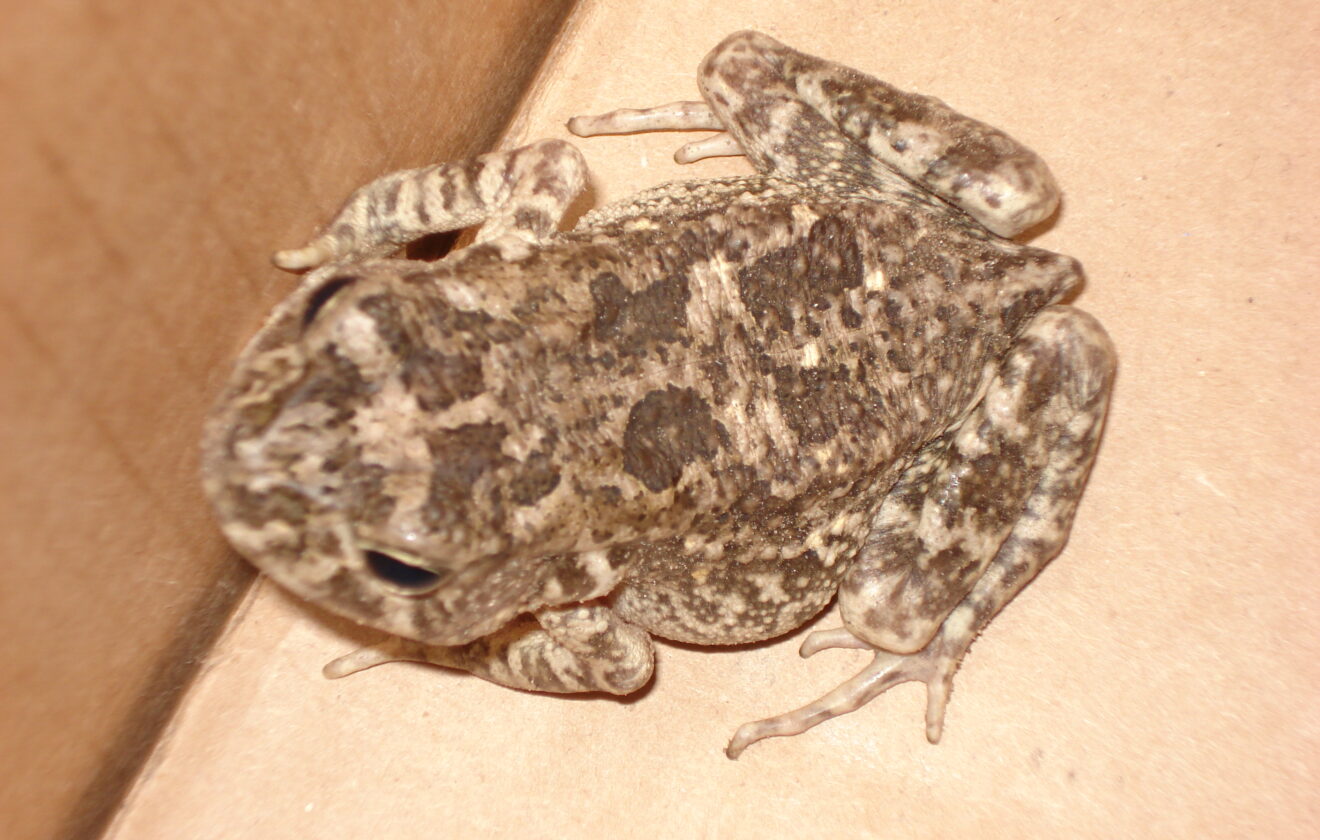
Sclerophrys maculata: Unveiling the Fascinating Life of Africa’s Spotted Toad#
Amid the lush grasses of sub-Saharan savannas and the cool shadows cast by acacias, a hardy amphibian thrives unnoticed by many. With its subtly patterned skin and unassuming presence, the Spotted Toad—known scientifically as Sclerophrys maculata—may easily slip beneath the radar of casual observers. Yet, beneath its modest demeanor lies an intriguing amphibian whose resilience and adaptability hold countless secrets integral to understanding our natural world.
Unlike charismatic megafauna, such as lions or elephants, our amphibian protagonist may seem humble, yet Sclerophrys maculata plays a crucial ecological role, supporting food webs and indicating the environmental health of its habitat. So join us as we journey into the captivating life, behaviors, and conservation significance of this remarkable amphibian.
Taxonomy and Classification#
Sclerophrys maculata, first described by herpetologists Hallowell and Steindachner in 1864, belongs to the family Bufonidae, commonly referred to as true toads. This expansive family encompasses diverse toad species distributed around the globe, notably recognized for their dry, warty skin and prominent parotoid glands, which are adapted for secreting defensive toxins.
Within the genus Sclerophrys, often still listed by some classifications as Amietophrynus, approximately forty recognized species occur predominantly across the African continent. Sclerophrys maculata shares close kinship with species such as Sclerophrys regularis, and the two species can occasionally be confused due to overlap in habitats and similar physical characteristics; however, careful examination reveals subtle distinctions in morphology and geographic distribution.
Natural Habitat and Geographic Range#
The spotted toad proudly claims an expansive geographical domain across sub-Saharan Africa. Stretching from Senegal and the Gambia eastward through savannas and grasslands towards Ethiopia and southwards toward Angola, Zambia, Mozambique, and Zimbabwe, this persistent amphibian demonstrates remarkable adaptability.
Its preferred sanctuaries include open savanna grasslands, moist shrublands, agricultural lands, suburban gardens, and occasionally, forest margins and wetlands. Unlike highly specialized amphibians that require specific habitats, Sclerophrys maculata readily flourishes in disturbed environments and alongside human settlements, illustrating an impressive degree of ecological adaptability.
The lush landscapes punctuated by temporary rain puddles and slow-moving wetlands play a critical role in the breeding cycles of this species. Temporary water bodies, triggered by the rainy seasons, are crucial breeding grounds where adults meet in chorus, engage in courtship behaviors, and lay their strings of eggs, beginning the next generation’s remarkable journey.
Physical Characteristics#
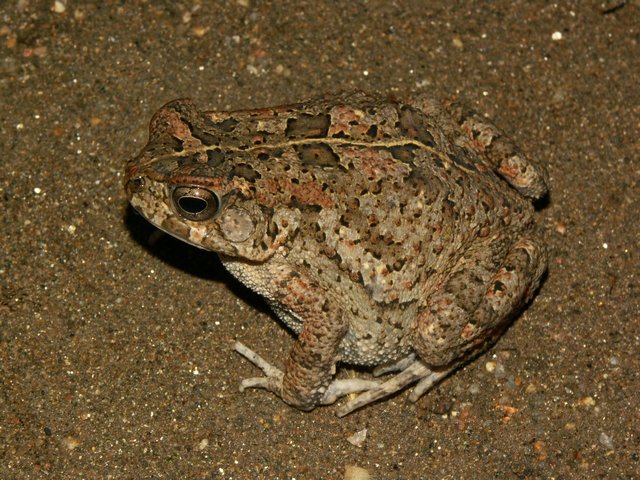
At first glance, Sclerophrys maculata showcases an archetypal true-toad appearance: robust, sturdily built bodies averaging between 5 to 9 centimeters, sporting short limbs adapted more for crawling and short hops than long jumps. Its thick, granular, and wart-covered skin sets it apart from smooth-skinned frogs, providing favorable adaptations for terrestrial life, especially in semi-arid environments.
A distinctive spotted or speckled pattern adorns its dorsal surface, displaying earthy tones of olive-brown, tan, and grayish hues, enhanced by irregular blotches that blend seamlessly into grass and leaf litter. This camouflage proves indispensable, offering protection against a multitude of natural predators, including snakes, birds, and nocturnal carnivores.
Behind the eyes, pronounced elongate parotoid glands contribute significantly to its defenses. These glands secrete a mildly toxic substance as a deterrent against would-be predators, making the Spotted Toad an unpleasant meal choice.
Behavior and Life Cycle#
Feeding Habits and Diet#
As dusk settles and nocturnal creatures emerge, the spotted toad leaves its daytime retreats beneath logs, leaves, and stones to feed. Its diet is largely insectivorous, preying primarily upon beetles, termites, ants, earwigs, and other small invertebrates. Silent, patient, and precise, they are opportunistic feeders, consuming a variety of prey depending on availability as seasons change.
Breeding Rituals and Reproduction#
The breeding season for Sclerophrys maculata typically aligns with rainy periods, when temporary pools form and humidity increases. During this time, males emerge first, attracting females through choruses of resonant calls, composed of rhythmic pulses audible at night. The nocturnal chorus results in an aesthetic cacophony, filling evenings with characteristic trills and croaks integral to the savanna’s acoustic landscape.
Once a female approaches, the male engages in amplexus—the mating embrace—and fertilizes eggs as she releases them into the water. The eggs, laid in gelatinous strings, soon hatch into tadpoles, initiating a rapid developmental journey timed to their seasonal pools. The urgency of development is crucial since temporary ponds often dry rapidly. A few short weeks later, these aquatic larvae metamorphose into terrestrial juveniles, readily adapted to withstand the arid terrestrial environment as their ancestors once did.
Ecological Role#
Though relatively inconspicuous, spotted toads function prominently in the ecological balance of their environments. As insectivorous amphibians, they are instrumental in regulating local insect populations, providing invaluable pest control that benefits agriculture, human health, and ecosystem stability.
As prey items, they fulfill another critical niche—offering sustenance to an array of larger predators. Snakes, mammals, larger frogs, and birds of prey all incorporate Sclerophrys maculata into their diets, emphasizing this species’ importance in food webs across sub-Saharan Africa.
Additionally, amphibians like the spotted toad serve as bioindicators, with their permeable skins signaling the overall environmental health of terrestrial and aquatic habitats. Any drastic population changes can warn conservationists of underlying ecological distress.
Threats and Conservation Status#
Due to widespread distribution and tolerance towards a variety of habitats, Sclerophrys maculata currently sustains populations sufficiently robust to be classified by the International Union for Conservation of Nature (IUCN) as Least Concern. However, this classification does not preclude concern over emerging threats.
Ongoing habitat disturbance and fragmentation, particularly rapid urbanization, agriculture intensification, use of pesticides, and pollution of breeding waters, remain constant stresses. Furthermore, climate change assigned dramatic rainfall pattern shifts may disrupt specialized reproductive timing and breeding pool availability, critically impacting population stability long-term.
Thus, continued monitoring and integration into ongoing ecological research are vital despite the current significant abundance of the species.
Cultural and Scientific Significance#
Though absent from mainstream cultural symbolism compared to larger fauna, amphibians like the spotted toad hold regional significance in traditional belief systems across Africa. Often respected or feared due to their association with rain, fertility, or medicinal symbolism, amphibians like Sclerophrys maculata have featured historically in folklore narratives and spiritual symbolism across local communities.
Scientifically, the species continues to interest researchers with its adaptive resilience. Investigations into its toxin properties could potentially reveal new insights into pharmacological compounds. Its reproductive cycle adaptations to ephemeral water habitats also assist scientists in modeling ecological resilience, offering applicable insights into strategies adopted by species inhabiting increasingly changing and unpredictable environments.
Conclusion: Preserving Africa’s diminutive guardian#
The spotted toad, Sclerophrys maculata, adeptly bridges diverse ecosystems throughout sub-Saharan Africa, functioning silently but significantly in ecological balances, insect control, and environmental health indicators. Its resilience, though commendable, must never render complacency in conservation efforts. As we advance towards an era increasingly shaped by anthropogenic pressures, appreciation and proactive approaches towards seemingly inconspicuous species heighten our broader understanding and preservation of biodiversity.
As nature enthusiasts, students, and conservationists, one of the most vital actions we can undertake is appreciating and advocating for these small, sometimes overlooked inhabitants of our natural world. Let the robust yet graceful spotted toad symbolize our commitment to maintaining the rich mosaic of biodiversity for generations to come—inviting us all to speak louder for those who communicate softly through silent amphibian choruses.