- Sclerophrys gutturalis: The Fascinating Story of Africa’s Guttural Toad
- Taxonomy and Classification: Understanding the Guttural Toad's Family Tree
- Natural Habitat: Vast and Varied Landscapes of Sub-Saharan Africa
- Physical Characteristics: Mastering Survival Through Design
- Behavior and Life Cycle: A Symphony of Sound and Life
- Ecological Role: Guardians of a Delicate Balance
- Threats and Conservation Status: Present-day Challenges
- Cultural and Scientific Significance: Beyond Biology
- Conclusion: Celebrating and Conserving Africa’s Remarkable Guttural Toad
Sclerophrys gutturalis: The Fascinating Story of Africa’s Guttural Toad#
In the evening twilight of subtropical Africa, just as shadows lengthen and daylight fades into a silken dusk, pools and wetlands resonate with a chorus of deep, melodious croaks. This resonant symphony emanates primarily from one particularly noteworthy and resilient species: the guttural toad, scientifically identified as Sclerophrys gutturalis. A steadfast fixture of African wetlands and grasslands, Sclerophrys gutturalis is easily recognizable by its distinctive call—a unique, sonorous sound that evokes images of warm, humid nights and lush, verdant landscapes.
Though commonly referred to as a “frog,” Sclerophrys gutturalis is scientifically a true toad in the family Bufonidae, a hardy group famous for their dry, rough skin and robust adaptability. Known commonly as the guttural toad, this extraordinary amphibian captures both our imagination and scientific curiosity alike. It thrives across varied habitats, from populated urban gardens to untouched wilderness, providing indications of environmental health and shedding a fascinating light on amphibian resilience and adaptation.
Taxonomy and Classification: Understanding the Guttural Toad’s Family Tree#
To appreciate the guttural toad in depth, we first delve into its taxonomic context. Sclerophrys gutturalis belongs to the kingdom Animalia, phylum Chordata, and class Amphibia—placing it among adaptable, moisture-dependent creatures with sensitive, permeable skins vital to their respiration and environmental sensing.
In the broader amphibian family tree, Toes and frogs collectively constitute the order Anura. Within this large grouping, our spotlight shines particularly on the family Bufonidae, colloquially known as true toads. Members of this family generally exhibit terrestrial adaptations, exhibiting drier skins, parotoid glands secreting defensive toxins, and the ability to thrive in less moisture-intensive habitats than many cousins in the Anura order.
Previously classified under the broader genus Bufo, the guttural toad enjoyed a taxonomic reassignment to the genus Sclerophrys following intensive genetic studies, which led to the elucidation of clearer evolutionary relationships among the true toads. Today, the scientific community recognizes it officially as Sclerophrys gutturalis, affirming its unique evolutionary lineage distinct from those toads residing in parallel ecological niches.
Natural Habitat: Vast and Varied Landscapes of Sub-Saharan Africa#
The guttural toad’s success stems from its incredible adaptability. Primarily native to sub-Saharan Africa, the guttural toad ranges broadly across southern and eastern regions, flourishing particularly in countries such as Kenya, Tanzania, Mozambique, Zimbabwe, Botswana, Namibia, and South Africa. Beyond naturally occurring habitats, it has also shown adaptive resilience, thriving even in urban yards and municipal parks across cities like Johannesburg and Cape Town.
These adaptable amphibians prefer humid, vegetated environments suitable for shelter, feeding, and breeding activities. Common locations include riverbanks, ponds, swamps, marshes, savannah grasslands, and woodlands. Interestingly, guttural toads are resilient enough to withstand considerable human disturbance, often colonizing areas close to human settlements—one of few amphibian species that seems to tolerate, sometimes even thrive, amidst urbanized surroundings.
However, the guttural toad’s adaptability is not limitless; seasonal rainfall significantly influences reproduction patterns and geographic distribution. Rains cue them to awaken from drier-season dormancy and begin intensive breeding activities, often congregating en masse in spawning sites, when countless individuals gather in watery arenas, filling the air with their characteristic guttural calls, which echo vibrantly across wetlands, heralding abundant renewal.
Physical Characteristics: Mastering Survival Through Design#
At first glance, guttural toads may appear rather unassuming. Medium-sized, an adult ranges typically between 7 to 12 centimeters, with females usually slightly larger than males—a common trait among amphibians, highlighting the egg-retention or reproductive advantage in larger females.
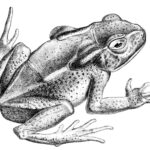
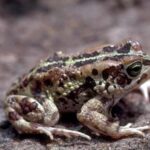
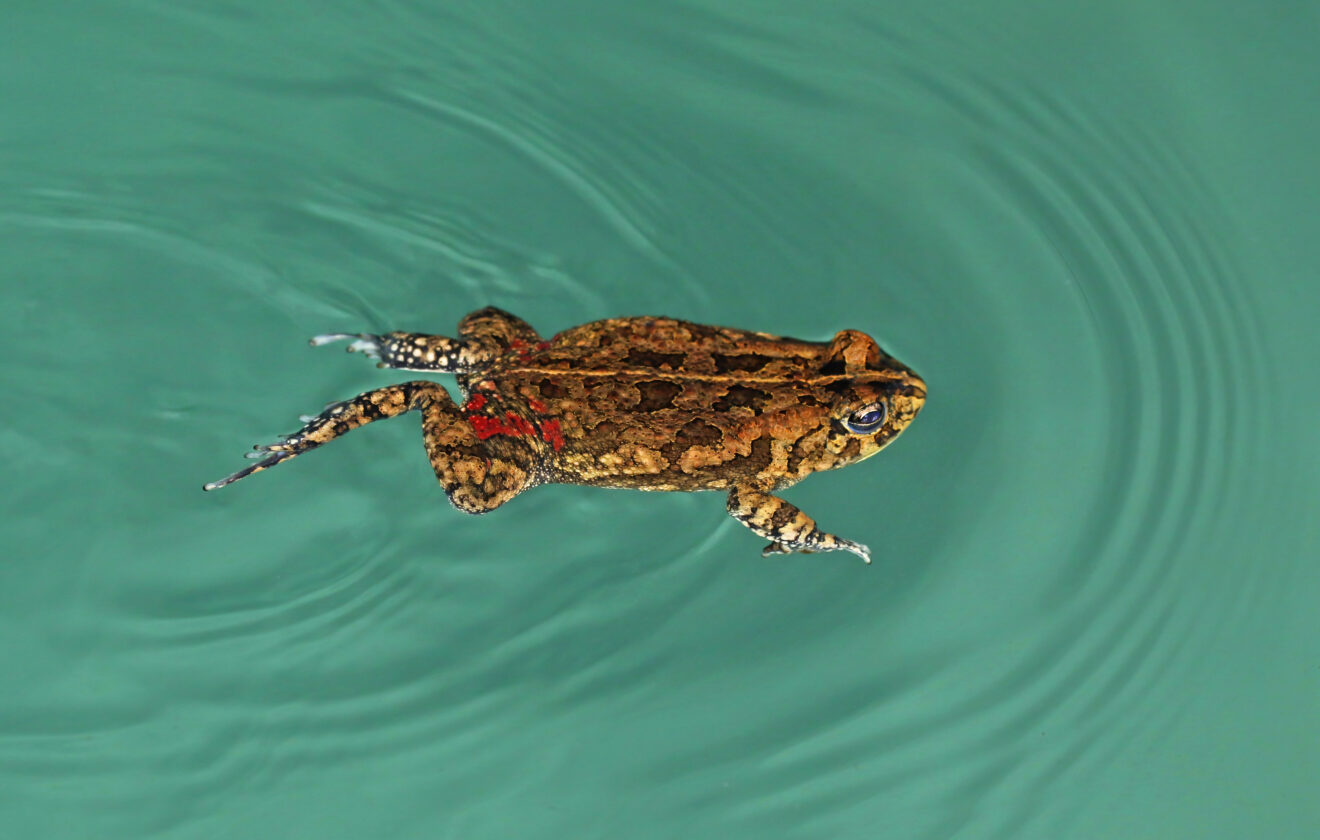
Perhaps its most recognizable physical characteristic is its robust, somewhat squat body and distinctive rough, warty skin texture. Skin pigmentation commonly displays hues ranging from mottled shades of olive brown to muted greys or ochre. This textured skin not only aids in camouflage across leafy or rocky substrates, rendering predators’ identification challenging at first glance, but also provides vital protection against environmental exposure.
The guttural toad’s most defining feature, however, is the prominently visible parotoid glands situated immediately behind its expressive, golden-ringed eyes. These glands produce a potent, milky toxin that discourages predation, deterring curious predators like rodents, snakes, and birds. Supporting this protective adaptation are short, sturdy legs designed for confident terrestrial navigation rather than high-powered jumping. Its feet showcase reduced webbing, another direct reflection of a lifestyle predominantly spent shuffling expertly across land rather than swimming extensively.
Behavior and Life Cycle: A Symphony of Sound and Life#
Breeding Behaviors and Calls#
As dusk deepens into night, guttural toads engage in a spectacular display of vocal courtship. Males congregate by bodies of water—shallow pools or temporary ponds created by seasonal rains—bellowing forth deep, resonant croaks that resonate like rhythmic brass instruments performing a nightly symphony. Each male’s call serves both to attract potential mates and establish dominance or territorial boundaries. Larger, older males with more powerful calls often monopolize breeding pools and attract more females.
From Eggs to Tadpoles and Beyond#
Upon successful courtship, females deposit hundreds of eggs, often laid as long gelatinous strings drifting gently in quiet waters. Within days, larvae hatch, tiny tadpoles initially dependent entirely on aquatic environments. Feeding on algae, plankton, and detritus, these tadpoles go through dramatic metamorphosis over weeks, eventually sprouting legs, absorbing tails, and transitioning onto terrestrial substrates as fully functional toadlets.
Young guttural toads soon disperse widely, ready to begin developing habitats of their own—a spectacular, continuous wheel of life unfolding across every wet season, perpetuating resilient amphibian communities that enrich ecosystems for generations.
Ecological Role: Guardians of a Delicate Balance#
Guttural toads represent keystone organisms in ecosystems they inhabit. Feeding primarily on insects and small invertebrates, they effectively serve as nature’s critical pest control agents, ensuring balanced ecosystems. They readily prey upon common pest insects—including mosquitoes, ants, and beetles—helping control populations potentially harmful to human health and agriculture.
Conversely, toads themselves are prey to various predators; their eggs are commonly targeted by aquatic insects, fish, and dragonfly larvae, while their terrestrial presence supports birds and snakes. Thus, guttural toads anchor complex food webs connecting many ecological strands into one cohesive system.
Threats and Conservation Status: Present-day Challenges#
Despite their remarkable resilience, guttural toads face significant environmental pressure points, including habitat reduction, landscape fragmentation from development, agricultural pesticide use, pollution, climate-adaptive stressors, and occasionally, the introduction into non-native habitats leading to challenges from invasive status criteria.
Currently assessed by The International Union for Conservation of Nature (IUCN) as “Least Concern,” their abundant populations across natural ranges offer gentle reassurance. However, this optimistic rating masks the growing risks unearthed by recent research; amphibians globally stand vulnerable to emergent diseases such as chytridiomycosis, climate change that disturbs breeding cycles, and habitat encroachment. Awareness and monitoring programs remain essential to ensure guttural toads continue thriving amid shifting ecological dynamics.
Cultural and Scientific Significance: Beyond Biology#
Throughout their consistent coexistence with people, guttural toads have occupied cultural niches, appearing in traditional African stories symbolizing fertility, renewal, rain’s abundant blessings, or bringing luck. Scientifically, their characteristics closely link to important research endeavors studying amphibian adaptations, biodiversity resilience amidst urbanization, and biomonitoring environmental pollution—allowing scientists a clear picture of ecological change.
Conclusion: Celebrating and Conserving Africa’s Remarkable Guttural Toad#
The guttural toad exemplifies nature’s stunning resilience and intricate ecological relationships. As stewards of our natural world, appreciating wildlife like Sclerophrys gutturalis beyond mere curiosity allows better insight into ecological health, conservation priorities, and shared responsibilities. We encourage you to learn more, lend your voice, and support conservation initiatives that ensure guttural toads—and countless other species—endure vibrant existences, enriching African ecosystems well into the future.