Sclerophrys dodsoni: The Enigmatic Savanna Toad of Eastern Africa#
In the golden-hued grasslands and woodland fringes of Eastern Africa, a modest yet captivating amphibian thrives quietly beneath the notice of many: the Dodson’s Toad (Sclerophrys dodsoni). Within this resilient little amphibian’s subtle coloration and secretive behavior lies a fascinating tale of adaptation, ecological prowess, and survival amid ever-changing environments. Often overshadowed by more flamboyant tropical frogs, the humble Sclerophrys dodsoni embodies nature’s quiet tenacity and mirrors the delicate balance of life in East Africa’s savanna and woodland ecosystems.
With its intricate camouflage and shy demeanor, this unassuming amphibian often escapes observation, yet its very presence indicates the health and well-being of its habitats. To understand the world of Sclerophrys dodsoni is to immerse oneself in a fascinating exploration of biology, behavior, and conservation, shining a welcome spotlight on a species that truly exemplifies evolutionary resilience.
Taxonomy and Classification#
Sclerophrys dodsoni, commonly termed Dodson’s Toad, is categorized scientifically within the animal kingdom as follows:
- Kingdom: Animalia
- Phylum: Chordata
- Class: Amphibia
- Order: Anura
- Family: Bufonidae
- Genus: Sclerophrys
- Species: Sclerophrys dodsoni
Originally categorized within the genus Bufo, recent phylogenetic studies led scientists to revise this group’s taxonomy, assigning Dodson’s Toad to the genus Sclerophrys, along with its fellow African relatives. The Bufonidae, or “true toads”, includes species broadly adapted to numerous habitats worldwide, emphasizing the evolutionary versatility of this family and its representatives.
The species name, dodsoni, honors the collector and explorer Captain Edward Dodson, whose explorations contributed vitally to zoological knowledge in East Africa in the late 19th and early 20th centuries.
Natural Habitat#
Dodson’s Toad predominantly inhabits regions across Eastern Africa, favoring arid-to-semiarid savannas, dry woodlands, and grassy landscapes marked by seasonal rainfall. Countries within its distribution include Kenya, Somalia, Ethiopia, southern Sudan, Uganda, and Tanzania, stretching into Uganda’s northern territories. These areas, characterized by intermittent precipitation and pronounced dry seasons, offer habitats dotted with ephemeral wetlands and temporary pools—perfect expanses for an amphibian coping expertly with climatic extremes.
The intrinsic beauty of its habitat lies in the subtle changes occurring through the seasons. Following rains, seemingly lifeless tracts erupt overnight into vibrant greens. Temporary water bodies teem suddenly with life: frogs calling from newly formed banks, dragonfly larvae emerging, and myriad insects multiplying swiftly. It is precisely within this short-lived aquatic sanctuary that the lifecycle of Sclerophrys dodsoni thrives, brilliantly adapted for fleeting wet seasons and extended drought.
Physical Characteristics#
Dodson’s Toad is a small to medium-sized amphibian, typically reaching lengths from 4 to 6 centimeters. Though unassuming in size, its physical attributes intricately reflect thousands of years of evolutionary adaptation to a highly variable environment.
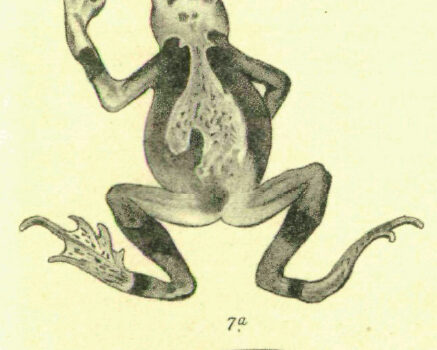
The skin of Sclerophrys dodsoni bears a rough texture, scattered with prominent warts and tubercles, affording it exceptional camouflage amidst dry leaf litter, rocky terrain, and twisted vegetation. Its color palette ranges significantly, encompassing earthy browns, sandy tans, subtle ochres, and muted grays—shades naturally aligned with its surroundings. These neutral colors and cryptic color pattern effectively mask the toad within rocky crevices and shadow-strewn grass tussocks. Occasionally, individuals display distinctly darker markings along their backs, enhancing their concealing effect in dappled sunlight.
The robust hind legs hint at proficiency in short, effective leaps and quick dashes vital when evading predators. Meanwhile, widely spaced, expressive eyes feature horizontal pupils, allowing efficient nocturnal foraging for insects and other small prey under moonlit skies.
Behavior and Life Cycle#
Dodson’s Toad lives a primarily nocturnal and crepuscular existence, seeking refuge beneath the scorched earth, shaded vegetation, or rocky shelters by day to conserve moisture and evade predators. At dusk, their activity commences, becoming active hunters adept at ambushing ants, beetles, termites, and other small arthropods.
Mating and Breeding Behavior#
Romantic serenades punctuate seasonal rains, as males congregate along ephemeral aquatic habitats, releasing gentle, trilling calls that form a melodious chorus echoing into East Africa’s warm nights. These nocturnal symphonies draw females from their terrestrial hideaways into temporary pools, initiating the species’ reproductive rites.
Female toads deposit gel-covered egg strings submerged in shallow, transient pools, where tadpoles swiftly emerge, developing rapidly in response to the pool’s inevitable evaporation. Tightly synchronized with available water, tadpoles exhibit incredible developmental speed, metamorphosing into miniature toadlets capable of terrestrial life within mere weeks.
Ecological Role#
Residing amid unpredictable rainfall and seasonal droughts, Dodson’s Toad exemplifies nature’s adaptability. Their presence contributes significantly throughout intricate food webs: they regulate vital insect populations and, simultaneously, serve as prey for birds, snakes, small mammals, and predatory arthropods. As native amphibians, they act as invaluable ecological indicators; their population health reflects nuanced clues surrounding ecosystem sustainability, climatic patterns, water availability, and habitat integrity.
Moreover, in their commitment to rapid reproduction during brief rainy periods, they sustain countless microorganisms, algae, and freshwater creatures in temporary ecosystems, indirectly enriching soil fertility once waters recede.
Threats and Conservation Status#
Although currently listed as a species of “Least Concern” by the International Union for Conservation of Nature (IUCN), this designation provides no immunity from escalating environmental pressures and anthropogenic impacts. This resilient species faces increasingly frequent threats via habitat transformation, drainage of ephemeral pools for agriculture, pesticide contamination from farming practices, and escalating regional patterns of drought and climate change.
Landscape fragmentations, deforestation, overgrazing by livestock, and intensified aridity exacerbate challenges faced within the already harsh East African ecosystems. For now, Dodson’s Toad remains adaptable; however, future conservation must prioritize landscapes integral to their lifecycles, including wetlands protection, sensitive water conservation strategies, and informed agricultural practices that reduce pesticides and contaminants.
Cultural and Scientific Significance#
Historically, African cultures often viewed amphibians as essential, revered symbols of fertility, rainfall, and renewal—a fitting parallel to this remarkable little species flourishing only when gifting rain emerges. Beyond symbolism, these toads have prompted scientific interest due to their remarkable resiliency, rapid development, and ecological ingenuity. Studies focused on these amphibians continue to illuminate how species might adapt to climate instability, fluctuating rainfall, and human-altered landscapes—data instrumental in habitat restoration and managing fragile ecosystems elsewhere.
Conclusion: Guardians of a Dynamic Ecosystem#
Ultimately, the quiet and largely inconspicuous Dodson’s Toad (Sclerophrys dodsoni) represents a profound symbol of ecological resilience within the challenging landscapes of Eastern Africa. Its very survival illustrates nature’s adaptability to fluctuating environments while reminding us of our stewardship responsibilities. We encourage readers, naturalists, and conservationists alike to champion initiatives safeguarding their ephemeral habitats and appreciate the understated brilliance of this unique amphibian.
Through your recognition and support, we not only ensure the longevity of Dodson’s Toad but protect countless other organisms reliant upon healthy, sustainably managed ecosystems. Let the quiet chorus of Sclerophrys dodsoni serve as our reminder: We share our planet with hidden lives worthy of protection, reverence, and discovery—ecosystem caretakers that continually inspire our conservation efforts.