- Sclerophrys kassasii: Unveiling the Secrets of a Remarkable African Amphibian
- Taxonomy and Classification
- Natural Habitat: A Fragile Sanctuary
- Physical Characteristics: Anatomy Crafted for Survival
- Behavior and Life Cycle: Embracing the Rhythm of Nature
- Ecological Role: Preserving Balance within the Oasis Ecosystem
- Threats and Conservation Status: Safeguarding Kassas’s Legacy
- Cultural and Scientific Significance: Unraveling Mysteries for the Greater Good
- Conclusion: Standing Together for Sclerophrys kassasii
Sclerophrys kassasii: Unveiling the Secrets of a Remarkable African Amphibian#
Hidden amid lush vegetation and echoing the gentle symphony of nocturnal sounds beneath starry African skies, lives the enigmatic Sclerophrys kassasii—an amphibian whose quiet existence whispers mysteries scientists are only beginning to unravel. Known commonly as Kassas’s Toad, this charismatic and relatively lesser-known species invites us on an extraordinary exploration into the heart of its natural habitat, behavior, ecology, and conservation story. While amphibians around the globe grapple with an onslaught of environmental threats, understanding and sharing the narrative of creatures like Sclerophrys kassasii becomes crucial in safeguarding both their delicate lives and the intricate ecosystems they sustain.
Taxonomy and Classification#
Sclerophrys kassasii belongs to the Bufonidae family, a diverse and widespread family known colloquially as true toads. Initially classified under the genus Bufo, recent taxonomic advances have recategorized it under the genus Sclerophrys—reflecting greater understanding gained through genetic research and clade analyses. Hence, it bears the full scientific nomenclature Sclerophrys kassasii.
The Bufonidae are renowned for their incredible adaptability, inhabiting diverse ecological niches across continents, from dense tropical forests to arid deserts. Closely related species include the familiar African Giant Toad (Sclerophrys regularis) and the Red Toad (Sclerophrys maculata). Yet what sets Sclerophrys kassasii distinctly apart is its unique adaptive story intricately woven into its habitat and lifestyle.
Natural Habitat: A Fragile Sanctuary#
Sclerophrys kassasii calls the richly vegetated and ecologically vibrant regions of northeastern Africa its home. Specifically, this species is endemic to certain areas in Egypt’s Nile Valley and possibly extends across isolated pockets in Sudan. It is intrinsically tied to oases and fertile, freshwater-rich ecosystems along the Nile, thriving in habitats characterized by rich, moist soils, abundant leaf litter, and shaded vegetation that offer both sustenance and protection. The survival of Kassas’s Toad intricately depends on these micro-habitats, carefully balanced ecosystems formed where groundwater seeps and freshwater marshes interconnect with surrounding terrestrial habitats.
Within this lush refuge, the species prefers shaded, humid environments beneath dense canopies provided by native vegetation, such as Panicum grasses, reeds, papyrus clusters, and numerous shrub varieties growing along the watery margins. This choice habitat not only grants protection from predators but also harbors abundant invertebrates—the vital nourishment sustaining the toad’s dietary needs.
It is this uniquely restricted habitat preference that both grants it a sense of mystery and places it squarely into the realm of conservation concern—as its delicate, oasis-dependent ecosystems are particularly susceptible to human-driven environmental changes and habitat encroachment.
Physical Characteristics: Anatomy Crafted for Survival#
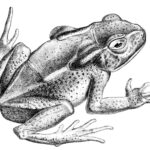
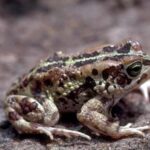
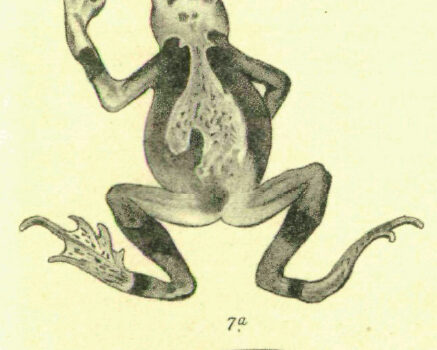
This intriguing species displays a relatively small, robust frame, typically measuring between 4 and 7 centimeters in length. Its compact structure is complemented by a granular-textured skin, dotted with numerous small, wart-like protrusions characteristic of many true toads within the family Bufonidae. These granular components not only provide this toad excellent camouflage within leaf litter but also serve as deterrents against predators by secreting mild toxins when threatened.
The body coloration of Sclerophrys kassasii is a breathtaking tapestry of earthy tones, with shades of olive, brown, tan, and occasional reddish hues seamlessly blending with the soil and leaf-based backdrop of their habitats. Distinctive dark markings cover its dorsal surfaces, enhancing concealment among leaf litter, particularly during daytime inactivity periods, and enabling it to avoid detection by nocturnal predators or passing visually-oriented birds by day.
Eyes are prominently positioned and feature horizontal pupils, providing outstanding nighttime vision optimized for hunting in the dim light conditions of their nocturnal lives. Strong muscular hind legs, though not as powerful in leaping as some tree-dwelling species, nonetheless enable agile, short-distance leaps through dense vegetation and over uneven terrain.
Behavior and Life Cycle: Embracing the Rhythm of Nature#
Nocturnal Explorers of a Hidden World#
As daylight fades into twilight’s gentle embrace, Sclerophrys kassasii awakens from its daytime retreat beneath forest debris and moves silently into the cover of darkness. Embracing a purely nocturnal lifestyle, these toads begin their nightly forays in pursuit of food. Their preferred prey consists primarily of terrestrial invertebrates—ants, beetles, spiders, and earthworms—perfectly abundant throughout their lush habitat.
Employing a sit-and-wait hunting strategy, individual toads station themselves concealed amidst the wet foliage, leaf litter, or along trails frequented by insect activity. They patiently await the slightest movement within striking distance, efficiently capturing prey with their agile tongues. This practical, energy-efficient strategy allows these toads to harness the abundance of their habitat with minimal energy expenditure.
Seasonal Cycles and Breeding Rituals#
During periods of increased humidity, particularly after seasonal rains, males venture into shallow pools or temporary ponds to vocalize melodious yet understated breeding calls. These resonant vocalizations fill the air with gentle chorus, drawing females toward established water bodies and indicating suitable breeding locations. Courtship culminates in amplexus, the embrace through which fertilization occurs externally as females lay long strings of gelatinous eggs.
Egg development progresses rapidly in favorable conditions, and soon thousands of tiny tadpoles emerge, transitioning to independent living within the freshwater ponds. Laboratory studies indicate they develop remarkably quickly, their tadpole stage lasting mere weeks. By the first rains following metamorphosis, juvenile toads have fully emerged onto land, taking shelter among damp vegetation, where they will mature throughout the following months.
Ecological Role: Preserving Balance within the Oasis Ecosystem#
Sclerophrys kassasii occupies an essential role in its local ecosystem, primarily through its dietary habits. By preying heavily upon insects, spiders, and other ground-dwelling invertebrates, Kassas’s Toad maintains vital ecological balance by controlling potentially destructive insect populations that may negatively impact vegetation or spread disease.
Simultaneously, the toads themselves serve as prey items for larger birds, snakes, small carnivorous mammals, and occasional aquatic predators. Through this dual role within the food web, they sustain the diversity and equilibrium of a delicately interconnected ecological tapestry—a tapestry as fragile as it is beautiful, echoing the intricate realities of tiny ecosystems upon which larger, regional biodiversity depends.
Threats and Conservation Status: Safeguarding Kassas’s Legacy#
The International Union for Conservation of Nature (IUCN) currently categorizes Sclerophrys kassasii as Data Deficient, suggesting that although evidence of localized population declines exist, substantial gaps in knowledge remain. Undoubtedly, localized habitat degradation due to expanding agricultural development, water pollution from agrochemical runoff, and significant climate variability affecting rainfall patterns negatively impact the species’ survival.
Additionally, global amphibian fungal diseases like chytridiomycosis pose new risks, though the specific vulnerability of Sclerophrys kassasii remains insufficiently studied. Ongoing scientific exploration coupled with crafted conservation practices remains essential beyond mere protection measure implementation—aiming for informed, sustainable coexistence strategies among local human communities, resource users, and ecosystem conservationists alike.
Cultural and Scientific Significance: Unraveling Mysteries for the Greater Good#
While Sclerophrys kassasii may not yet feature prominently in cultural symbolism, its scientific value is undeniable. The species represents a significant, specialized inhabitant of oases and freshwater systems—making them compelling biological indicators of ecosystem health. The survival status and populations directly translate local environmental changes practically—both insights and warnings uniquely available through studying amphibians such as Kassas’s Toad.
Conclusion: Standing Together for Sclerophrys kassasii#
In unraveling the captivating life story of Sclerophrys kassasii, we embark upon a greater journey—one emphasizing each organism’s inherent worth. As habitats shift under environmental change and development pressures, collective conservation advocacy becomes more crucial than ever. Supporting efforts to study, understand, preserve, and nurture obscure yet fascinating species like Kassas’s Toad is both our privilege and our responsibility. In protecting this tiny amphibian, we ultimately safeguard entire ecosystems—and in turn, sustain our own existence intertwined with nature’s profound rhythms.