- Hidden Wonders of the Amazon: Discovering the Rhinella pleuroptera Frog
- Introduction: An Understated Jewel of the Amazonian Forest Floor
- Taxonomy and Classification: Understanding Rhinella pleuroptera's Place in Nature
- Natural Habitat: Thriving Amidst Amazonia's Rich Biodiversity
- Physical Characteristics: The Art of Camouflage and Survival
- Behavior and Life Cycle: A Richly Layered Alpine Story
- Ecological Role: Guardians of the Forest Floor
- Threats and Conservation Status: Preserving the Invisible Wonders
- Cultural and Scientific Significance: A Quiet Ambassador for Conservation
- Conclusion: Celebrating the Intrinsic Value of Rhinella pleuroptera
Hidden Wonders of the Amazon: Discovering the Rhinella pleuroptera Frog#
Introduction: An Understated Jewel of the Amazonian Forest Floor#
Beneath the lush canopy of the Amazon rainforest, amidst emerald vines and humidity so thick it clings to your skin, lurks an intriguing amphibian often overlooked among flashier forest creatures. The Rhinella pleuroptera, a fascinating South American toad species, invites us to look closer at the subtle magic unfolding in the leaf litter and understory shadows. Scientifically classified as Rhinella pleuroptera, previously known by the synonymous Bufo pleuropterus, this shy amphibian catches your eye when least expected. Despite its plain, unassuming appearance, Rhinella pleuroptera reveals fascinating behavior, ecological importance, and intriguing adaptations that have made it a species worth studying and cherishing.
Did you know that despite its relatively modest brownish coloration, Rhinella pleuroptera possesses remarkable adaptive skills, allowing it to skillfully blend into its environment and evade predators? Together, we will explore the life, habitat, and ecological significance of this elusive toad, delving into its fascinating journey among the shadows.
Taxonomy and Classification: Understanding Rhinella pleuroptera’s Place in Nature#
Rhinella pleuroptera belongs to the kingdom Animalia, phylum Chordata, class Amphibia, order Anura, and family Bufonidae, which collectively include many species famously referred to as “true toads.” Within the genus Rhinella, diverse toad species abound, sharing characteristics like robust bodies, glandular skin, and a general resilience to fluctuating habitats.
Initially described in 1862 by Austrian zoologists Günther and Keferstein, Rhinella pleuroptera has undergone several iterations of scientific naming. Formerly categorized within the genus Bufo, modern taxonomists reassigned this species to Rhinella following molecular analyses and taxonomic revisions to ensure more accurate evolutionary relationships. Among its closest relatives are other Rhinella species dispersed across Central and South America, each inhabiting specialized ecological niches within tropical and subtropical habitats.
Natural Habitat: Thriving Amidst Amazonia’s Rich Biodiversity#
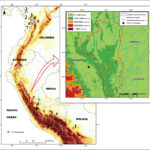
The Rhinella pleuroptera’s distribution spans northern parts of South America, prominently inhabiting the vast Amazon basin in countries such as Brazil, Peru, Ecuador, Colombia, and Venezuela. Within this expansive territory, it claims residence primarily on the lowland forest floors, where shadows from towering kapok and Brazil nut trees gently dapple the ground below. Among the layers of decomposing leaves, tangled roots, and fungal blooms, this resourceful frog carves out a captivating existence.
An Amphibian Adapted to Moisture and Shaded Refuges#
Moist, humid, densely vegetated environments constitute Rhinella pleuroptera’s preferred territories. Ranging from dense terra firme forests to periodically flooded várzea woodlands and riparian habitats, these areas provide the vital moisture necessary for amphibian skin respiration. Closer inspection of their microhabitat reveals preferred hideaways under fallen logs, beneath thick patches of leaf litter, and within root tangles near shallow streams or seasonal pools.
Adaptations to these habitats are essential: to protect against desiccation and predation, Rhinella pleuroptera expertly utilizes its cryptic coloration—a complex pattern of browns, grays, and subtle greens—to blend seamlessly into its surroundings. Its muted palette offers remarkable camouflage, making it challenging even for keen-eyed reptiles, birds, and small mammals to detect.
Physical Characteristics: The Art of Camouflage and Survival#
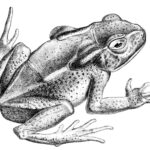
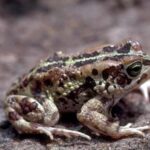
Rhinella pleuroptera typically measures between 40 and 70 millimeters in length, with females generally larger than their male counterparts. At first glance, it exhibits an earthy, humble appearance, but closer scrutiny reveals the fascinating intricacies of its form. Its robust body, stocky limbs, and well-developed parotoid glands—the prominent glandular structures located behind their eyes—characterize this sturdy amphibian. These glands hold potent toxins, providing an additional deterrent against predators.
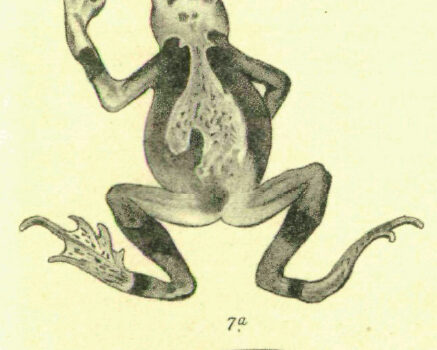
Their dorsal surface displays muted hues ranging from ochre-tan to deep brown or olive, often marked with darker irregular blotches or flecks. The belly displays varying shades of creamy white to pale beige, occasionally peppered with subtle gray markings. Textured, wart-like bumps (‘tubercles’) scattered across their leathery skin enhance camouflage, perfectly mimicking the textures of forest leaf litter and bark.
Eyes are positioned prominently on the sides of the head, enabling broad visual awareness necessary for both predator detection and effective hunting. This species’s golden-to-copper colored irises and horizontally elliptical pupils enhance visual proficiency, particularly useful in the low-light conditions of their forest habitat.
Behavior and Life Cycle: A Richly Layered Alpine Story#
A Cautious Predator in the Leaf Litter#
As the twilight deepens within the Amazonian forests, Rhinella pleuroptera emerges from daytime shelters, embarking on nightly searches for food. Their diet consists primarily of ants, termites, beetles, and other small arthropods abounding on the forest floor. Relying on stealth and keen eyesight, they patiently approach prey, employing rapid, sticky tongue strikes to capture insects with pinpoint accuracy.
Into the Rain: Mating Calls and Breeding Rituals#
Breeding in Rhinella pleuroptera aligns closely with seasonal rainfall. Following heavy rains, males move decisively toward temporary pools and flooded areas, where vibrant choruses begin. The mating call, a gentle but persistent trill, resonates throughout the humid night air, quickly joined by neighboring males in harmony.
When receptive females arrive at these watery breeding grounds, they select mates according to acoustic quality and territorial dominance. After successful amplexus, the female releases gelatinous masses containing thousands of tiny black eggs onto submerged vegetation or water surfaces. Soon after hatching, tadpoles feast on algae and organic matter, growing quickly within the transient and nutrient-rich waters.
A Delicate Dance Between Water and Land#
Tadpoles undergo rapid metamorphosis to ensure terrestrial survival as ephemeral pools dry seasonally. Developing gradually, these young toadlets often migrate as far as several hundred meters away, locating optimal terrestrial niches to establish themselves securely for adulthood. Such movements result in dispersed populations within broad forested regions and promote genetic exchange vital for the species’ resilience.
Ecological Role: Guardians of the Forest Floor#
While Rhinella pleuroptera might seem small and inconspicuous, its presence significantly influences forest ecology. As voracious insect predators, these frogs help regulate arthropod populations, contributing to ecosystem balance and vegetation health. Their roles extend beyond pest control: they constitute essential prey items for larger forest species, such as snakes, lizards, mammals, and birds, anchoring a critical position within the food web and supporting biodiversity.
Moreover, Rhinella pleuroptera’s sensitivity to environmental changes makes them invaluable bioindicators for ecosystem health. Declines in their populations can signal disruption from habitat alteration or toxins, offering researchers valuable insight regarding forest conservation status and biodiversity patterns.
Threats and Conservation Status: Preserving the Invisible Wonders#
According to the International Union for Conservation of Nature (IUCN), Rhinella pleuroptera currently holds a status of Least Concern due to widespread distribution and stable populations. However, complacency in conservation can mask underlying risk factors threatening their continued abundance.
In Amazonia, Rhinella pleuroptera populations face habitat threats due primarily to deforestation driven by logging, slash-and-burn agriculture, infrastructure developments, and illegal mining activities. Climate change also threatens rainfall patterns crucial for their breeding success, and contamination from pesticides or industrial pollutants could significantly impact local populations.
Effective conservation efforts include securing protected areas, promoting sustainable resource-use practices, and monitoring amphibian health and populations for early detection of declines. Encouraging eco-tourism and environmental education can help raise awareness about these remarkable creatures and their significance to biodiversity.
Cultural and Scientific Significance: A Quiet Ambassador for Conservation#
While Rhinella pleuroptera lacks the cultural fame of vibrantly-colored poison dart frogs or frogs prominently featured in indigenous stories and traditions, it contributes significantly to scientific endeavours aimed at understanding tropical ecosystems and amphibian biology. Researchers appreciate this species’ resilience, fascinating adaptations, and the role it plays as an ecological indicator.
Conclusion: Celebrating the Intrinsic Value of Rhinella pleuroptera#
In quiet corners of the Amazon rainforest, Rhinella pleuroptera represents countless species that quietly maintain ecological integrity without attracting widespread fame or attention. Understanding and celebrating this humble yet integral creature underscores our responsibility to steward wild habitats and biodiversity sustainably.
Exploring the secretive lives of Rhinella pleuroptera inspires appreciation and wonder for the delicate ecological symphony playing out beneath the rainforest canopy—a symphony we’d do well to preserve. Readers captivated by these intriguing amphibians can support conservation efforts, educate others on biodiversity’s importance, and continue exploring the fascinating world of frogs through continued learning and advocacy.