Rhinella ocellata: The Enigmatic Jewel of South America’s Rainforests#
In the lush, whispering shadows of South America’s tropical rainforests, a creature modest in size yet striking in appearance navigates the damp forest floors. Meet Rhinella ocellata, commonly known as the Ocellated Toad, a species whose very presence symbolizes the quiet yet profound beauty hidden within our planet’s diverse ecosystems. Though small and unobtrusive, the Ocellated Toad provides an essential glimpse into the intricate and delicate web of life these forests sustain—one that continues to captivate scientists and naturalists alike.
Emerging at twilight amidst the humid air heavy with the scent of moss and decay, it moves deliberately across leaf litter rich with vibrant shades of brown, green, and auburn, keenly aware of the predators and prey alike that share its nocturnal territory. But beyond their intricate patterns and captivating eyespots lies a story of ecological resilience, specialized adaptation, and growing conservation importance—each chapter of which we’ll unfold in this comprehensive exploration.
Taxonomy and Classification#
Rhinella ocellata belongs to a distinguished lineage within the family Bufonidae, commonly recognized as the “true toads.” First described scientifically in the mid-1800s, the species has undergone several taxonomic revisions, reflecting ongoing scientific discovery and increasing genetic insights into amphibian diversity.
The genus Rhinella, previously grouped within the expansive genus Bufo, encompasses a variety of South American toads adapted to the tropical regions stretching from Amazonian lowlands to mountainous Andean foothills. Today, Rhinella comprises several enigmatic and vividly patterned species, with Rhinella ocellata standing out for its unique ocellations and intriguing coloration.
Closely related species include Rhinella margaritifera and Rhinella granulosa, each sharing certain morphological traits yet differing significantly in behaviors and specific habitat preferences. Scientists studying these subtle yet notable differences continue to uncover deeper insights into evolutionary processes and biodiversity.
Natural Habitat#
Native predominantly to the rich, humid rainforests of Brazil, Colombia, Ecuador, and Peru, Rhinella ocellata inhabits regions ranging from lowland Amazonian forest to montane cloud forests. These extraordinary ecosystems boast some of Earth’s richest biodiversity, featuring towering canopies alive with birdcalls, dense understories pulsating with animal activity, and floors carpeted with layers of nourishing decaying vegetation—perfect habitats for this intricately patterned amphibian.
Within these habitats, the Ocellated Toad prefers undisturbed forest floors and nearby freshwater habitats, such as streams or temporary forest pools formed after tropical rains. Humidity, moisture, and moderate temperatures dictate its precise location, prompting individuals to occupy darker, moister microhabitats such as beneath fallen logs, within clumps of leaf litter, or concealed among moss-covered roots of immense, ancient trees.
This habitat choice isn’t random; Rhinella ocellata relies on discrete microclimates for breeding, protection from desiccation, and successful foraging. Forest integrity, therefore, becomes crucial—in turn making this unassuming frog an indicator species, reflecting forest health and stability in regions critically affected by human activities.
Physical Characteristics#
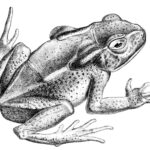
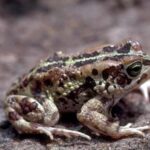
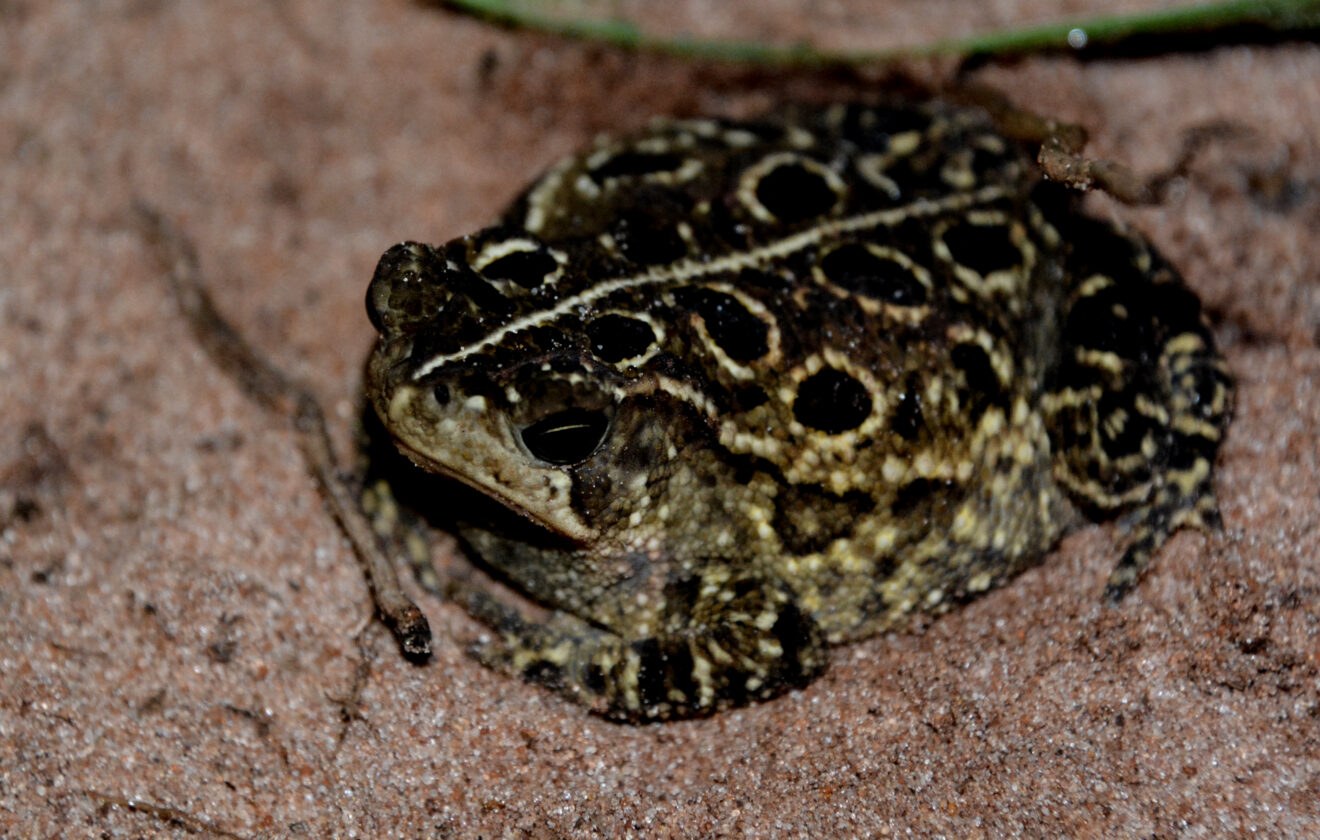
Despite its humble size—typically between 4 and 6 centimeters in length—the Ocellated Toad displays a strikingly ornate appearance, captivating the gaze of even the most casual observer. Its robust, rounded body appears finely textured, bearing granular skin peppered with minute bumps and warts, providing excellent camouflage among leaf litter and debris. But it is truly the magnificent ocellations—eye-like spots prominently displayed across its dorsal surface—that give this toad its common name and captivating visual distinction.
These ocellations vary in shades of tan, brown, gold, and even subtle greens, interwoven delicately upon a dark chestnut or sometimes greyish-brown base. Each eye-like marking carries pronounced dark outer bands surrounding lighter centers, creating visually striking patterns that mimic the texture and color variations found on decaying leaves and moist earth—a masterclass in evolutionary adaptation, helping the toad evade detection by predators such as snakes, birds, and small mammals.
Additionally, like many other Bufonidae members, Rhinella ocellata possesses enlarged parotoid glands behind the eyes, secreting mild yet effectively deterrent toxins as a form of chemical defense. Though far milder than the potent poisons seen in some closely related species, these secretions provide a vital secondary defense should visual camouflage fail.
Behavior and Life Cycle#
Feeding and Hunting Habits#
Nocturnal by nature, the Ocellated Toad emerges after dusk, venturing forth onto damp forest floors under cover of darkness. An opportunistic feeder, its diet comprises various small invertebrates such as ants, beetles, spiders, termites, and other arthropods abundant in its lush habitat.
Employing a sit-and-wait hunting strategy, the toad remains motionless amid leaf litter, relying on its immaculately camouflaged body and patience to ambush unsuspecting prey. A silent observer within the rainforest floor’s complex community, it swiftly extends a sticky tongue to snatch prey in an almost imperceptible strike, continuing quietly through the night in an endless, delicate balance within the forest food web.
Breeding and Reproduction#
The breeding behavior of Rhinella ocellata mirrors its discreet nocturnal lifestyle. Once seasonal rains inundate forest depressions and small water bodies, males gather at these temporary aquatic locales, attracted by environmental cues of moisture, temperature, and humidity. Gentle yet persistent, their chorus—soft, melodious trills intertwined with muted chirps—competes subtly against a cacophony of rainforest nightlife, signaling readiness to females hidden nearby.
Upon attraction, females lay clutches of tiny dark eggs, stringing them among submerged vegetation or floating debris. Tadpoles emerge mere days later, efficiently adapted to rapidly developing in temporary pools and shallow water. Within several weeks, their aquatic, herbivorous bodies transform dramatically: limbs elongate, tails diminish, and lungs replace gill-based respiration, resulting in miniature replicas of adult forms able to leave behind their watery nurseries for terrestrial life.
Ecological Role#
The ecological contributions of the Ocellated Toad extend considerably within its rainforest home. Acting as both predator and prey, it maintains existing insect populations, actively regulating species abundance and diversity by constantly consuming small insects and arthropods.
Conversely, it provides sustenance to higher trophic levels. Predators such as snakes, large arachnids, and nocturnal mammals rely on amphibians like Rhinella ocellata in their diet. Thus, its steady presence indicates a healthy, balanced ecosystem, with humidity, temperatures, and insect populations aligned correctly. The species’ relative sensitivity to environmental alterations also designates it increasingly as an environmental indicator—meaning significant population declines may signal ecological imbalance, contamination, or habitat degradation.
Threats and Conservation Status#
Currently classified as Least Concern by the International Union for Conservation of Nature (IUCN), Rhinella ocellata benefits from wide occurrence throughout various protected natural reserves. Nevertheless, habitat loss due to expanding agricultural practices, logging, infrastructure development, and emerging climate change presents considerable and mounting pressure.
The accelerating pace of deforestation not only destroys valuable habitat but fragments populations, limiting genetic diversity and making remnant populations increasingly vulnerable. Ongoing conservation actions, including region-wide habitat conservation, sustainable practices, and thorough monitoring, become imperative strategies to ensure the long-term survival of these forest jewels.
Cultural and Scientific Significance#
Although not steeped widely in folklore like more notorious poison-dart relatives, Rhinella ocellata contributes to scientific understanding in vital ecological terms. Studies focusing on population genetics and its sensitivity to habitat fragmentation provide guidance for conservation practices. Moreover, its ecological value as an indicator species sheds invaluable light on rainforest health and stability—a subject increasingly crucial as climate change transforms these revered habitats*
Conclusion#
Through a complex web of adaptation, ecological vitality, and discreet beauty, Rhinella ocellata exemplifies the wondrous diversity supported by South American rainforests. To explore its habits and biology is to recognize yet another extraordinary chapter in wildlife evolution and biodiversity. Like so many species hidden within our earth’s flourishing, moist ecosystems, this enigmatic frog requires continued vigilance, research support, and dedicated conservation action. Our enjoyment of its beauty obligates us to ensure its protection today, safeguarding its existence for tomorrow’s generations.