Pseudobufo subasper: The Remarkable Hidden Jewel of the Amphibian World#
Deep within the moist leaf litter and verdant understory of tropical forests, lives a fascinating creature almost unknown even among many nature enthusiasts. Bearing the scientific name Pseudobufo subasper, this frog is a true marvel of evolutionary adaptability, holding unique secrets waiting to be discovered. Its cryptic lifestyle and elusive nature only heighten its mystery and appeal. Not your everyday tree frog and far removed from the fairy-tale princes that spring readily to mind, Pseudobufo subasper is beautifully peculiar, quietly contributing to the vibrant tapestry of biodiversity. This diminutive but fascinating species embodies both the wonder of discovery and the urgency of preservation in today’s rapidly transforming ecosystems.
Taxonomy and Classification#
The distinctively named Pseudobufo subasper, first described taxonomically in 1939, belongs to the family Bufonidae—commonly known as toads. Within the genus Pseudobufo, it remains the only recognized species, emphasizing its singular evolutionary trajectory. It is considered unique enough to warrant its own genus classification, distinguishing it from closely related groups. Although genetically affiliated with more widespread groups of ground-dwelling toads, its evolutionary path has granted it a fascinating set of adaptations perfectly suited to its specialized habitat.
While related species such as Bufo and other typical ‘true toads’ garner greater familiarity, the oddly charming Pseudobufo subasper defies easy categorization, nurturing curiosity and spurring interest from herpetologists striving to uncover the secrets behind its evolutionary divergence.
Natural Habitat#
Pseudobufo subasper occupies a narrow ecological niche within the lush, tropical rainforests of the Malay Peninsula, specifically restricted geographically to the biodiverse and often mist-shrouded forests of Peninsular Malaysia. Its habitat preferences are meticulously specialized: dense leaf litter, moist soils, and the dimly lit understory layers of pristine primary forests.
An Ecosystem Defined by Moisture and Shade#
These frogs prefer perennial, gently flowing freshwater streams shaded by evergreen trees and abundant vegetation that keep temperatures cool and humidity consistently high. Camouflaged among fallen leaves, the frog’s small, rough-skinned body blends seamlessly with its surroundings, allowing it to evade detection by predators. Each rustling leaf and damp pocket within the forest floor offers potential refuge and ambush opportunities, greatly suiting the frog’s secretive lifestyle.
Although often overlooked due to its cryptic coloration and elusive behavior, this microhabitat specialist plays a significant role in continuing the nutrient cycle, aiding decomposition processes, and regulating insect populations.
Physical Characteristics#
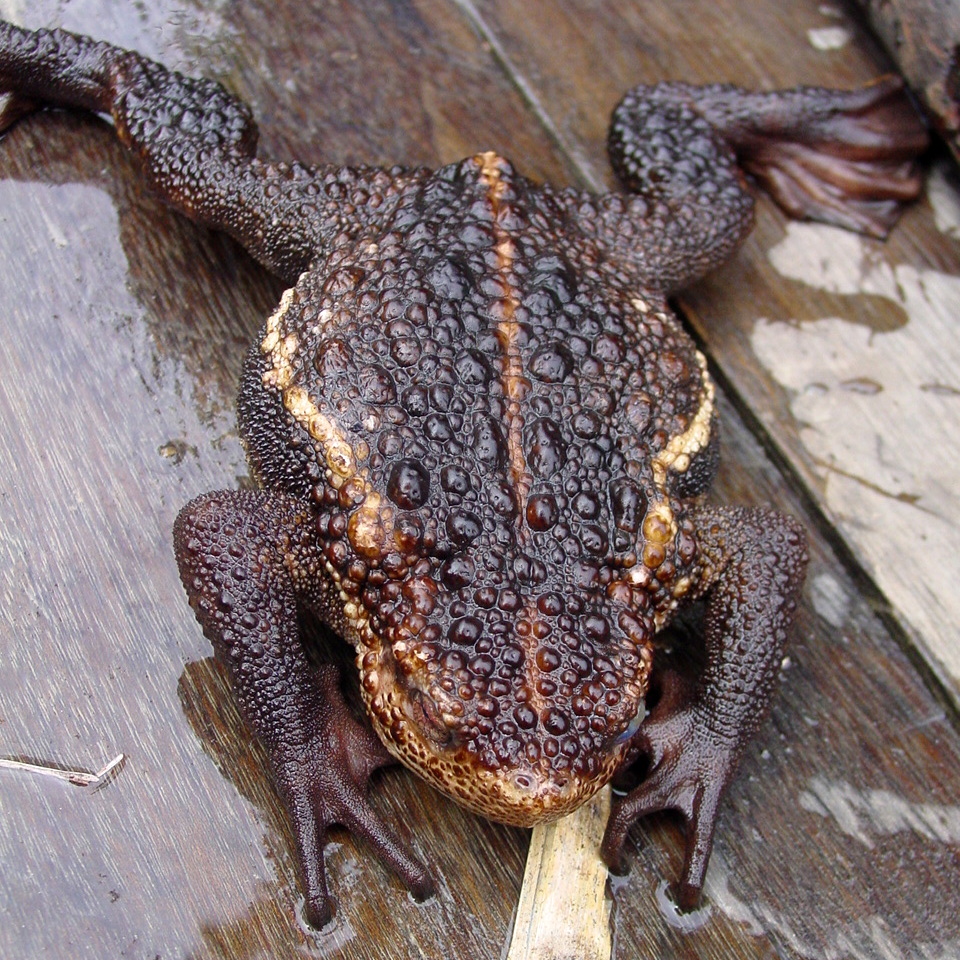
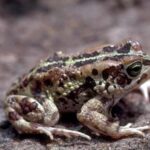
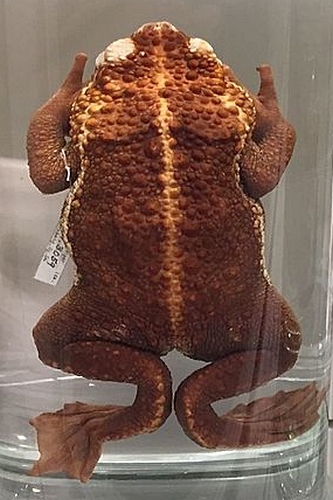
Measuring approximately 30 to 40 millimeters in length, adult Pseudobufo subasper are compact and rounded, outfitted with a warty-textured skin that provides remarkable camouflage among leaf litter. On close inspection, their dorsal surfaces reveal shades of brown to dark gray, beautifully dappled with darker blotches, mimicking decomposing vegetation.
A Portrait of Camouflage and Survival#
The species’ distinguishing traits include prominent cranial ridges and noticeably granular skin textures, providing a convincing disguise that deters predators. Their large, expressive eyes protrude slightly, offering excellent peripheral vision—a trait central for survival in low-light conditions.
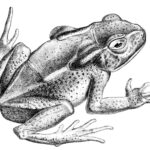
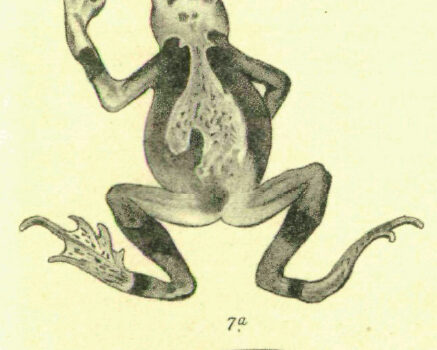
Their short, sturdy limbs enable them to efficiently crawl through leaf litter and detritus, while their fingers and toes lack expanded adhesive discs commonly seen in arboreal species. Instead, blind-ended webs between their toes subtly indicate their terrestrial but water-inclined preference, suited to navigating damp forest floors and shallow streams.
Behavior and Life Cycle#
Despite their subtle appearance, these creatures exhibit intriguing behaviors and fascinating reproductive strategies that astound even experienced researchers. Active mostly at night (nocturnal), they emerge discreetly from sheltered hiding places under fallen leaves and logs to hunt insects meticulously stalking their unsuspecting prey using patient ambush tactics.
Silent Hunters and Subtle Communicators#
Unlike related toads known for loud, sonorous calls, male Pseudobufo subasper typically employ subtle vocalizations consisting of gentle chirps and low-frequency notes during the rainy season, attracting females without alerting potential predators nearby. This nuanced communication strategy emphasizes their unique adaptation to a life centered on discretion and stealth.
Reproduction and the Circle of Life among Fallen Leaves#
The breeding season coincides with seasonal rainfall peaks, triggering adults to congregate near secluded shallow streams. Here, males carefully select tiny depressions in the substrate, emitting subdued mating calls to entice females. Upon successful pairing, the female lays her eggs in gelatinous strings embedded within shallow waters, safeguarding them beneath fallen leaves or aquatic vegetation to protect against disturbances or predation.
Eggs hatch into tadpoles distinguished by dark pigmentation suitable for life on shaded streambeds. Developing rapidly, the tadpoles metamorphose into miniature toads within weeks, ensuring swift transition to terrestrial life with minimum vulnerability to aquatic predators.
Ecological Role#
The importance of Pseudobufo subasper transcends its diminutive stature. As both predator and prey, it occupies critical ecological niches, helping control populations of small invertebrates, thereby preventing outbreaks of insect-borne disease vectors.
Simultaneously, this species represents an essential food source for larger vertebrate predators, contributing significantly to maintaining ecological equilibrium. Furthermore, its sensitivity to environmental changes makes it an indispensable indicator species, able to signal subtle disturbances within delicate forest ecosystems long before visible signs are evident.
Threats and Conservation Status#
Despite their discreet nature, these charming amphibians are deeply affected by broader environmental dynamics. Declining pristine forest habitats due to deforestation, intensive agriculture, and urbanization severely threaten their survival. Climate change compounds these difficulties further by altering rainfall patterns and temperatures vital for their reproduction and survival.
Facing an Uncertain Future#
Presently, the conservation status of Pseudobufo subasper is classified as Near Threatened by the International Union for Conservation of Nature (IUCN). This status reflects habitat deterioration caused by human activities and the ongoing vulnerability of its fragmented, specialized habitats.
Efforts Toward Protection and Awareness#
Conservation groups actively campaign to promote the protection of Peninsular Malaysia’s remaining primary forest habitats, advocating regulatory reforms and creating educational opportunities targeting local communities. Through public awareness and targeted conservation practices, efforts continue to safeguard not just the habitat that sustains this species but the broader biodiversity hotspot this region embodies.
Cultural and Scientific Significance#
A humble and unobtrusive species like Pseudobufo subasper seldom captures headlines, yet its storage of novel biochemical compounds has piqued scientific curiosity. Preliminary research identifies potential pharmacological properties inherent within the skin secretions of this inconspicuous toad, sparking excitement among biomedical researchers intrigued by prospects of developing therapeutic applications from its naturally derived compounds.
Additionally, local Malayan folklore acknowledges the general family of toads and frogs as symbols of rejuvenation, fertility, and ecological balance, portraying the amphibian community broadly as valuable markers in traditional ecological knowledge systems.
Conclusion: Why This Secretive Frog Matters#
Pseudobufo subasper perfectly represents nature’s hidden potential—modest yet critical, secretive yet profoundly interconnected. It underscores the priceless value inherent within even the most aloof, elusive members of our planet’s biological community.
Every species lost diminishes the intricate web of life, potentially extinguishing undiscovered cures, ecological regulators, and facets of innate beauty. Ultimately, our awareness, respect, and protective action contribute significantly to the survival of species such as Pseudobufo subasper.
In learning about and advocating for creatures small and obscure, we reaffirm an essential continuity shared across life forms—from the bustling human cities to the quiet rustle of rainforest leaves sheltering delicate, cryptic amphibians. Let’s continue exploring, protecting, and cherishing nature’s hidden jewels, fostering a sustainable future for all life.