- Discovering Rhaebo lynchi: The Hidden Treasure of the Rainforest Floor
- Taxonomy and Classification: Understanding Lynch’s Toad
- Natural Habitat: Life on the Rainforest Floor
- Physical Characteristics: Hidden Beauty of Lynch’s Toad
- Behavior and Life Cycle: Dancing to Nature’s Quiet Rhythm
- Ecological Role: Guardians of Tropical Integrity
- Threats and Conservation Status: A Fragile Existence
- Cultural and Scientific Significance: Beyond Biology
- Conclusion: Joining the Chorus of Conservation
Discovering Rhaebo lynchi: The Hidden Treasure of the Rainforest Floor#
Beneath the emerald-green canopy of the lush tropical forests of the Colombian Andes, hidden amongst fallen leaves and moss-covered logs, dwells a fascinating amphibian that few have the privilege of encountering—the enchanting frog species Rhaebo lynchi. This elusive amphibian, belonging to the vibrant yet often overlooked world of toads and frogs, is scientifically known as Rhaebo lynchi and is lovingly called Lynch’s Toad in recognition of its rich biological heritage.
While frogs and toads often captivate our imagination with their colorful forms, mesmerizing calls, and intriguing life cycles, Rhaebo lynchi, modest in its appearance but captivating in its behavior, offers nature enthusiasts and scientists alike extraordinary insights into the delicate balance of tropical ecosystems. From its camouflaged skin, perfectly crafted for life on the rainforest floor, to its cryptic lifestyle and fascinating ecological niche, this species invites us into a veritable narrative filled with mystery, discovery, and conservation urgency.
Taxonomy and Classification: Understanding Lynch’s Toad#
Rhaebo lynchi belongs neatly to the taxonomic family Bufonidae, which houses an extraordinary diversity of true toads, widespread across nearly every continent except Antarctica and Australia. Within this family, the genus Rhaebo comprises a select group of ground-dwelling toads characteristic of tropical South America, widely recognized for their fascinating morphologies and particular ecological roles.
This particular species, named after the renowned American herpetologist John Douglas Lynch in recognition of his substantial contributions to amphibian studies in Colombia and beyond, distinguishes itself subtly yet importantly from its relatives. While visually, Lynch’s toad may share characteristics with other Rhaebo species, such as Rhaebo guttatus and Rhaebo nasicus, its detailed genetic composition and unique regional adaptations set it apart, underscoring the incredible diversity lurking beneath the seemingly uniform cloak of tropical fauna.
Natural Habitat: Life on the Rainforest Floor#
The Rhaebo lynchi makes its home deep within the verdant regions of Colombia, primarily known from mid-elevation tropical forests found on the eastern Andean slopes. Regions such as the Serranía de las Quinchas and surrounding ecosystems offer the perfect setting for this elusive frog—lush, humid, and brimming with biodiversity. The rainforest floor, blanketed in thick layers of leaf litter, decaying branches, and vibrant moss, provides an ideal refuge, creating microhabitats teeming with insects, worms, and small arthropods—and thus abundant feeding opportunities for our cryptic amphibian resident.
A Master of Camouflage and Adaptation#
Navigating through shadowed spaces beneath towering trees, Rhaebo lynchi thrives where moisture is consistently high, and temperatures remain relatively stable. This amphibian is seldom seen openly—its survival depends heavily upon its exceptional camouflage, enabling it to blend effortlessly into the dappled floor of its environment. Fallen foliage in shades of brown, copper, olive, and gold provide nature’s palette, carefully matched by the tone and texture of Lynch’s toad, ensuring protection against predators and enhancing hunting success.
Each part of their habitat serves purposefully: fallen logs and tree roots offer hiding spots from larger predators, while moist leaves harbor plentiful prey, facilitating an ecological dynamism crucial for the species’ delicate existence. Here, the frog stays safely concealed during daylight, patiently awaiting nightfall when cooler, wetter conditions allow it to emerge from hiding to forage.
Physical Characteristics: Hidden Beauty of Lynch’s Toad#
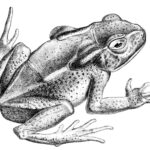
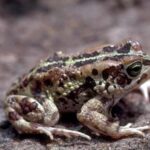
At first glance, Rhaebo lynchi might appear unremarkable, a quiet dweller cloaked in modest colors rather than flashy hues. Yet, a closer inspection reveals a beauty born of biodiversity and adaptation. Adult specimens often measure between 35 to 50 mm in length, making them modestly proportioned yet perfectly adapted to occupy small niches beneath forest detritus.
Their skin, textured with distinctive granular bumps often characteristic of toads, exudes a subtle charm—browns and deep reddish hues patterned with darkened blotches mirror the surrounding leaf-litter nearly seamlessly. Eyes that glimmer softly in gentle shades of gold and brown reflect the faint beams of moonlit nights, betraying their position only to the most observant nocturnal predator or patient researcher.
Adaptations Tailored for Survival#
Particular adaptations ensure survival and predator avoidance. Glands located behind the eyes, known as parotoid glands, produce mild toxins—defensive secretions deterring predators while posing no substantial threat to cautious humans. Their cryptic coloring provides twin advantages, simultaneously disguising the toad from predators and ambushing unsuspecting prey. Subtle webbing between powerful hind limbs affords stealthy movement across slippery substrates, allowing quick escapes and efficient navigation through dense rainforest understory.
Behavior and Life Cycle: Dancing to Nature’s Quiet Rhythm#
The life of Rhaebo lynchi unfolds to a rhythm set by the gentle pulse of the rainforest. Nocturnally active, this elusive creature embarks nightly from hiding places to hunt, relying on stealth and patience above agility or speed. Diet primarily includes small invertebrates—ants, termites, beetles, and tiny arachnids—preyed upon with surprising precision.
Courtship and Mating Behavior#
When the rains intensify during seasonal shifts, male Lynch’s toads offer melodic yet subdued calls, subtle sounds that resonate gently through the forest air. During courtship periods, typically associated with increased humidity and rainfall, gatherings at shallow pools or temporary water bodies increase. Eggs are deposited in aquatic environments, where they transform from hidden gelatinous clusters into thriving tadpoles, each developing rapidly in warm, nutrient-rich waters.
The tadpoles embody their own chapter of transformation—a delicate yet rapid metamorphosis mediated by their watery nurseries—until emerging onto the forest floor as miniature toads ready to claim territories uniquely suited to their cryptic lifestyle. Every fragile stage of this life cycle testifies to their remarkable adaptability and sensitivity, emphasizing their dependency on carefully balanced ecosystems wherein minor disturbances may elicit devastating consequences.
Ecological Role: Guardians of Tropical Integrity#
Amphibians like Rhaebo lynchi fulfill critical ecological roles. As diligent predators of insects and small invertebrates, these amphibians help regulate pest populations, preserving equilibrium and preventing outbreaks that could harm plant life and disrupt broader ecological balances.
Equally significant, Lynch’s toads serve as important indicators of habitat health. Given amphibians’ sensitive skin and intricate life cycles intimately connected to water quality and environmental purity, their presence or absence provides signals to ecologists and conservationists about ecosystem conditions, guiding critical decisions in habitat management and conservation practices.
Threats and Conservation Status: A Fragile Existence#
Unfortunately, the world of Rhaebo lynchi faces mounting dangers—deforestation, habitat fragmentation, pollution, and rapid climate change impair the delicate balance upon which this amphibian depends. The IUCN lists Rhaebo lynchi as “Data Deficient,” meaning further research is urgently required to assess population trends accurately. Still, habitat loss clearly poses profound risks, and conservationists widely recognize its vulnerability.
Growing human populations encroach continuously on previously untouched wilderness, converting forests into agricultural fields, roads, and settlements, effectively reducing the once-thriving habitats of this amphibian specialist.
Conservation Efforts#
Fortunately, awareness about amphibian conservation grows continuously, igniting active conservation initiatives. Efforts to establish protected areas, conduct thorough ecological research, and educate local communities instill hope. Protecting habitats such as the Serranía de las Quinchas and associated forests benefits not only Rhaebo lynchi but countless other native species sharing its fragile world.
Cultural and Scientific Significance: Beyond Biology#
To local communities, the forests and their fauna embody cultural heritage, traditions, and spiritual beliefs. Although specifically attributable folklore about Rhaebo lynchi remains scarcely documented, amphibians generally hold symbolic value across many cultures, representing fertility, transformation, and environmental health.
Scientifically, each discovery that furthers understanding of species like Rhaebo lynchi advances knowledge of hidden biodiversity, ecological interdependencies, and conservation perspectives critical for safeguarding global ecosystems.
Conclusion: Joining the Chorus of Conservation#
In the end, noting the captivating, hidden life of Rhaebo lynchi invites reflection upon our shared responsibility toward nature. Understanding the beauty, complexity, and vulnerability embodied in a single amphibian resonates profoundly—highlighting our role as stewards in protecting such fragile natural treasures.
By fostering awareness, promoting conservation practices, and championing habitat protection, all nature enthusiasts contribute positively, ensuring that Lynch’s toad continues singing softly beneath the rainforest moon, forever treasured as another miraculous chapter in earth’s endless biodiversity story.