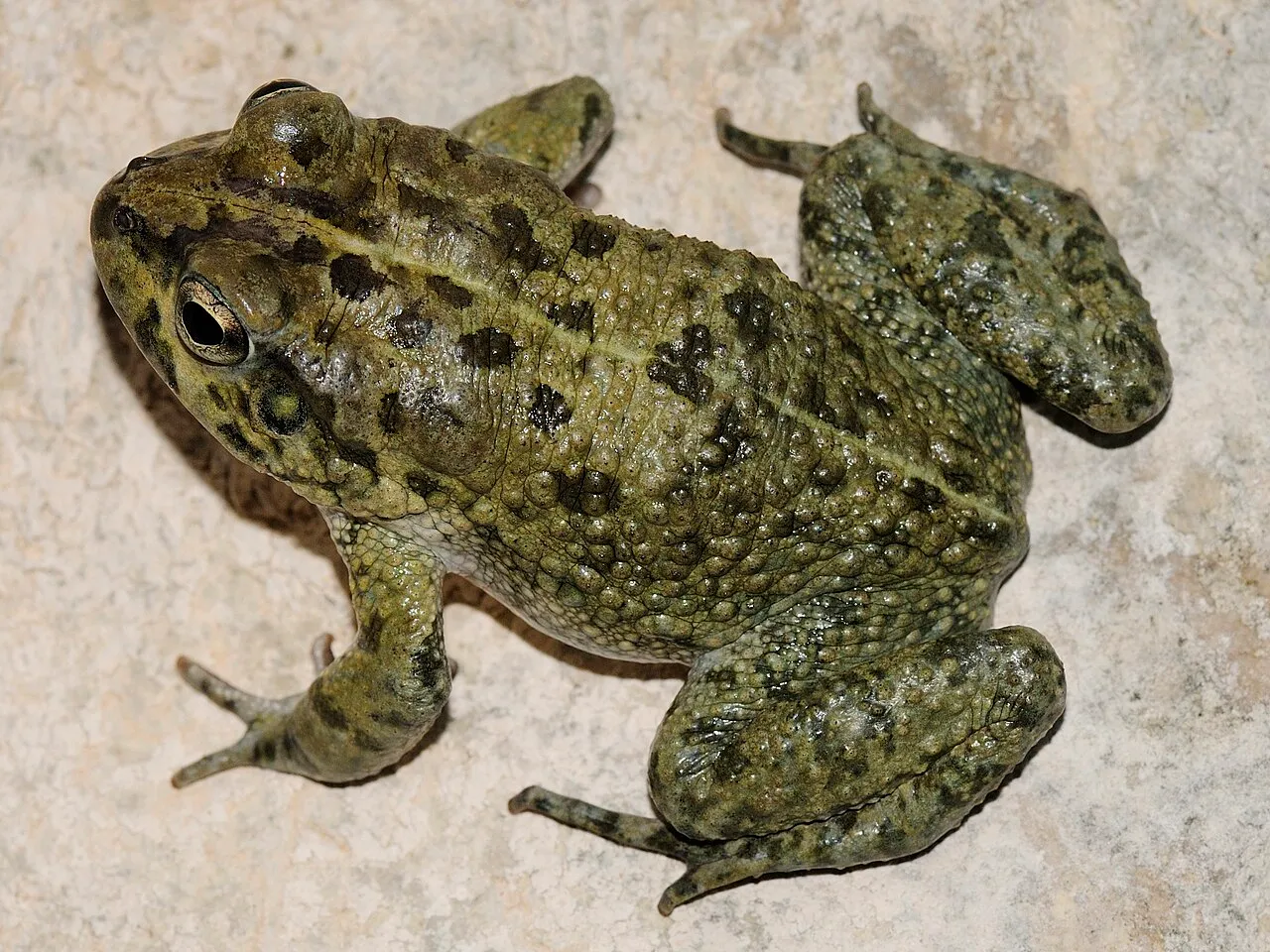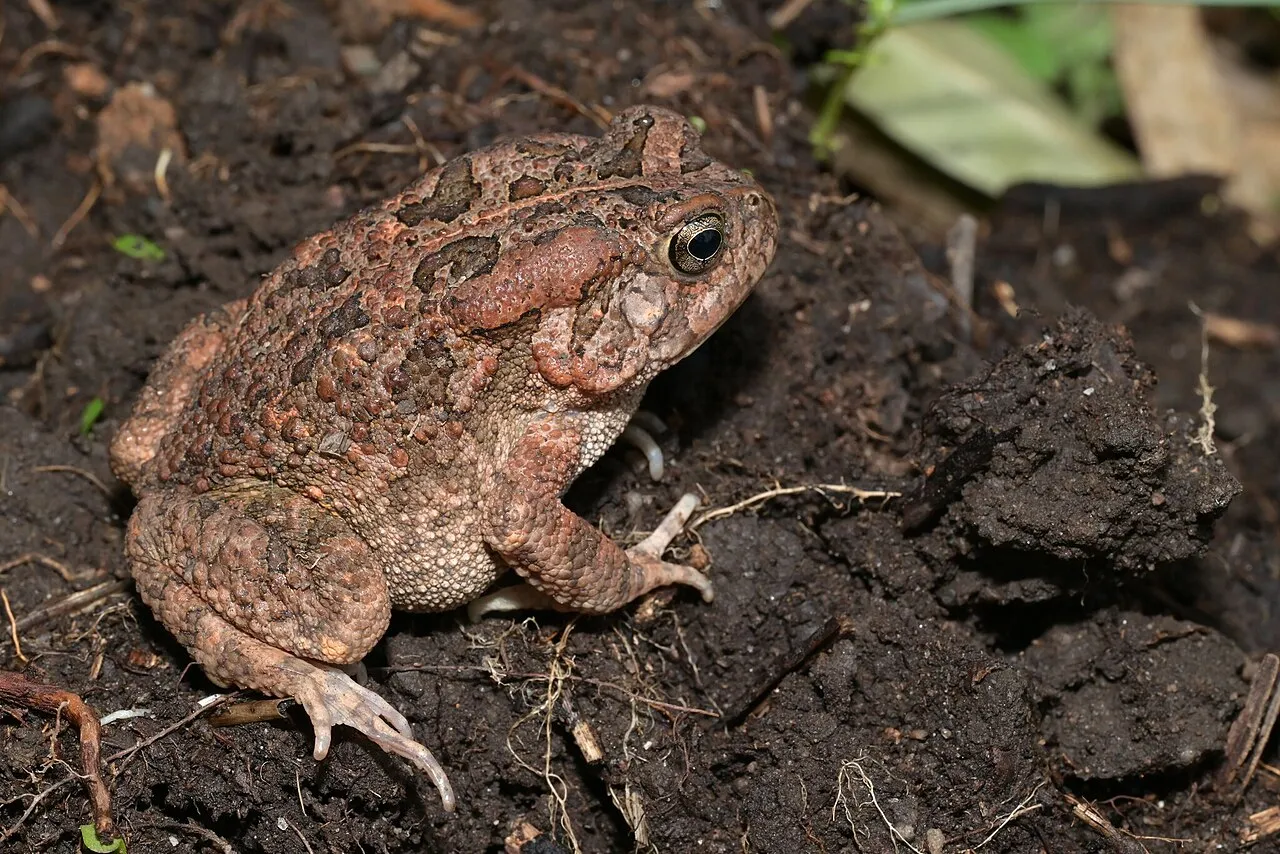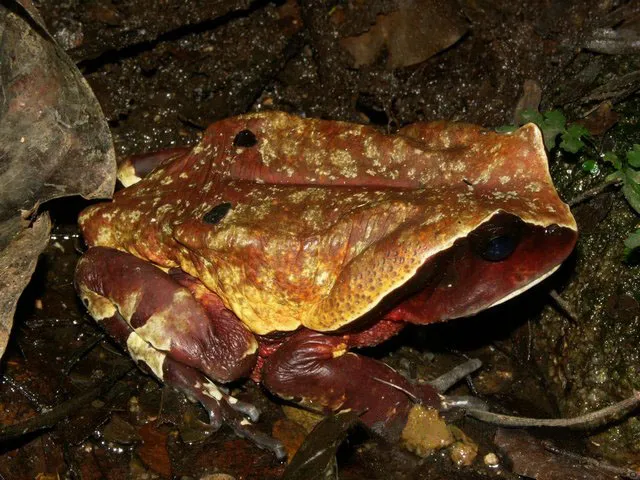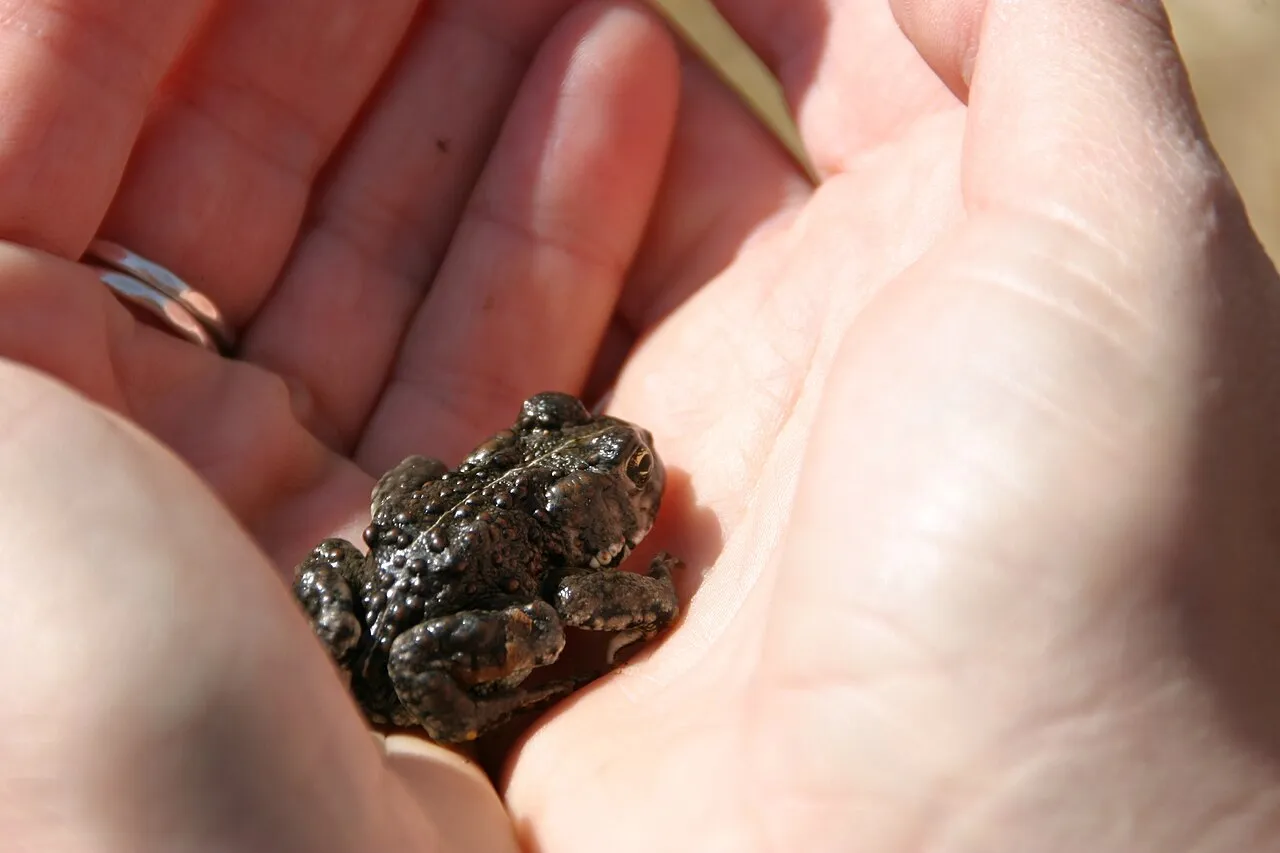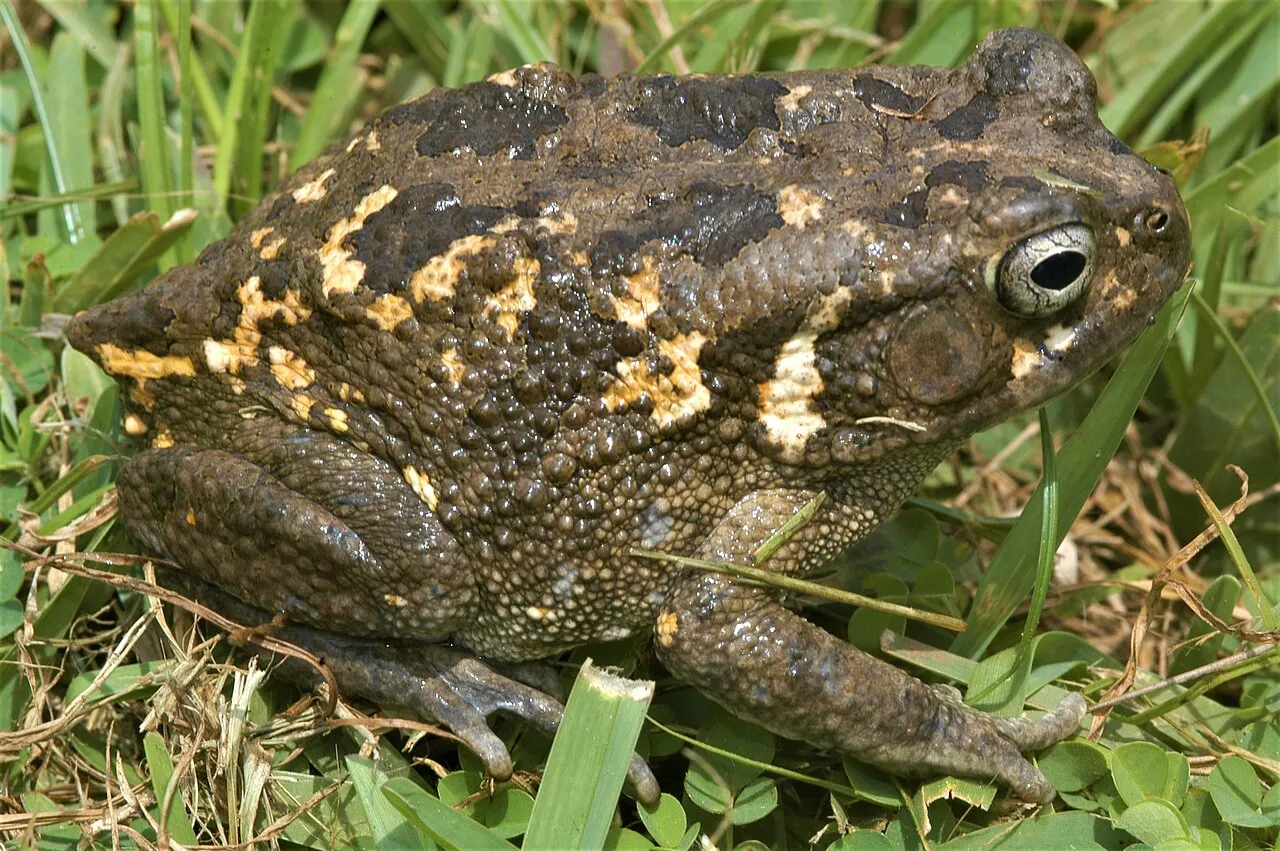
Sclerophrys regularis, the African common toad, is a true toad of the family Bufonidae that occurs across sub-Saharan Africa and reaches oases in Algeria, Libya and northern Egypt, with records from more than 25 countries, including Angola, Nigeria, Kenya, Ethiopia, Ghana and Cameroon.
For decades the name Bufo regularis covered a wider circle of African toads than the species recognised today; some of those populations, including the guttural toad, have since been split off as their own species, while the old combinations still turn up as synonyms in taxonomic indexes.
Identification
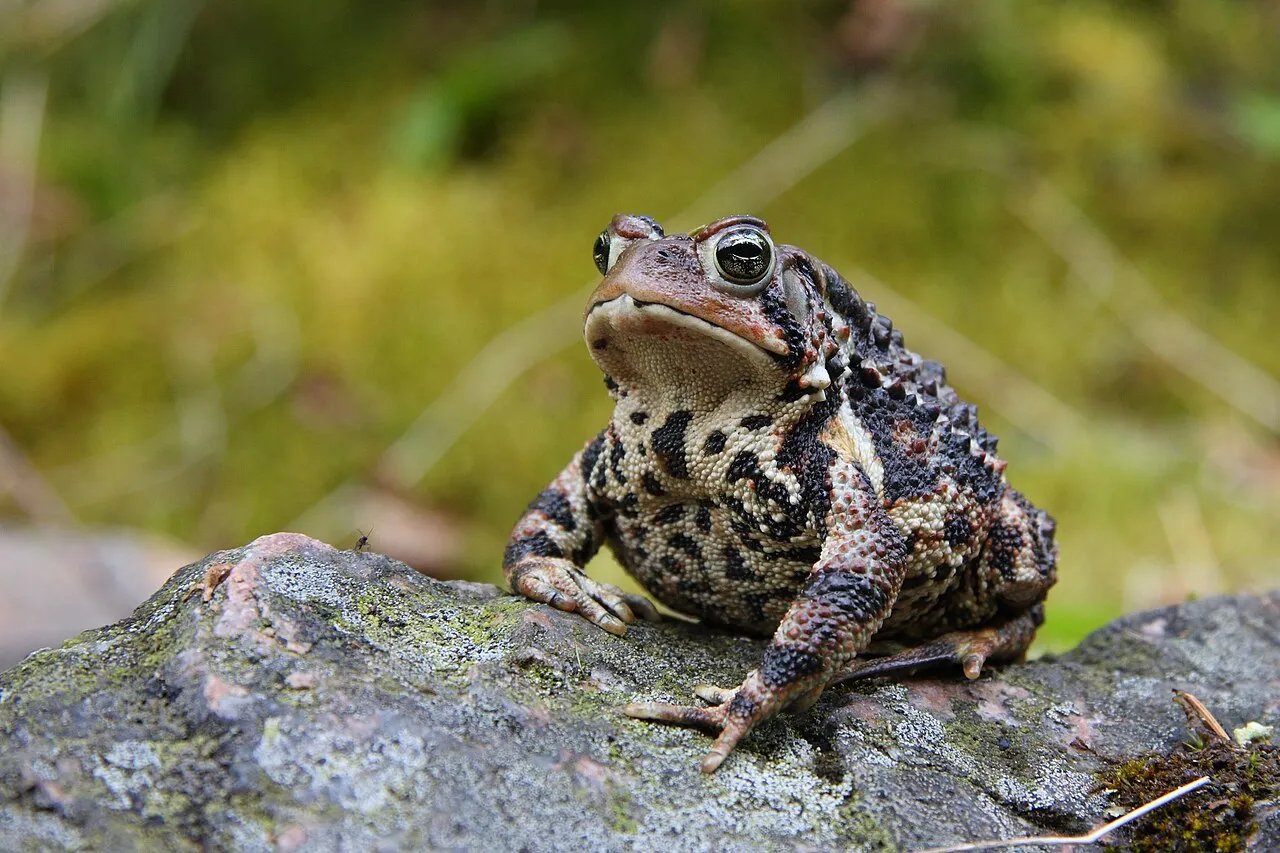
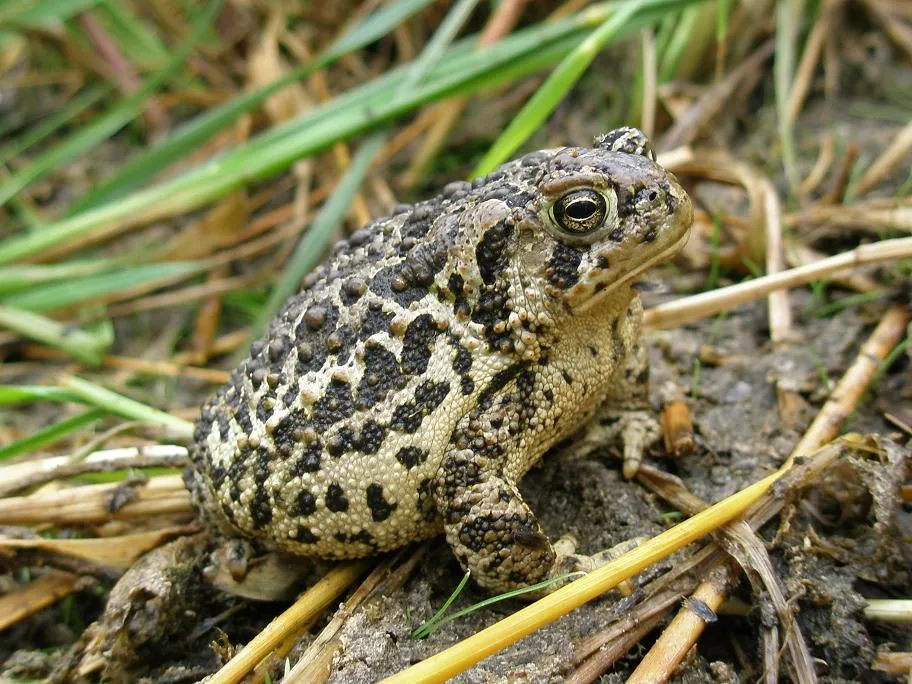
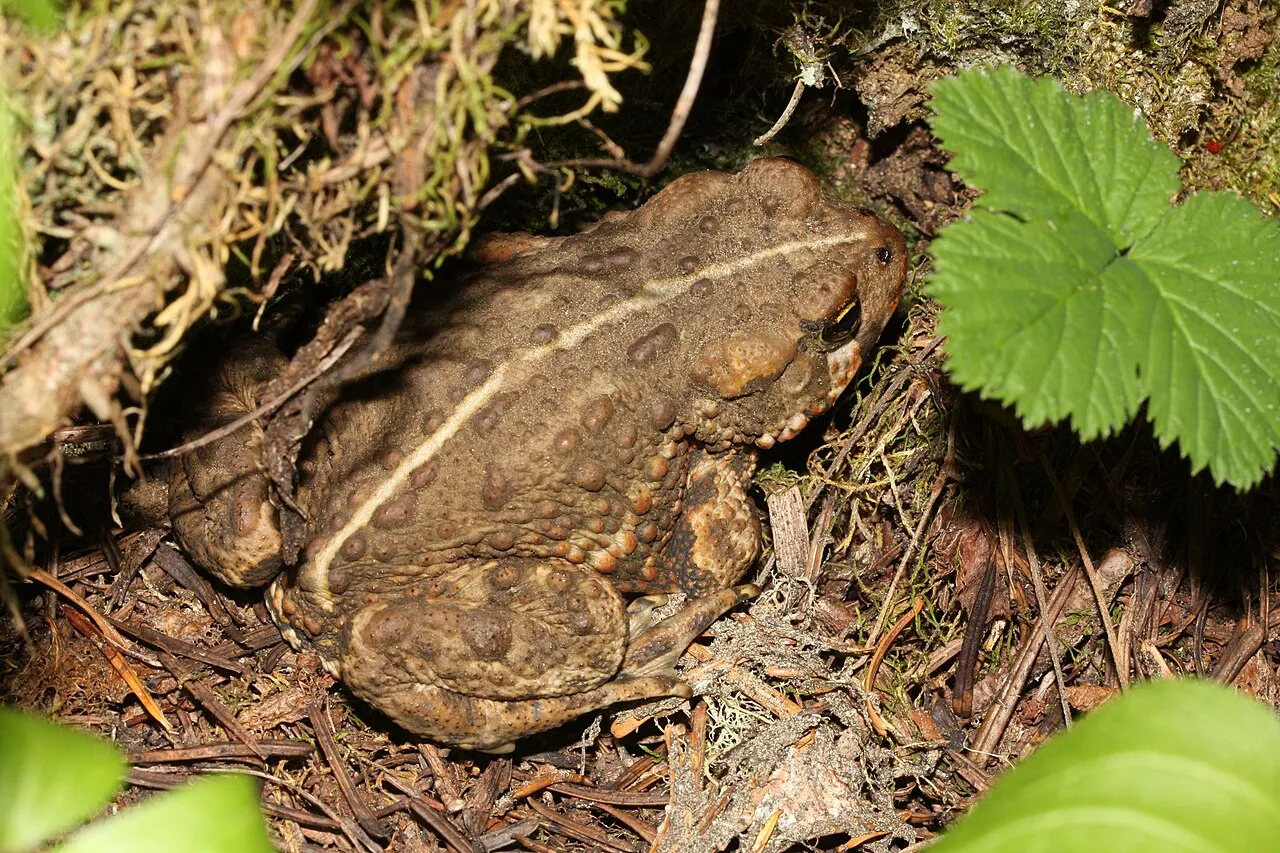
Males measure 62–91 mm in snout-vent length, while females are larger, at 70–130 mm, a size gap typical of Bufonidae and useful for telling the sexes apart outside the breeding season. Like other members of its genus it carries the prominent warty skin and paired parotoid glands behind the eyes that are a toad’s main defence against predators.
Habitat and range
The African common toad is abundant in both moist and dry savanna, montane grassland and forest margins, as well as agricultural habitats, and it tolerates degraded forest and urban gardens just as readily. That tolerance for disturbed and farmed land helps explain how the species holds such a wide range.
Behaviour and breeding
Breeding takes place near rivers, where males gather to call for mates. Each male has a single vocal sac under the chin and produces a rattling call made of two pulses lasting about 0.9 second.
Conservation
The IUCN category is in the facts box above. The species’ enormous range and its comfort in farmland, degraded forest and city gardens alike mean it faces no significant range-wide threat.
Similar species
Sclerophrys gutturalis, the guttural toad, was for much of its taxonomic history treated as a form of Sclerophrys regularis and remains the closest confusion risk where their ranges overlap; the guttural toad’s cross-shaped mark between the eyes and three-second “snore” call are the more reliable field marks separating the two. Sclerophrys superciliaris, the much larger African giant toad, shares parts of the same West and Central African range but is readily told apart by its greater bulk. Sclerophrys arabica, the Arabian toad, occupies a separate range on the Arabian Peninsula and is not normally encountered alongside this species.