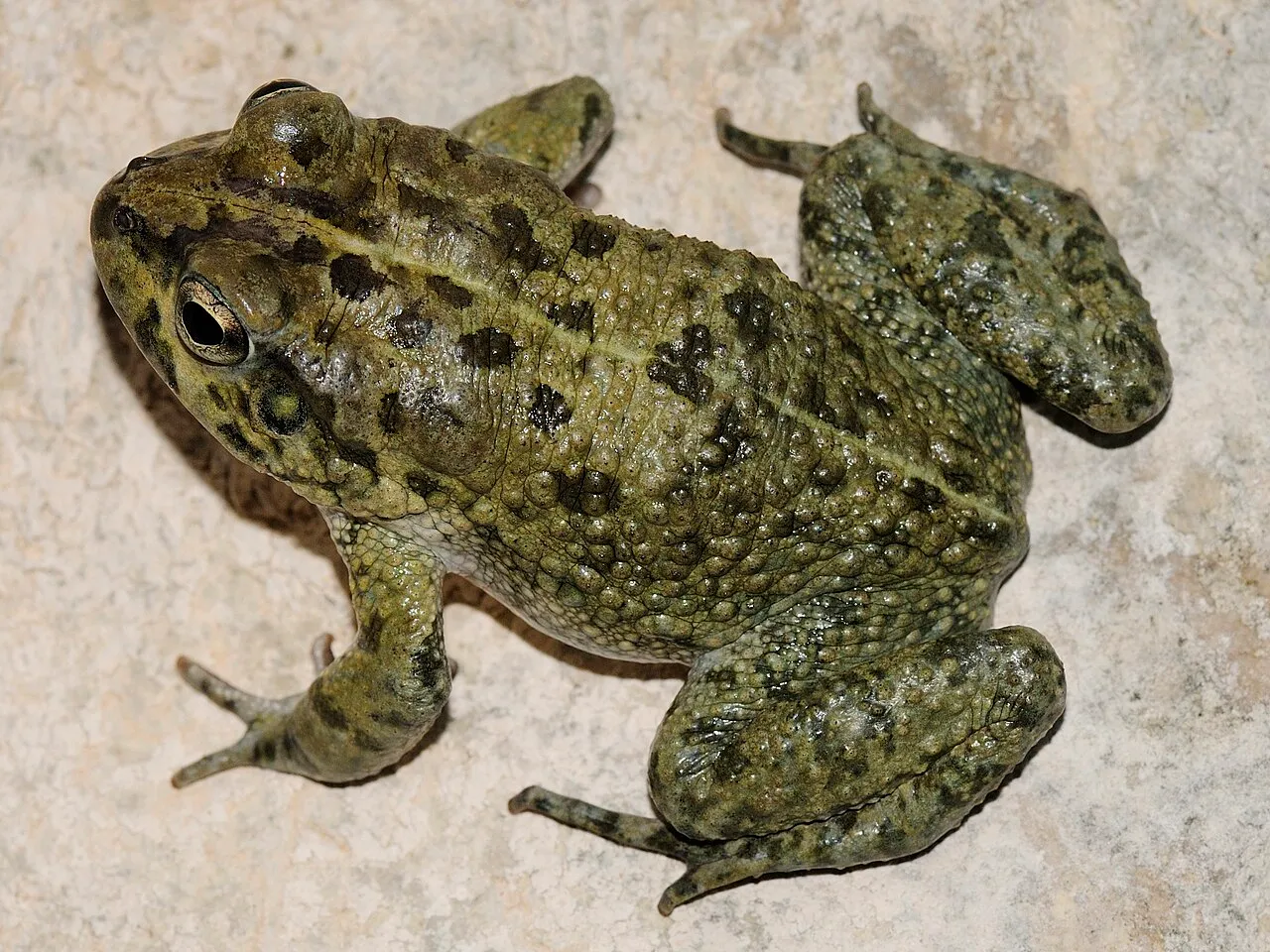
Sclerophrys arabica, the Arabian toad, is a true toad of the family Bufonidae, endemic to the Arabian Peninsula. Its range covers northwestern, central and southwestern Saudi Arabia, the Farasan Islands in the Red Sea, western and southern Yemen, the United Arab Emirates and northern Oman, occurring from sea level to about 2,300 m altitude. That spread, from a Red Sea archipelago to highland wadis more than two kilometres up, makes it one of the more widely distributed amphibians of the peninsula, and one of the few toads to have reached an offshore island group such as the Farasans at all.
Across that range the species crosses several of the Peninsula’s driest countries, which makes its presence a reliable sign of water nearby, whether a natural spring, a seasonal wadi pool or a village irrigation channel.
Identification
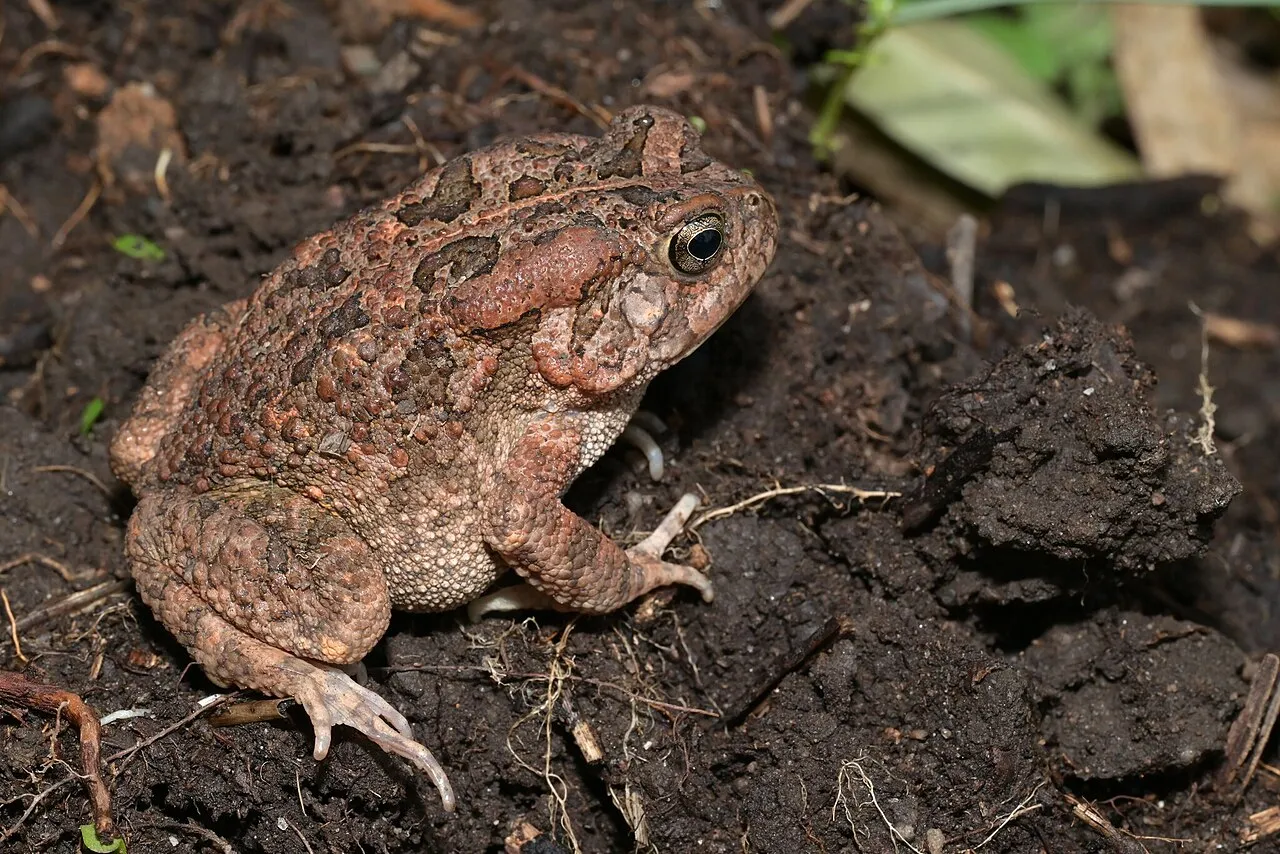
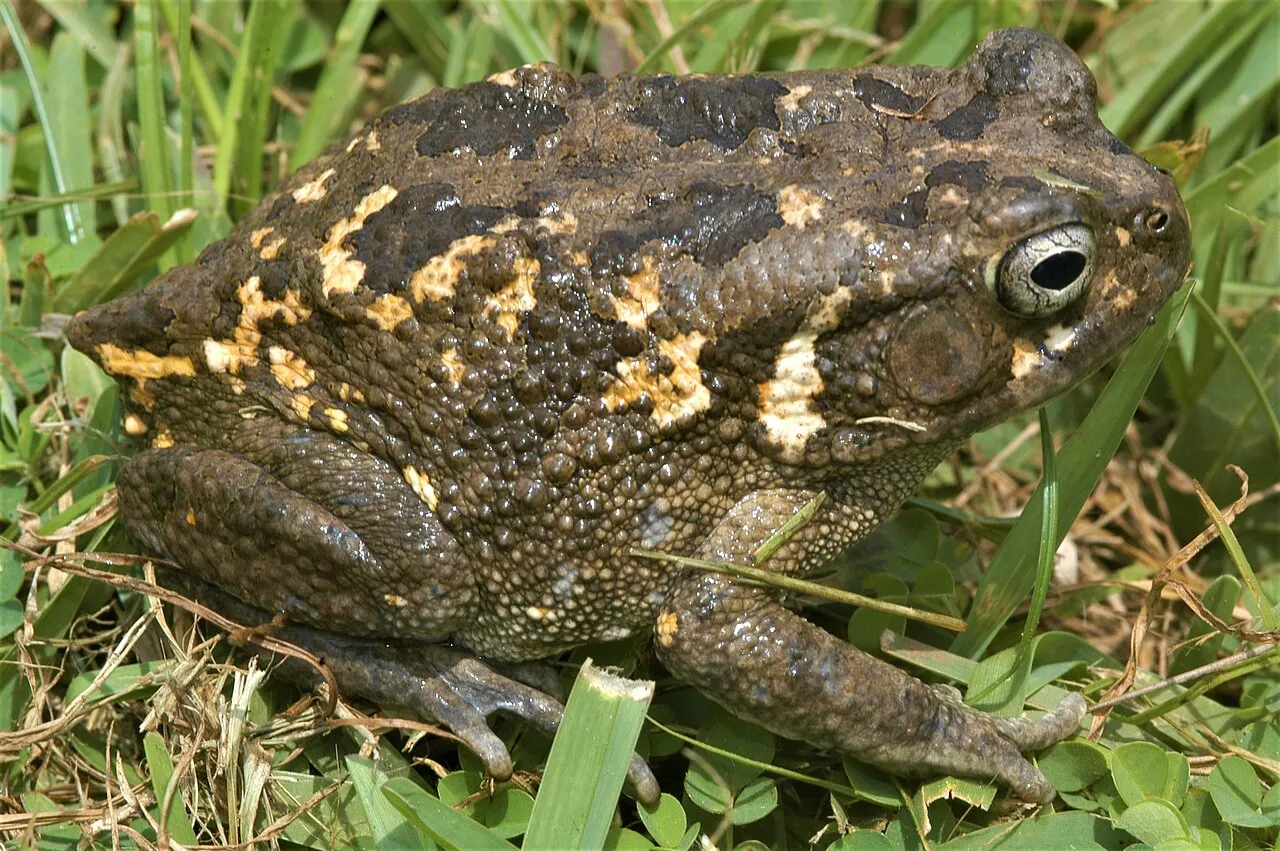
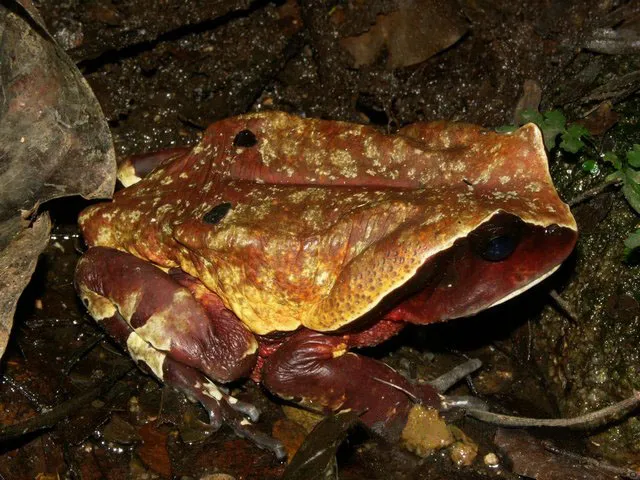
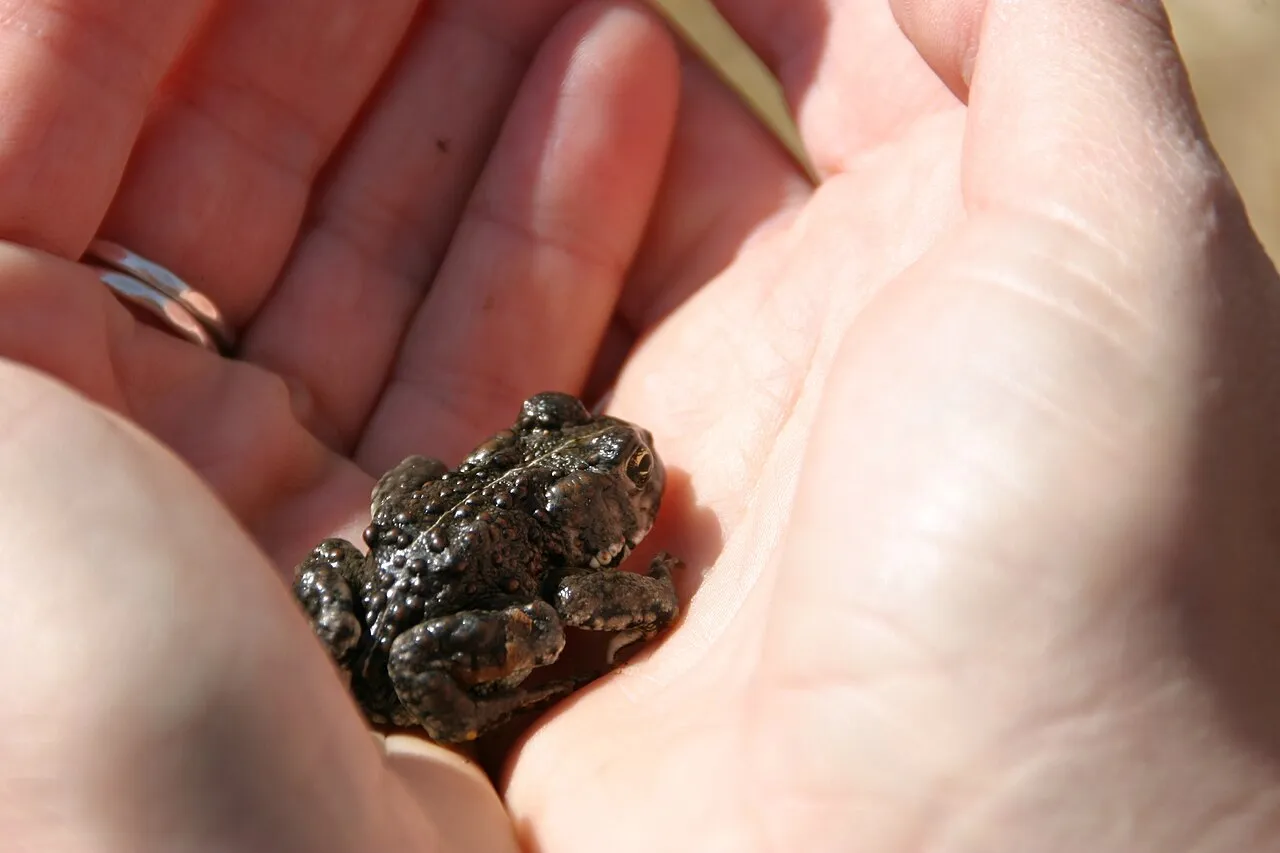
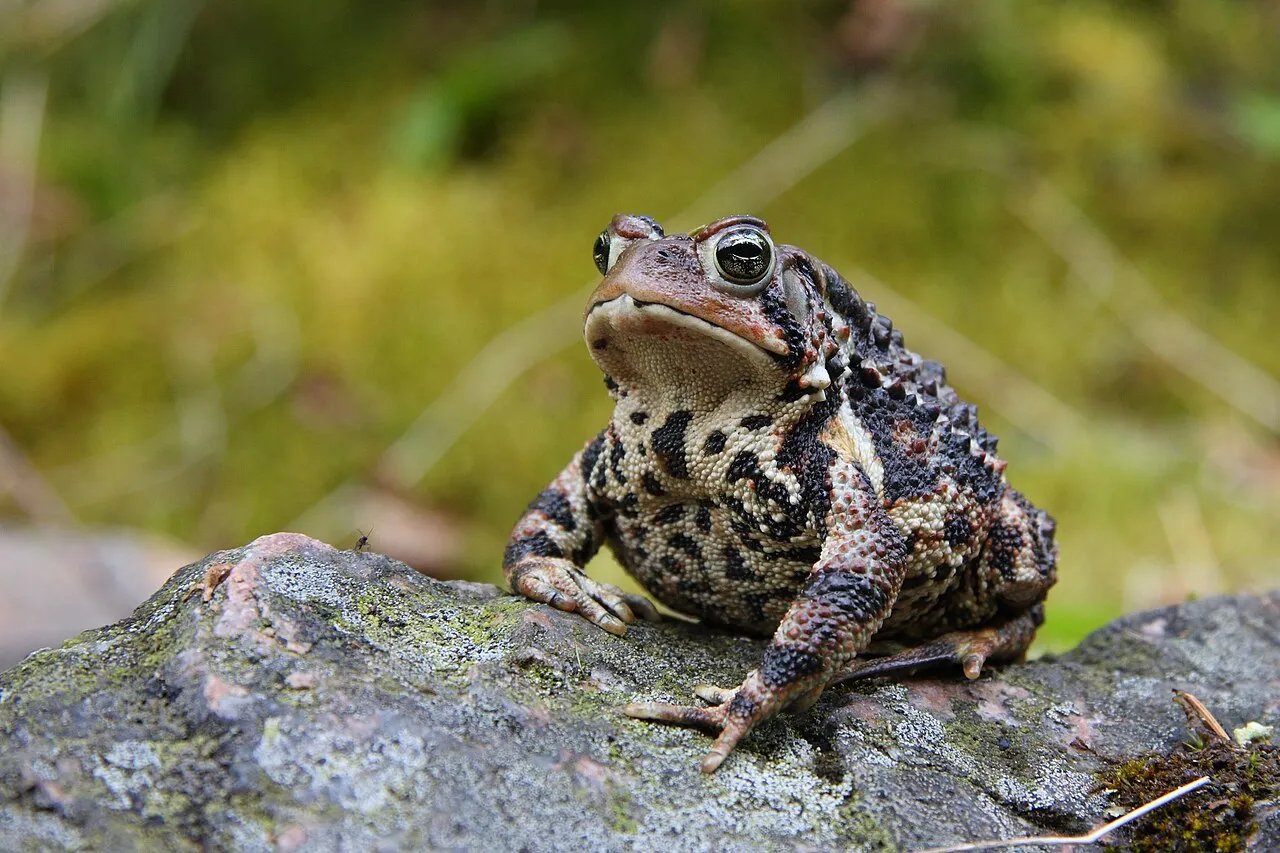
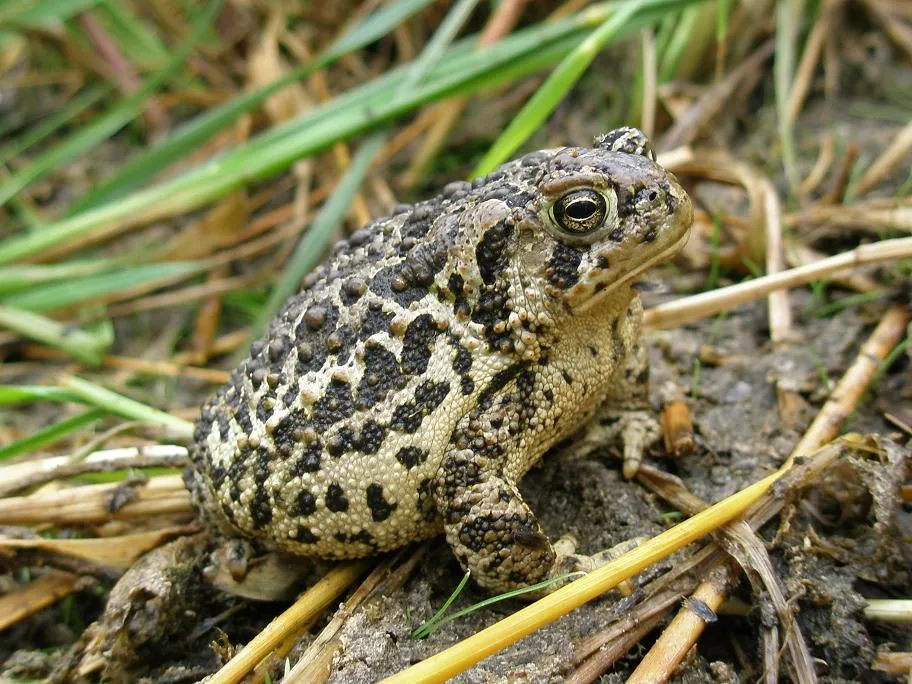
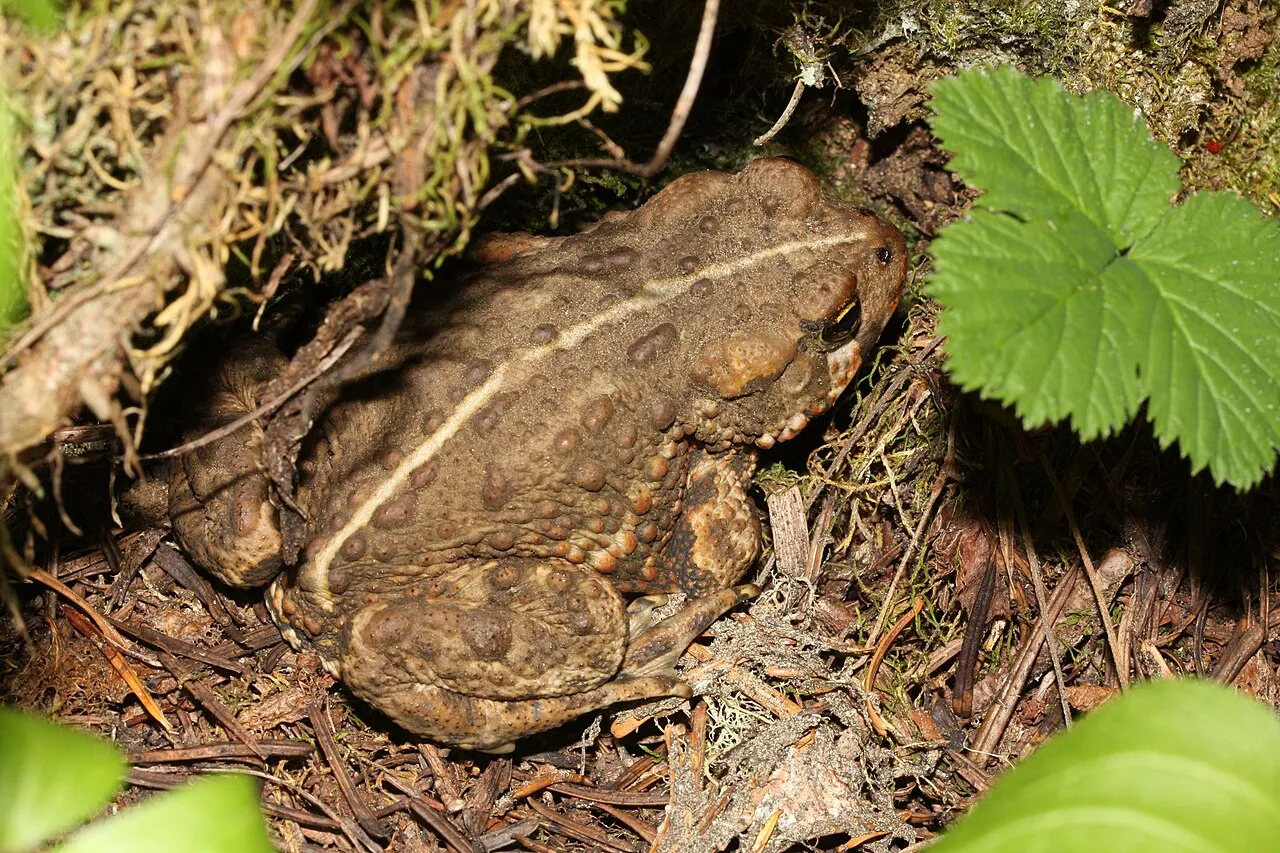
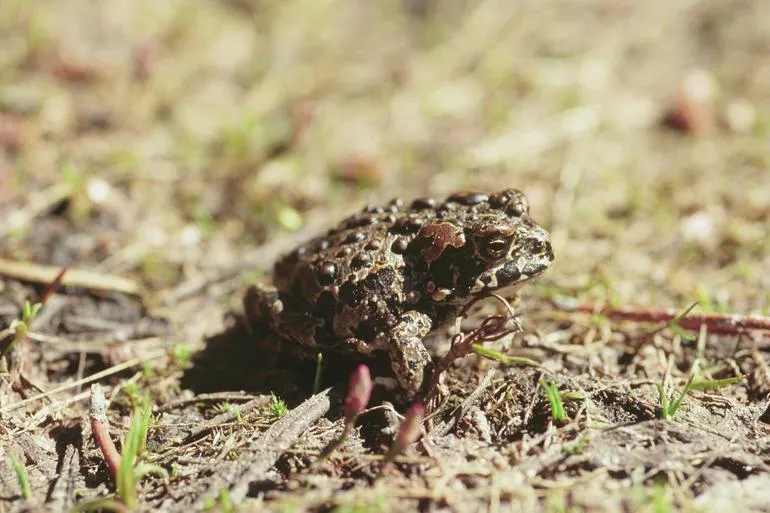
The Arabian toad has a rounded head with prominent eyes and small tympanic membranes. Its dorsum is covered with small warts, coloured grey, tan, brown or green, often with golden speckles, a mottled pattern that helps it blend into gravel and rock in the wadis it favours.
Males are smaller than females, a size difference typical of toads generally, and the easiest way to sex a pair found together. Males announce themselves with a long croak likened to a rusty door hinge, a call distinctive enough to help confirm the species even when it is too dark or too well camouflaged among gravel to see clearly.
Habitat and range
The species turns up wherever permanent or seasonal water sits in an otherwise arid landscape: oases, springs, irrigation ditches, watercourses, ponds and gardens. In the United Arab Emirates it is particularly associated with mountain pools, and it may bury itself in damp gravel in wadis to ride out dry spells between rains. That burying behaviour, combined with its tolerance of altitudes up to about 2,300 m, lets it persist across the full range of microhabitats the Arabian Peninsula’s mountains and coastal plains offer.
Behaviour and breeding
The Arabian toad breeds opportunistically at any time of year in stationary or slow-moving water, rather than keeping to a fixed season, and lays its eggs in strings of black eggs typical of true toads. Between breeding bouts it can aestivate for long periods, sitting out the Peninsula’s dry months buried in gravel or soil. When rain finally falls, toads emerge in large numbers to breed, a boom-and-bust rhythm well suited to a habitat where surface water is unpredictable.
Conservation
The IUCN category is in the facts box above: Least Concern. The species is common where suitable habitat exists, appears able to adapt to a range of habitat types, and faces no identified major threats. Its opportunistic breeding and tolerance of human-modified water sources such as irrigation ditches and gardens likely help it keep pace with an arid and sometimes unpredictable environment.
Similar species
No other Sclerophrys species profile is yet published on this site. Within its Arabian range, the Arabian toad’s rusty-hinge call, warty grey-brown to green dorsum with golden speckles, and close association with oases, wadis and irrigation water are the most useful field marks for separating it from other amphibians sharing the same habitat.