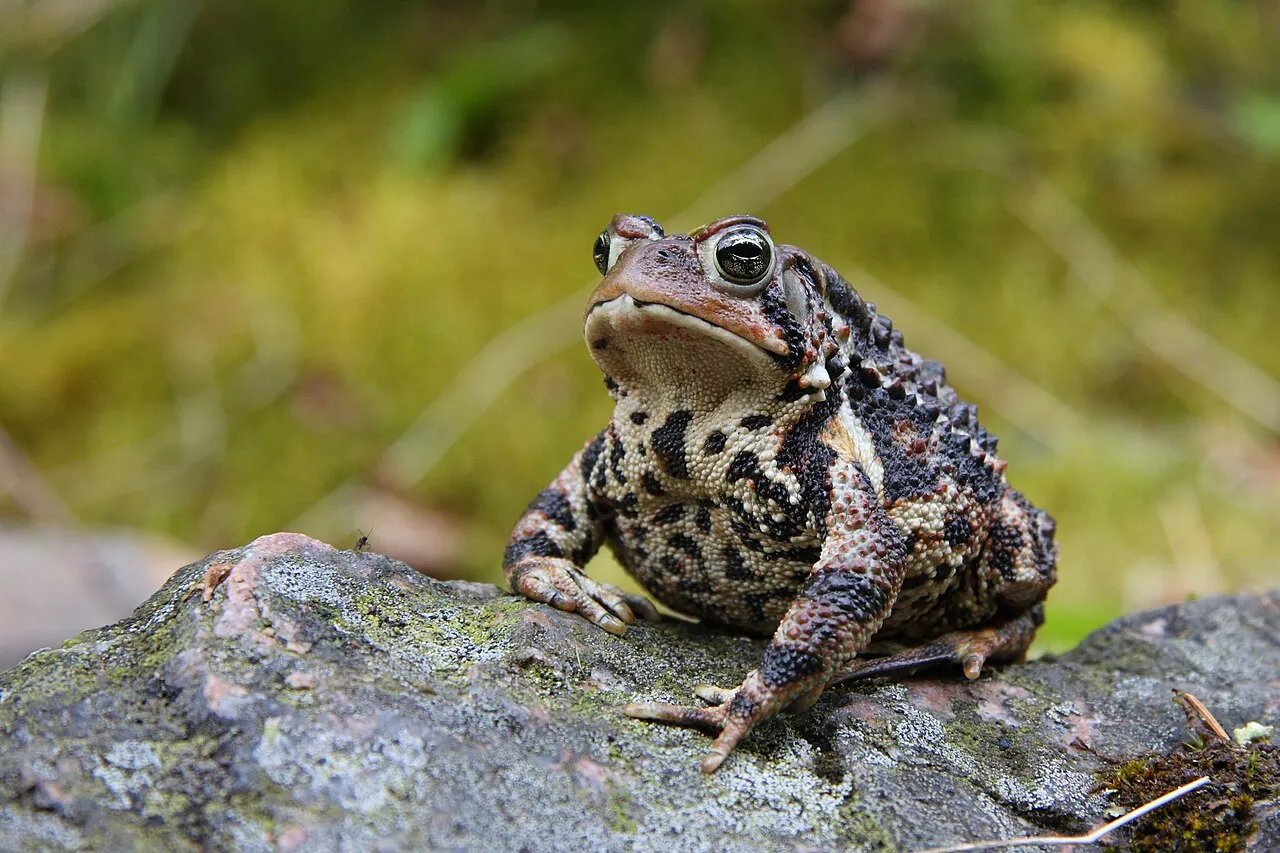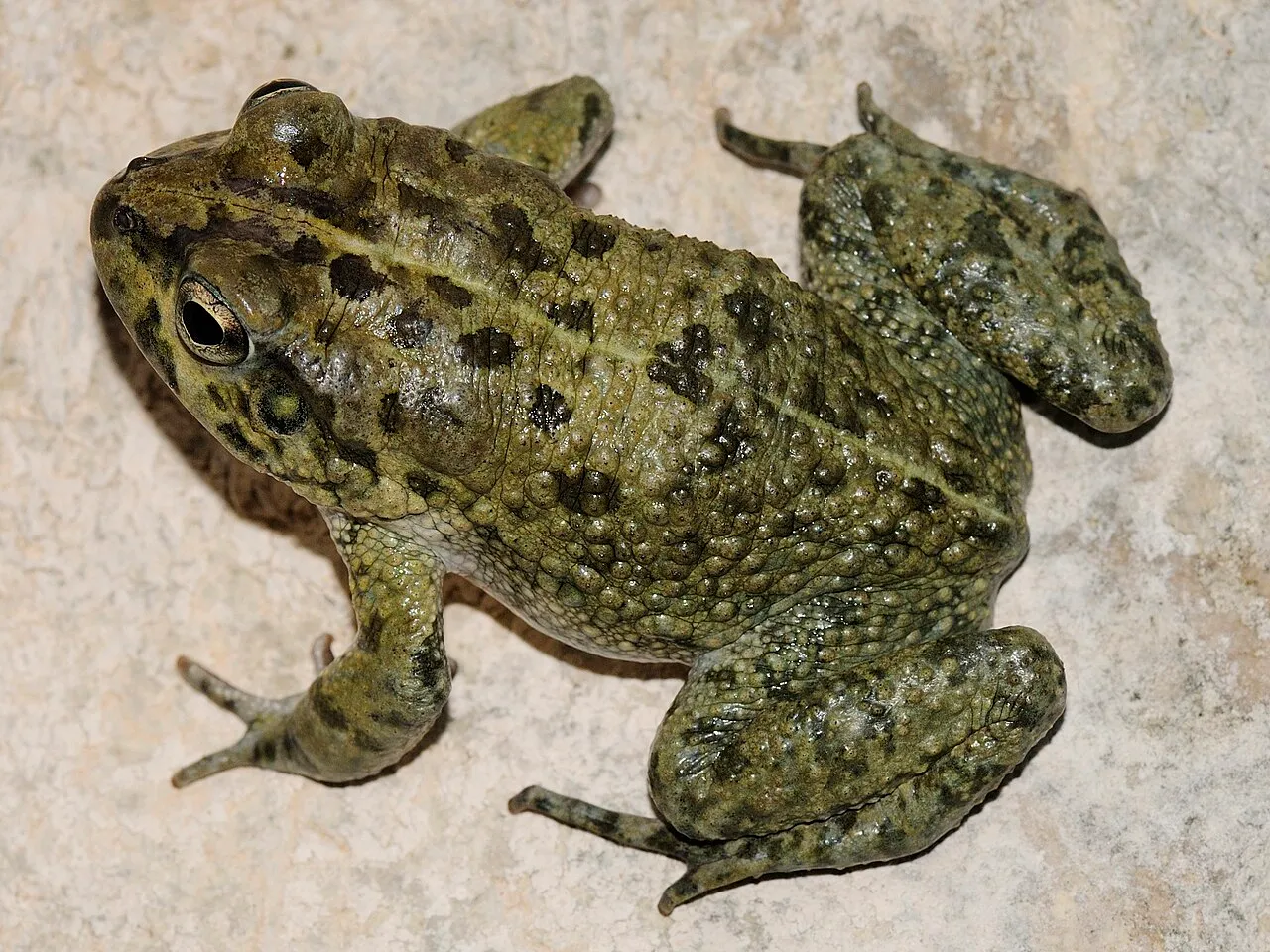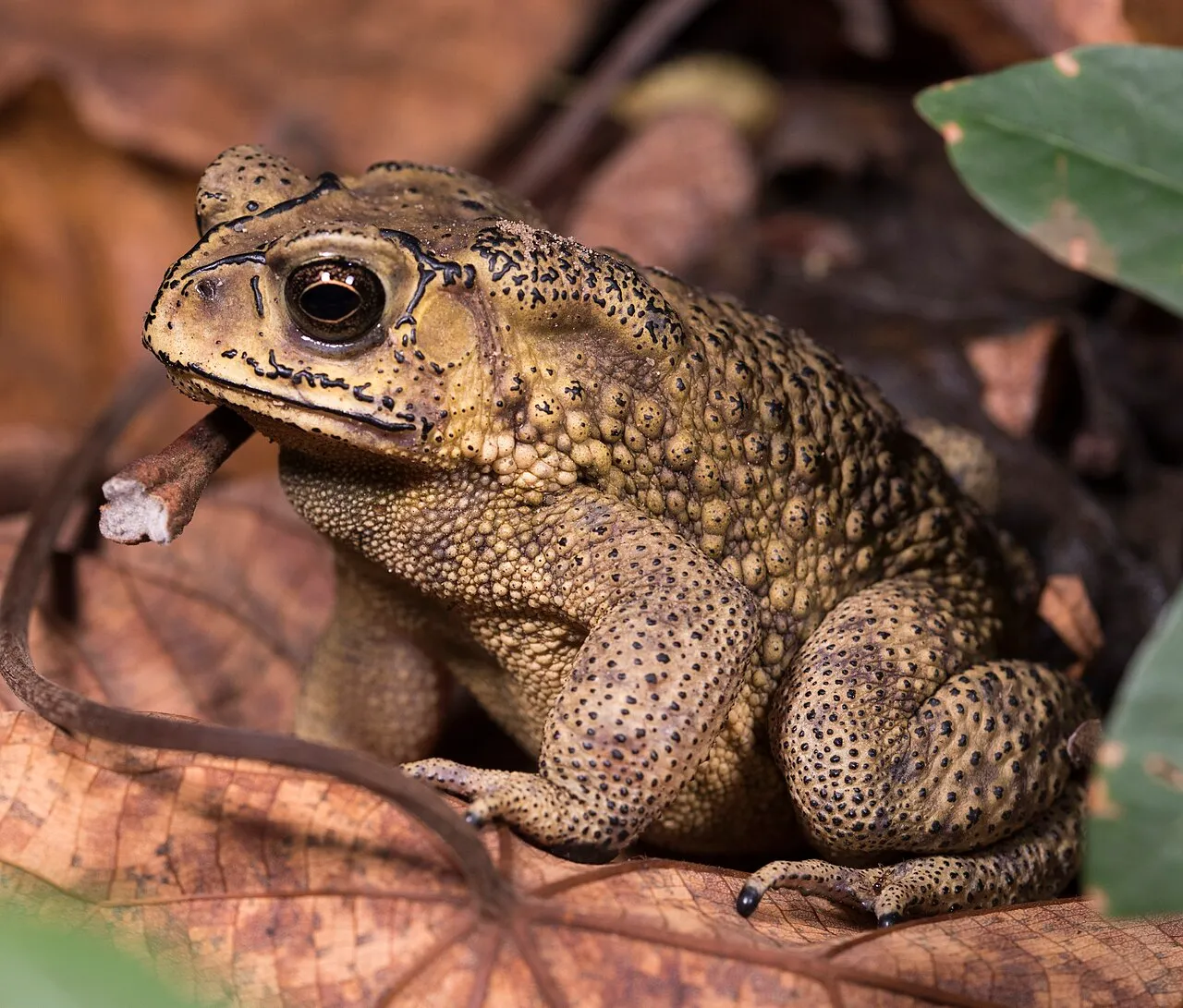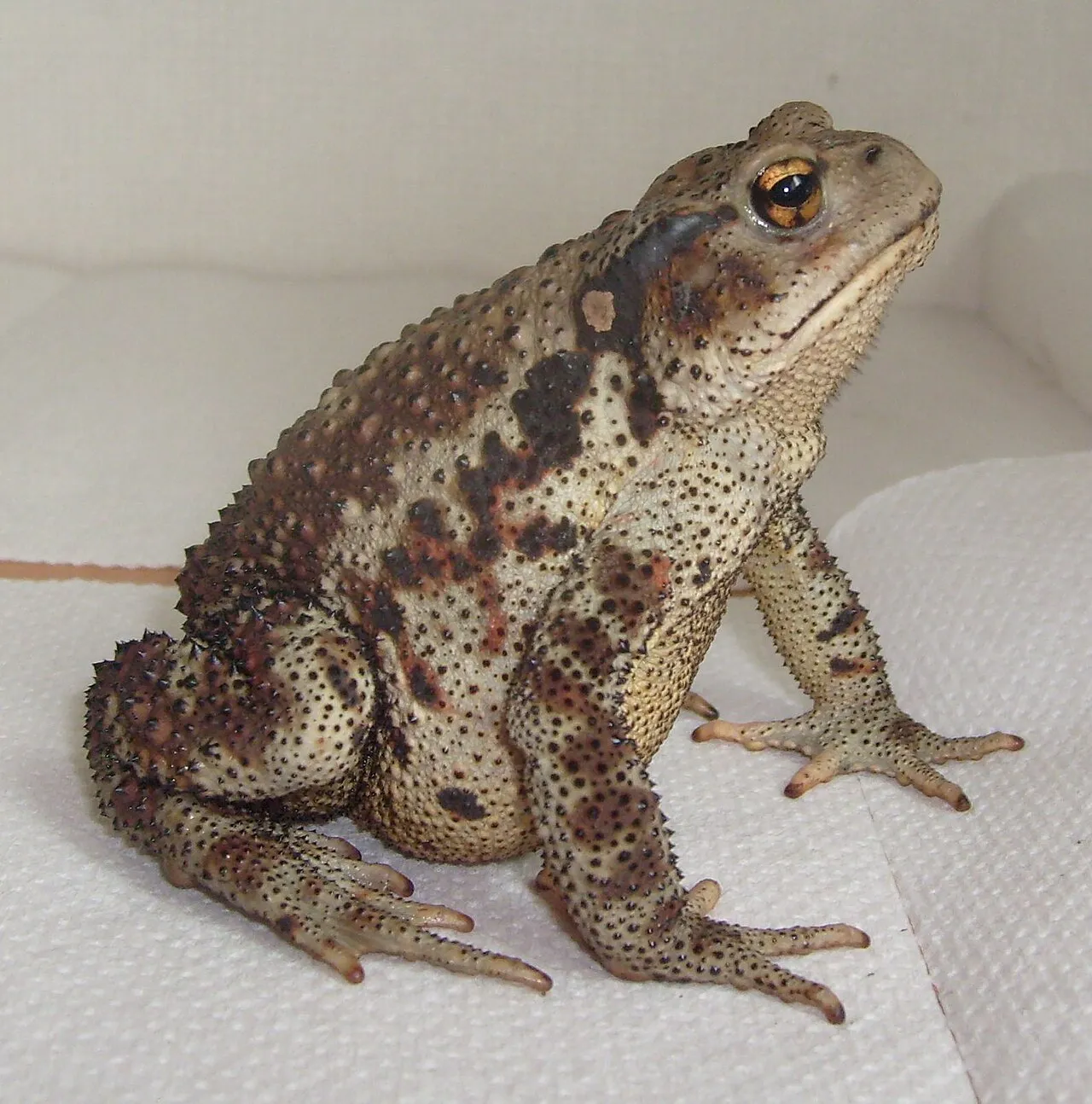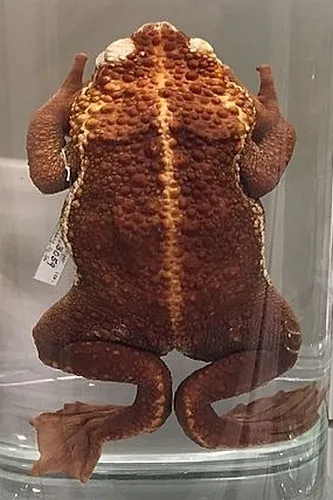
Pseudobufo subasper, also called the false toad, is the single species of Pseudobufo, a monotypic genus of toads in the family Bufonidae. It occurs in the Malay Peninsula, Borneo and Sumatra1, in Indonesia and Malaysia2.
Identification
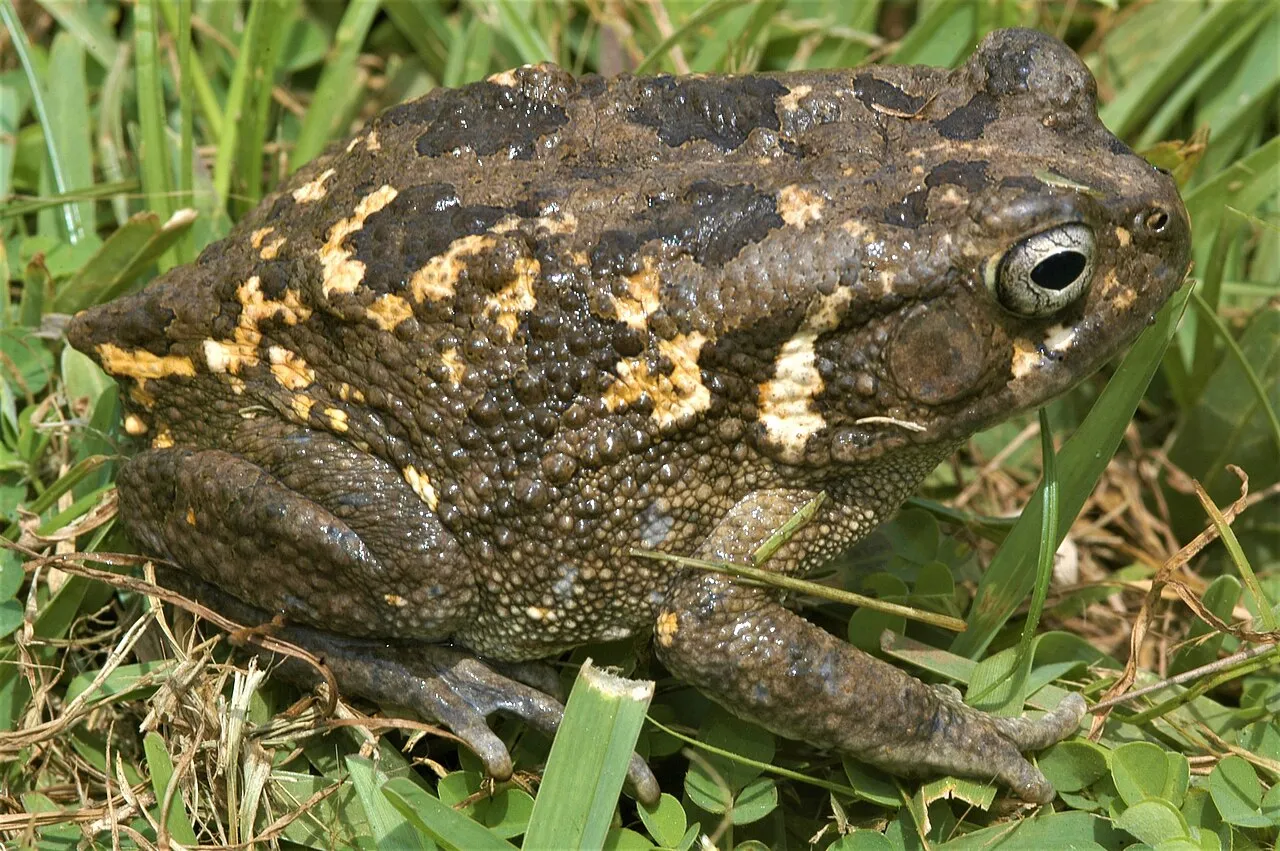
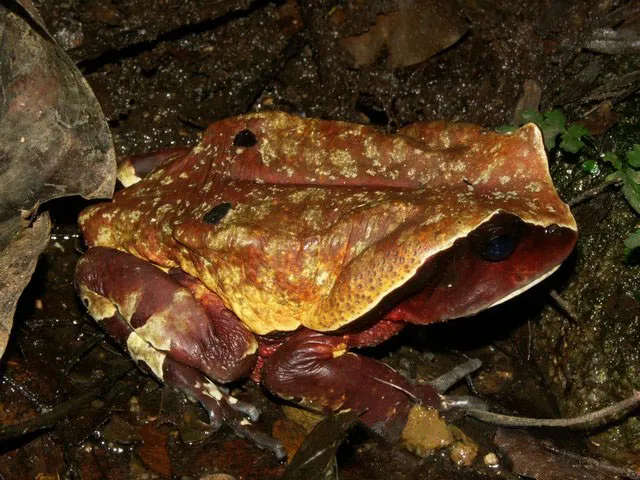
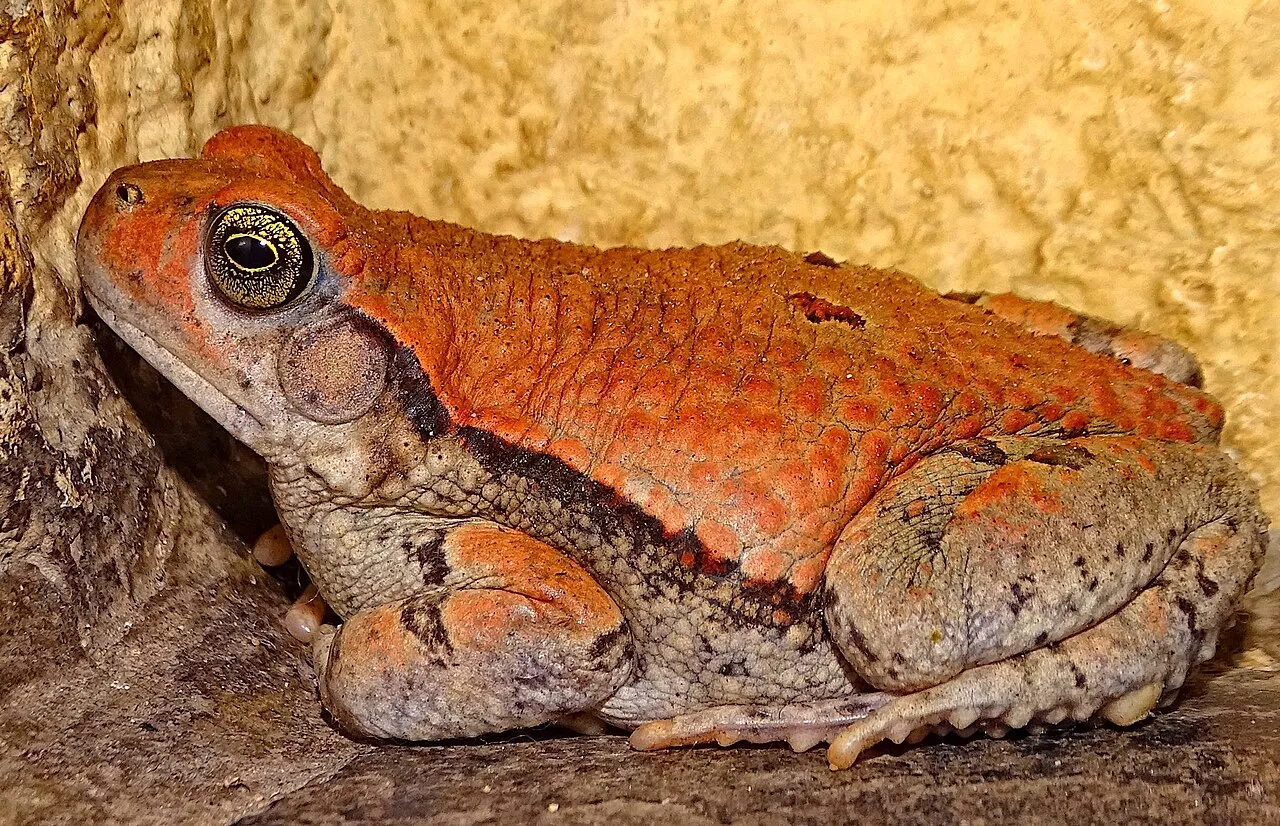
The toads are large: males reach up to 94 mm and females up to 155 mm snout–vent length. The back is brown to dark grey, with a light lateral stripe; a medial dorsal stripe may be present. The body is covered densely with warts, and the head is moderately broad compared to some other toads. Males have a black throat1, which sets them apart from females. The hind feet are fully webbed2.
Habitat and range
Its natural habitats are subtropical or tropical swamps, and it can only be found in peat swamps, where it is closely associated with water2. It lives in close association with pools in coastal peat swamps. On Borneo it has been reported for Kalimantan, and its distribution there seems to be restricted; the toads are more easily seen in some parts of the Malay Peninsula1.
Behaviour
The species has pronounced aquatic habits. Its aquatic life-style, lethargic habits and camouflage coloration1 make the toads difficult to find.
Conservation
The IUCN Red List places it in the category Least Concern3, in an assessment from 2020. It is threatened by habitat loss in Indonesia and the international wildlife pet trade2.