- Introduction: Meeting Telmatobufo australis
- Taxonomy and Classification
- Natural Habitat: A World Among Streams and Shadows
- Physical Characteristics and Adaptations
- Behavior and Life Cycle: Silent Lives, Remarkable Stories
- Ecological Role: Integral Links within the Forest Web
- Threats and Conservation Status: Fighting for Survival
- Cultural and Scientific Significance: Symbols of the Southern Wilderness
- Conclusion: Advocating for a Fragile Amphibian Legacy
Introduction: Meeting Telmatobufo australis#
Hidden amidst the lush forests, mist-shrouded ravines, and crystal-clear streams of southern Chile thrives a unique and mysterious amphibian—a creature whose very existence echoes the ancient rhythms of Patagonia’s wild landscape. This creature is Telmatobufo australis, commonly known as the Southern Darwin’s Frog or “Rana del sur,” an elusive species cherished by biologists and naturalists alike for its intriguing life habits and remarkable adaptations.
Telmatobufo australis captivates observers not just with its distinctive features and secretive behaviors but also as a living emblem of Chile’s unique biodiversity. Within its quiet amphibian charm lies the fragile pulse of an ecosystem threatened by human encroachment, highlighting severe challenges faced by many rare species today. Perhaps the most striking fact about this remarkable frog is that, despite over a century of scientific recognition, it remains deeply enigmatic, its secretive nature getting even seasoned researchers scrambling through dense foliage to catch the smallest glimpse.
Taxonomy and Classification#
Telmatobufo australis belongs to the family Calyptocephalellidae, a small, evolutionarily distinct group of frogs endemic to South America. Within this lineage, the genus Telmatobufo comprises just four known species, each holding precious evolutionary stories—relics from ancient forested times hiding deep in South Chile’s unspoiled streams and marshes.
Described first by Schmidt in 1952, Telmatobufo australis distinguishes itself from closely related species such as Telmatobufo venustus by subtle morphological and behavioral differences. As scientific understanding evolves, taxonomists continue to study its genetic traits and evolutionary relationships, providing critical insights into South American amphibian diversity.
Natural Habitat: A World Among Streams and Shadows#
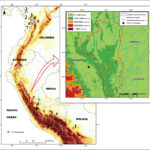
Deep within southern Chile’s Valdivian temperate rainforests, the habitat preferences of Telmatobufo australis become clear—clear-flowing mountain streams shaded beneath a dense canopy of evergreen trees. Primarily residing in the damp, cool understory elevations between roughly 200 to 1,000 meters, the species thrives in areas untouched or minimally disturbed by human influence.
This region harbors an exceptional biodiversity characterized by towering Nothofagus trees (southern beeches), native ferns, and moss-covered rocks. In this pristine environment, Telmatobufo australis carefully selects locations near streams with smooth-running currents and rocky substrates ideal for egg deposition and tadpole survival. Adapted to conditions of high humidity and cool temperatures, they spend daylight hours sequestered in leaf litter or hidden under fallen logs, emerging quietly at night to pursue their prey.
Interaction with Habitat: Forest Guardians#
The habitat of Telmatobufo australis supports a delicate intertwined network of relationships. Healthy populations signal intact, pristine ecosystems and provide critical clues into the overall environmental balance. Their sensitivity to habitat alterations makes them ideal bioindicators, helping ecologists monitor ecosystem health and investigate impacts from climate change.
Without lush, shaded forests or clean streams, populations quickly decline, emphasizing the urgent priority of conserving these ancient forests. Their survival becomes a litmus test indicating the integrity of these wilderness areas, translating the frogs’ quiet nocturnal croaks into a louder conservation narrative.
Physical Characteristics and Adaptations#
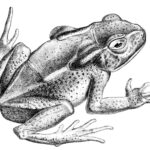
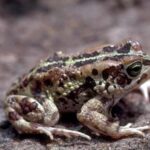
Telmatobufo australis measures roughly 5 to 7 centimeters in length from snout to vent, emerging as robust yet graceful creatures perfectly shaped for their particular ecological niche. Their coloration blends exquisitely with their leafy, wet surroundings—varying shades of brown and olive-green flecked with darker mottled patches offer essential camouflage amid dimly lit forest floors.
The frog possesses smooth, moist skin that allows efficient gaseous exchange crucial to amphibians. Well-developed limbs equipped with adhesive fingerpads ensure an adept grip over moss-covered rocks and slippery leaf litter, while muscular hind limbs provide the power to leap gracefully when threatened.
Perhaps their most defining characteristic is their cryptic coloration, an adaptation fine-tuned across millennia to evade predators such as snakes, birds, or mammals. Combined with highly sensitive vision and subtle movements, Telmatobufo australis can vanish instantly—transforming mere glimpses of green and brown into ghostly echoes among the forest shadows.
Behavior and Life Cycle: Silent Lives, Remarkable Stories#
Feeding Behavior: Nighttime Hunters#
Like many frogs, Telmatobufo australis maintains a carnivorous diet composed primarily of insects, spiders, and small arthropods. Their nocturnal habits lead to stealthy, secretive hunts beneath moonlit canopies, catching prey swiftly with a lightning-fast flick of their specialized tongue. They perch silently near running water, awaiting vulnerable invertebrates, blending seamlessly with surrounding leaf litter, where patience proves an invaluable predatory trait.
Reproductive Strategies: A Unique Tale of Egg-Laying#
Merely witnessing the breeding behavior of Telmatobufo australis comes with exceptional fortune as these events unfold quietly during Chile’s rainy season. Females deposit strings or small clusters of gelatinous eggs, carefully attached beneath submerged rocks or debris in clear streams. Their eggs require pristine water conditions free from pollutants and disruptive sediment loads, conditions increasingly scarce and threatened by human activity despite their remote locations.
Larval Development and Metamorphosis#
Tadpoles spend several months growing steadily within cool freshwater streams, adapting gradually towards terrestrial adulthood. These larvae, remarkably well-camouflaged among streambed gravels and plant debris, scrape algae and tiny aquatic organisms for nourishment. Eventually, they transform into fully terrestrial adults—a milestone underscoring amphibious complexity, marked by radical physiological refinements as lungs and legs develop alongside terrestrial habits.
Ecological Role: Integral Links within the Forest Web#
Medicinal plants and charismatic mammals may captivate greater attention, yet the humble Telmatobufo plays a pivotal role in southern Chile’s ecological web. As both predator and prey, they balance arthropod populations while simultaneously feeding larger predators like snakes and birds. Furthermore, as reliable ecological indicators, biologists often refer to their presence (or troubling absence) when gauging habitat viability and health.
Their disappearance from previously inhabited areas thus raises immediate ecological alarm bells, warning scientists and conservationists alike that entire ecosystems could potentially collapse, prompting swift corrective conservation actions toward habitat protection and pollution reduction.
Threats and Conservation Status: Fighting for Survival#
Today, the International Union for Conservation of Nature (IUCN) classifies Telmatobufo australis as Vulnerable, highlighting significant conservation concern caused primarily by habitat degradation, logging, water pollution, agricultural run-offs, and introduced invasive species. Particularly concerning is habitat fragmentation, breaking their natural range apart and isolating smaller populations, gravely reducing genetic exchange and long-term viability.
Climate change further exacerbates pressure upon these delicate amphibians through shifting rainfall patterns and increasing drought frequencies, disrupting seasonal breeding triggers. Conservationists actively strive toward habitat restoration, strict protection of primary forests, and ecological monitoring initiatives to safeguard their fragile future.
Cultural and Scientific Significance: Symbols of the Southern Wilderness#
While lesser-known internationally compared to their relative, the Darwin’s Frog (Rhinoderma darwinii)—famous for its curious mouth-brooding behaviors—Telmatobufo australis remains symbolically significant within Chilean natural heritage, emblematic of Patagonia’s wilderness integrity. They symbolize ecological purity and encapsulate southern Chile’s cultural reverence toward intact natural environments.
Scientific studies involving these frogs contribute valuable insights into evolutionary biology, amphibian physiology, and broader ecology, informing assessments on broader environmental policies affecting not only amphibian protection but entire ecosystem management practices.
Conclusion: Advocating for a Fragile Amphibian Legacy#
Telmatobufo australis remains a compelling ambassador for conservation efforts, highlighting intimately how dependent Chilean biodiversity remains upon pristine wilderness conditions. Their ongoing survival depends heavily upon our decisions today—whether prioritizing habitat preservation, supporting local conservation initiatives, or educating communities on thoughtful ecological stewardship.
By paying attention to this remarkable frog, we collectively amplify drowning calls for conservation—not just to rescue a single notable species but protecting entire delicate ecosystems teeming with life. Let Telmatobufo australis remind us all that hidden beneath forests’ quiet shadows, untold wonders indeed perseveringly await our mindful protection.
Support local conservation efforts and learn more about protecting Chile’s unique wildlife.