- Introduction: The Enigmatic Sabahphrynus maculatus
- Taxonomy and Classification
- Natural Habitat: Life along Borneo’s Lush Mountain Streams
- Physical Characteristics: A Masterpiece of Camouflage and Adaptation
- Behavior and Life Cycle: Secrets of the Streamside Amphibian
- Ecological Role: Guardians of Biodiversity Indicators
- Threats and Conservation Status: Navigating an Uncertain Future
- Cultural and Scientific Significance: Amphibian Ambassadors
- Conclusion: Protecting Sabah’s Secretive Amphibians
Introduction: The Enigmatic Sabahphrynus maculatus#
Tucked away in the dense, verdant rainforests of Borneo, the Sabahphrynus maculatus (commonly known as the Spotted Stream Toad) lives a quiet, intricately woven existence. Primarily found in the Malaysian state of Sabah, nestled on Borneo’s northern tip, this elusive amphibian captivates nature enthusiasts and herpetologists alike. Far from being another ordinary rainforest amphibian, this distinctive, spotted toad embodies the wonders and complexities hidden within the island’s rich biodiversity.
Bearing the scientific name Sabahphrynus maculatus, it is a relatively enigmatic species still unraveling its secrets to scientists. Its distinctive spotting, secretive habits, and specialized habitat requirements make it particularly interesting to researchers and conservationists keen on uncovering the intricacies of Southeast Asia’s diverse ecosystems.
Taxonomy and Classification#
Sabahphrynus maculatus belongs to the family Bufonidae, commonly known as true toads, though it defies the stereotypical traits we might associate with its relatives. Initially described scientifically only recently, this species is categorized within the genus Sabahphrynus, which was established specifically due to unique genetic and morphological traits distinct from other stream toads.
The diversity within Bufonidae is nothing short of extraordinary, comprising over 500 species distributed worldwide. However, Sabahphrynus maculatus holds particular significance due to its geographically constrained range and ecological specialization, setting it apart from most broadly distributed toads and even closely related regional species.
Natural Habitat: Life along Borneo’s Lush Mountain Streams#
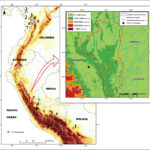
The lush rainforests of northern Borneo provide an extraordinary backdrop for the secretive existence of Sabahphrynus maculatus. Predominantly spotted in Sabah’s mountainous regions, this amphibian thrives in pristine primary rainforests near clean, fast-flowing freshwater streams. Primarily confined to elevations ranging from 500 to 1500 meters, these environments offer ideal conditions of moisture, humidity, and moderate temperatures that sustain the delicate amphibian life cycle.
These densely canopied habitats, bathed in constant mist and rainfall, create microhabitats perfectly attuned to their needs. Fallen leaf litter along stream banks, partially submerged logs, moss-covered stones, and rocky streambed pools form integral elements of their day-to-day lives. These amphibians often shelter in damp substrata and under rock crevices during daylight, making any sighting a rare privilege.
The very existence of Sabahphrynus maculatus illustrates a delicate ecological balance. It relies heavily upon pristine, uncontaminated waters, sensitive soil layers, and the lush vegetative cover of intact forests—a requirement that underscores its critical role as an indicator species, reflecting the ecological health of its habitat.
Physical Characteristics: A Masterpiece of Camouflage and Adaptation#
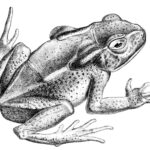
At first glance, Sabahphrynus maculatus reveals itself as a creature marvelously adapted for its environment. Typically small, adults rarely exceed 35 mm in length, placing it comfortably among the smaller-sized Bufonidae found in the region. Their bodies showcase compact, rounded shapes ideally suited to their cryptic, secretive lifestyles.
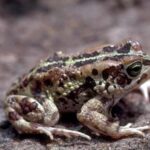
Most striking, however, is their coloration and intricate patterns. Individuals display a remarkable array of blotches and spots, predominantly shades of brown, olive green, tan, and reddish hues. These striking, speckled patterns seamlessly blend with the dappled forest floor of leaf litter, stones, and wet earth—nature’s exceptional camouflage at work.
Beyond aesthetics, these patterns provide essential protective camouflage against predators, turning the tiny amphibians virtually invisible in their natural habitat. Skin texture is distinctively granular and somewhat wart-covered, an adaptation potentially aiding both in protective coloring and moisture retention necessary for survival under tropical conditions.
Behavior and Life Cycle: Secrets of the Streamside Amphibian#
Feeding Habits: Quiet Predators of the Rainforest Floor#
Sabahphrynus maculatus feeds predominantly on small arthropods, including ants, beetles, flies, and spiders. Equipped with keen eyesight adapted for hunting in dim light, they rely on stealth rather than prolonged pursuit. Predation is often a quiet, swift affair—waiting patiently hidden beneath leaves or between moist rocks, consuming insects that venture close enough.
Breeding Behaviors and the Lifecycle#
Reproduction in Sabahphrynus maculatus remains a rarely documented phenomenon. However, what scientists have observed presents captivating insights into their breeding habits. The breeding season typically correlates with intense seasonal rainfalls prompting heightened activity along stream margins.
Male Sabahphrynus maculatus congregate near these streams, emitting soft yet distinctive mating calls—subtle trills and chirps that echo gently through the dense vegetation. Females are drawn toward these sounds, leading to courtship interactions culminating in egg deposition.
Egg clutches are deposited as gelatinous masses beneath submerged leaves or attached to rocks in shallow, slow-moving areas of mountain streams. Tadpoles emerge after a relatively short incubation period, highly adapted for life in swiftly moving freshwater. These tadpoles exhibit streamlined, flattened bodies capable of clinging onto and maneuvering among rocks, minimizing currents’ force, and gradually developing limbs and terrestrial features to eventually tramp up onto forested banks. The entire process showcases finely tuned evolutionary adaptations to mountain stream environments.
Ecological Role: Guardians of Biodiversity Indicators#
Often overlooked in ecosystems teeming with charismatic megafauna, amphibians like Sabahphrynus maculatus silently reflect the subtle shifts in environmental health and biodiversity balance. They function as critical indicators within their habitats, sensitive to shifts in water purity, climate fluctuations, and habitat degradation—thus signaling broader ecosystem concerns long before more noticeable species are affected.
Additionally, their role as insect predators plays a crucial regulatory function, helping maintain balanced arthropod populations that, if left unchecked, could otherwise result in agricultural pests outbreaks or ecosystem imbalances. In turn, Sabahphrynus maculatus itself becomes prey to numerous predators including snakes, bird species, and small mammals, therefore supporting biodiversity from below in the food chain upward.
Threats and Conservation Status: Navigating an Uncertain Future#
Presently, Sabahphrynus maculatus is classified as ‘Data Deficient’ by the International Union for the Conservation of Nature (IUCN). The limited understanding of its populations, range, and ecology hampers concrete conservation measures. Nevertheless, several inherent threats place the species at potential risk.
Habitat Loss and Fragmentation#
Deforestation driven by logging, agricultural expansion (especially palm oil plantations), and infrastructural developments pose severe threats to species dependent on intact rainforest habitats. Fragmentation disrupts populations, limits genetic diversity, and drastically alters local microclimates crucial to amphibian survival.
Climate Change Impacts#
Rising global temperatures and changing precipitation patterns notably affect moisture-dependent amphibians. The increased frequency of extreme weather events, prolonged droughts interspersed with torrential downpours, drastically alters stream dynamics that aid breeding and larval development.
Conservation efforts must begin by strengthening knowledge about distribution, population size, ecology, and threats. Protecting intact rainforest habitats, creating ecological corridors, and managing freshwater bodies sustainably become pressing imperatives for preserving Sabahphrynus maculatus.
Cultural and Scientific Significance: Amphibian Ambassadors#
While Sabahphrynus maculatus lacks the direct cultural symbolism found in larger, charismatic species, its scientific importance holds immense value. Researchers view Sabah’s amphibians as key bioindicators, helping us monitor and understand ecological changes, climate impacts, and habitat health.
Continued research on species such as Sabahphrynus maculatus benefits broader scientific studies of evolution, bioindicator application, and even novel chemicals secretion studies—potentially paving the way for pharmacological innovations.
Conclusion: Protecting Sabah’s Secretive Amphibians#
Sabahphrynus maculatus represents far more than a small spotted toad prowling stream banks; it embodies the delicate equilibrium holding nature’s puzzle pieces in place—each priceless and essential in its contribution to biodiversity. Conserving it safeguards intricate rainforest ecologies and gives voice to the myriad silent, hidden species thriving beneath rainforest canopies.
Understanding, respecting, and protecting Sabahphrynus maculatus, and species alike, remains deeply interwoven with preserving Borneo’s wondrous ecological tapestry. Readers are urged to support conservation initiatives, educate others, and explore the hidden wonders that small creatures embody, reinforcing the essential truth: every creature matters.