- Introduction: An Enigmatic Amphibian Amidst Sumatran Forests
- Taxonomy and Classification: Unraveling the Identity of <em>Sigalegalephrynus mandailinguensis</em>
- Natural Habitat: Life Among Sumatra's Clouded Peaks and Lush Rainforests
- Physical Characteristics: Camouflaged for Equal Parts Survival and Beauty
- Behavior and Life Cycle: Quiet Lives Filled with Fascinating Complexity
- Ecological Role: Guardians of Ecosystem Integrity
- Threats and Conservation Status: Navigating the Challenges of Extinction Risks
- Cultural and Scientific Significance: A Species Igniting Wonder and Discovery
- Conclusion: A Call to Protect Sumatra’s Amphibian Wonders
Introduction: An Enigmatic Amphibian Amidst Sumatran Forests#
Hidden amongst the dense, emerald foliage of Sumatra’s rugged forests lives a creature whose very existence was unknown until recent times. Bearing the melodious scientific name Sigalegalephrynus mandailinguensis, this fascinating toad species symbolizes the beauty and mystery of amphibian biodiversity, quietly inhabiting remote, rain-drenched habitats rarely trodden by human feet.
Named after its unique discovery near the Mandailing Natal Regency of North Sumatra, this rainforest-dwelling toad represents a thrilling discovery in zoological science, underscoring the critical importance of continued research in these remote ecosystems. As one of nature’s subtle wonders, the story of S. mandailinguensis offers glimpses into a specialized life adapted to the island’s warm, humid, and biologically vibrant world.
Taxonomy and Classification: Unraveling the Identity of Sigalegalephrynus mandailinguensis#
The intriguing amphibian Sigalegalephrynus mandailinguensis is classified within the family Bufonidae—commonly known as true toads—renowned for their dry, granular skin and often terrestrial lifestyles. Unique among relatives, S. mandailinguensis occupies its own distinct genus, Sigalegalephrynus, a testament to its specialized morphology and evolutionary isolation on Sumatra’s landscape.
Taxonomic investigations into genetic and morphological characteristics suggest close evolutionary relationships with other Southeast Asian bufonids, yet subtle physical distinctions demanded a separate taxonomic placement. Its recent classification highlights the continuous discovery potential within regions like Indonesia, resonating the urgency of preserving habitats yet largely unknown to science.
Natural Habitat: Life Among Sumatra’s Clouded Peaks and Lush Rainforests#
A Discrete Range#
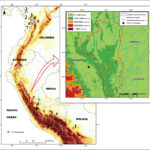
The exclusivity of Sigalegalephrynus mandailinguensis lies not only in its biology but also its precise natural home. It is strictly endemic to the mountainous rainforests of North Sumatra, Indonesia, notably around the Mandailing Natal region. Here, isolated habitats shaped by rolling hills, cloud-capped ridges, and thick forest canopies offer a near-perfect sanctuary for this elusive creature, shielding it from the wider world’s disturbances.
A Rainforest Refuge#
Occupying humid, shaded environments characterized by rich leaf litter, moss-covered rocks, and gentle streams, this toad has finely adapted to the subtleties of life in dim, lush habitats. Within these environments, the air hums constantly with the chatter of insects, cascading streams trickle gently between shaded stones, and the fragrance of moist earth evokes a primal connection with the natural world—a realm fitting perfectly for an organism evolved for secrecy, camouflage, and quiet observation.
Microhabitats within these forests offer precise niches for feeding, nesting, and sheltering from predators. The dense cover provides stable humidity necessary to maintain amphibian moisture levels critical for survival. Adjusted over millennia, the biology and behavior of S. mandailinguensis reflect exquisite harmony with each facet of this unique tropical ecosystem.
Physical Characteristics: Camouflaged for Equal Parts Survival and Beauty#
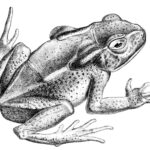
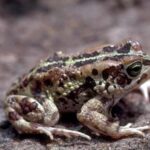
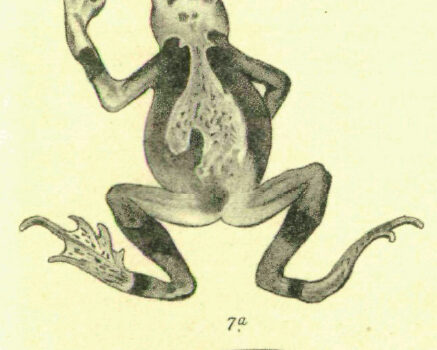
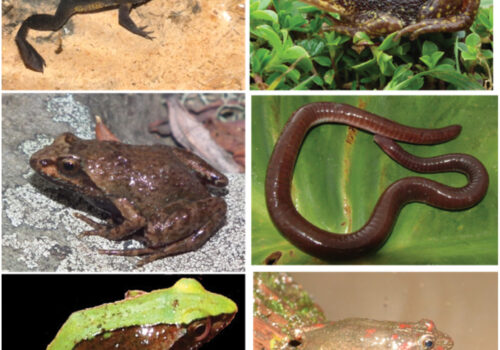
Measuring a modest 3-4 centimeters in length, S. mandailinguensis embodies subtle elegance rather than striking color displays. Its skin, adorned by roughened granular textures, exhibits a rich palette of browns—from soft tawny hues to deeper chocolate colors—accompanied by specks and subtle patterns ideally suited for blending with the forest floor’s leaf litter.
Eyes of copper or gold glint alertness and quiet intelligence amid the half-light beneath towering canopies. Often overlooked, yet mystifying upon discovery, its appearance seamlessly integrates with the surrounding environmental tapestry, exemplifying the evolutionary arms race toward inconspicuousness—a built-in defense against vigilant predators such as snakes, birds, and small mammals.
Behavior and Life Cycle: Quiet Lives Filled with Fascinating Complexity#
The Art of Silent Hunting#
Though diminutive, S. mandailinguensis exemplifies keen hunting prowess. This amphibian spends twilight hours actively prowling for food, mainly feeding on an assortment of insects, spiders, and other small invertebrates abundant within its rainforest habitat. With patient stealth, the toad carefully approaches prey, then swiftly lunges forward, utilizing a rapid and sticky tongue strike—precision evolved after countless generations of perfected predator-prey interactions.
A Subtle Mating Strategy#
Beneath silvery moonlight filtering through dense branches, males emit soft, resonating croaks to woo females toward hidden breeding sites, typically involving shallow forest pools or gentle stream edges. The courtship rituals are discreet yet intensely competitive, with each male attempting to demonstrate strength and suitability through vocal aptitude, notably attentive to the damp humidity that enhances sound travel through the thick forest air.
Egg deposition typically occurs in small strings or clusters within sheltered aquatic environments, ensuring safe conditions for developmental stages. Tadpoles emerge as fragile, dark-bodied swimmers—initially vulnerable yet quickly learning to seek deeper cover beneath submerged foliage or shaded banks. Through gradual metamorphosis, these tadpoles transform into miniature replicas of adults, inheriting both camouflage and secretive behavioral instincts.
Ecological Role: Guardians of Ecosystem Integrity#
As part of Sumatra’s web of life, Sigalegalephrynus mandailinguensis fulfills indispensable ecological roles. Beyond regulating insect populations, thus preventing unchecked growth and limiting potential pest outbreaks, the species also serves as vital prey items for larger rainforest carnivores. Their presence or absence provides biological indicators signaling the health and integrity of their rainforest habitats, underscoring the interconnectedness within complex forest ecosystems.
Reflecting overall forest health, fluctuations in their populations cue conservationists toward broader environmental problems, potentially guiding timely intervention and targeted conservation efforts.
Threats and Conservation Status: Navigating the Challenges of Extinction Risks#
The remoteness providing sanctuary for this species cannot completely shield it from human-made threats. Habitat loss from deforestation and agriculture, contamination from pesticides, climate shifts altering rainfall patterns, and invasive pests or even diseases such as chytridiomycosis—a fungal epidemic devastating amphibians worldwide—represent profound dangers. Though its definitive conservation status awaits thorough population assessment by international entities such as the IUCN, scientists express cautious concern regarding its vulnerability and potential rapid declines.
Fortunately, increased awareness, coupled with protective legislation and the establishment of protected areas, offers promising conservation pathways. Local conservation organizations within Indonesia continue habitat monitoring, emphasizing safeguarding critical zones…
Cultural and Scientific Significance: A Species Igniting Wonder and Discovery#
The discovery of Sigalegalephrynus mandailinguensis caught international attention, rekindling excitement into exploration and biodiversity documentation. Importantly, its name lovingly honors local culture; “Sigalegale” references the traditional Mandailing wooden puppet dolls representing ancestral spirits, symbolizing local appreciation for this creature’s mystery and reverence toward biodiversity.
Scientifically, emerging research on such recently discovered species enhances understanding of amphibian ecology, disease resistance, and evolutionary biology. Each new insight from these enigmatic animals carries implications reaching beyond mere curiosity, informing broader conservation strategies around the globe.
Conclusion: A Call to Protect Sumatra’s Amphibian Wonders#
The enchanting tale of Sigalegalephrynus mandailinguensis reminds us vividly of the beauty hidden in the tropical forests and further emphasizes why active conservation matters. Protecting this toad—symbolizing unique biodiversity, ecological balance, and cultural heritage—is no mere academic pursuit. It is an urgent call to uphold stewardship towards amphibians, toward nature, and ultimately, toward our shared planet.
Let us support informed conservation practices, raise awareness, and continue learning more. By protecting creatures like S. mandailinguensis, we ensure that future generations inherit a world filled not only with wonder but abundant biodiversity.