- Sclerophrys togoensis: Discovering the Elusive and Vital West African Forest Toad
- Taxonomy and Classification of Sclerophrys togoensis
- Natural Habitat: An Amphibian of West African Rainforests
- Physical Characteristics: Camouflage, Colors, and Survival Strategies
- Behavior and Life Cycle: Complex Lives Under Forest Canopies
- Ecological Role: Vital Players in Rainforest Food Webs
- Threats and Conservation Status: Safeguarding Forest Amphibians
- Cultural and Scientific Significance: The Amphibian Ambassador
- Conclusion: Protecting An Unsung Guardian of West African Forests
Sclerophrys togoensis: Discovering the Elusive and Vital West African Forest Toad#
In the lush, rain-drenched forests of West Africa, how many secrets lie hidden among the leaf litter and beneath tangled roots? One such hidden gem is the remarkable, yet seldom-seen amphibian known as Sclerophrys togoensis. Affectionately termed the “Togo Toad,” this intriguing species thrives in habitats many consider inhospitable, playing a crucial role within a web of life that’s rich with interdependence and diversity. But what exactly is known about this forest-bound creature, and why does its survival bear deeper significance than mere curiosity?
Join us on a venture through the dense canopy shadows and humid understory of West Africa’s tropical realms, as we shine a revealing spotlight upon the natural history, biological uniqueness, and ecological importance of the often-overlooked Sclerophrys togoensis.
Taxonomy and Classification of Sclerophrys togoensis#
To truly appreciate the uniqueness of Sclerophrys togoensis, it’s helpful first to understand its taxonomic placement. As a member of Bufonidae, commonly known as the “true toads,” it belongs to a diverse and widespread amphibian family. The genus Sclerophrys includes many robust, warty-skinned toads predominantly found in Sub-Saharan Africa, noted for their hardy nature and diverse adaptations to varying environments.
First described scientifically under the name Bufo togoensis before reassignment to Sclerophrys, this toad stands out from its relatives because of its specialized adaptation to rainforest habitats, distinct coloration, and particular ecological preferences. Despite sharing overarching family traits, the Togo Toad boasts unique evolutionary adaptations making it an important subject of study in herpetological research.
Natural Habitat: An Amphibian of West African Rainforests#
Geographical Distribution and Range#
Found primarily in the lush forests spanning portions of Ghana, Togo, Guinea, Liberia, Côte d’Ivoire, and Nigeria, the presence of Sclerophrys togoensis is intimately tied to undisturbed, moist lowland rainforest environments. Within these dense, subtle habitats, the Togo Toad reveals itself sparingly, preferring secluded and shaded microhabitats below the thick foliage canopy—remaining largely undiscovered to casual observers.
Habitat Preferences and Environmental Needs#
What makes the forests so critical to this amphibian’s survival? To capture a glimpse of this toad, one must venture into spaces where humidity hangs thick in the air, where the canopy towers above in evergreen permanence, and where leaf litter blankets the forest floor, providing shelter and sustenance for countless life forms. Here, within damp logs, moss-covered stones, and leaf clusters, Sclerophrys togoensis thrives, capitalizing on the microclimatic stability offered by intact forests.
The habitat choice isn’t arbitrary; the humid understory ensures their permeable skin remains hydrated, essential for gas exchange—a fundamental life process for amphibians. Proximity to freshwater bodies, temporary puddles, small streams, and forest pools further enhances their reproductive success, allowing adults to deposit eggs safely and ensuring optimal development environments for their aquatic larvae.
Physical Characteristics: Camouflage, Colors, and Survival Strategies#
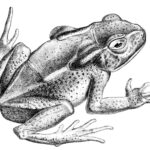
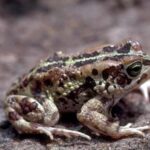
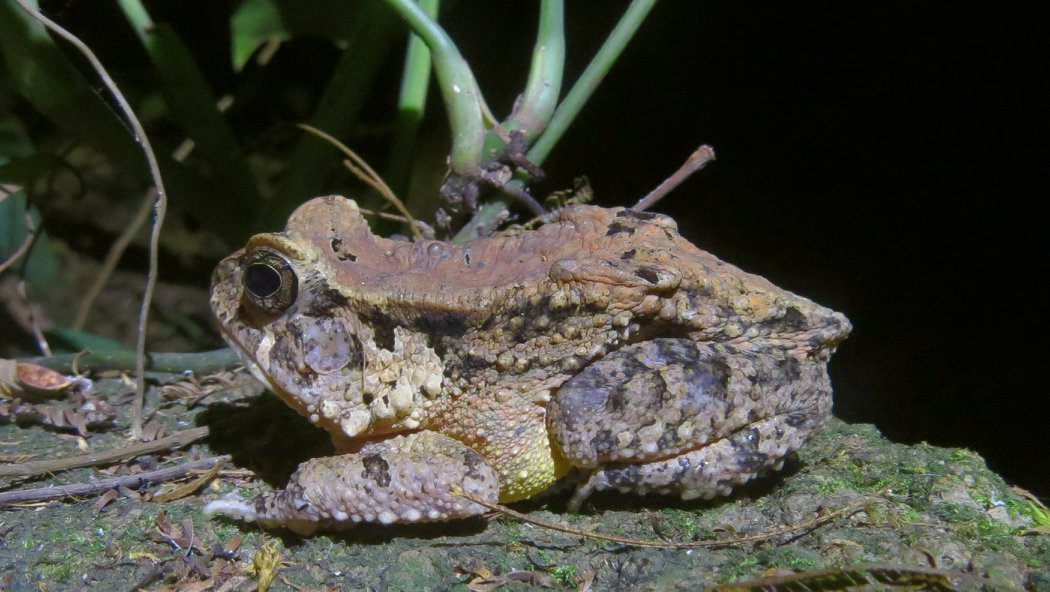
The Togo Toad does not rely on flashy colors or dramatic appearances to draw attention; instead, evolution has favored subtlety and extraordinary camouflage. Adult Sclerophrys togoensis typically showcase patterns of browns, olives, and grays seamlessly blending into the leaf-litter below their feet. These earthy tones aren’t mere coincidence—they serve as critical defense mechanisms against predation, breaking up the toad’s silhouette and making it virtually invisible amongst decomposing leaves and forest debris.
Adult specimens measure about 5–7 centimeters, a modest yet robust build characteristic of toads. Their skin is notably rough, dappled with small, wart-like protrusions which further aid in camouflaging the animal by mimicking the surrounding textured terrain. Their distinctly bulging eyes sit atop their heads, perfectly positioned to survey their surroundings even when the rest of their bodies remain concealed beneath leaves or debris.
Behavior and Life Cycle: Complex Lives Under Forest Canopies#
Feeding Habits – The Ambush Predators of the Forest Floor#
Beneath the layers of fallen leaves exists a thriving world, complete with tiny insects, spiders, and other invertebrates—that’s a world the Togo Toad expertly exploits. Possessed with remarkable patience and stealth, the toad remains motionless, waiting for prey to wander within striking distance. A rapid flick of a sticky tongue instantly captures unsuspecting prey, transforming an ordinary forest scene into a swift act of survival.
Reproduction – From Egg to Adult Amphibian#
The reproductive behavior of Sclerophrys togoensis is closely entwined with the rainy season’s cycles. Males often congregate around temporary water pools or clearings, emitting their unique and softly resonant mating calls—an unmistakable anthem echoing gently through nocturnal forest soundscapes. Females, responding to these nightly serenades, lay batches of gelatinous strings filled with tiny eggs.
Upon hatching, the tadpoles emerge, swimming freely in pools and puddles sustained by the seasonal rainfall. They feed primarily on algae and microorganisms, undergoing dramatic transformations through metamorphosis as legs emerge, tails shrink, and gills give way to lungs. Soon, miniature versions of adult toads climb onto solid ground, ready to embrace the terrestrial life of their forest ancestors before them.
Ecological Role: Vital Players in Rainforest Food Webs#
Although small and often hidden from view, Sclerophrys togoensis plays an indispensable role in maintaining ecological harmony. By feasting upon dense insect populations like ants, beetles, and termites, they naturally regulate populations, curbing overabundance and assisting in nutrient cycling. In turn, these amphibians serve as crucial prey for birds, snakes, and mammals—forming indispensable links within the ecosystem’s delicate trophic structure.
Equally critical is their role as bio-indicators. Owing to their permeable skin and sensitive biology, changes in their health status provide early indicators of forest ecosystem dynamics, warning scientists of pollutants, climate shifts, and other environmental stresses long before human observers might notice.
Threats and Conservation Status: Safeguarding Forest Amphibians#
The dense forests sheltering Sclerophrys togoensis are not immune to global pressures. Deforestation driven by logging, agriculture, expanding human settlements, and resource extraction poses severe threats. Fragmentation and habitat loss directly impact the toad’s life-sustaining microhabitats, threatening overall population viability.
Climate change also looms as an ever-increasing challenge; shifts in rainfall patterns can result in disrupted breeding cycles, diminishing opportunities for successful reproduction and development of tadpoles.
Fortunately, conservation groups and local communities across West Africa have stepped forward, advocating for protected areas, sustainable forestry practices, and targeted amphibian conservation measures. Currently, Sclerophrys togoensis is classified as “Least Concern” by the IUCN, but dedicated monitoring remains essential to swiftly respond to emerging threats before populations become critically endangered.
Cultural and Scientific Significance: The Amphibian Ambassador#
Beyond its ecological importance, the Togo Toad holds symbolic cultural value in local legend and storytelling. Traditional folklore often associates amphibians with water, fertility, regeneration, and renewal. For researchers, each study of these toads grants valuable insights into evolutionary adaptation, forest ecology, and important indicators of environmental health.
Conclusion: Protecting An Unsung Guardian of West African Forests#
Sclerophrys togoensis inhabits a quiet yet indispensable niche. As stewards of biodiversity, it is imperative we understand, appreciate, and conserve seemingly small and obscure animals like this forest toad. The health of our planet is intricately woven together, species by species.
Let the intriguing life of the Togo Toad inspire community conservation, environmentally conscious actions, and a renewed appreciation for the complex web of life thriving quietly beneath the leafy canopies of West Africa’s forests—forests which shelter incredible creatures, large and small, and indeed sustain us all.