Sclerophrys kerinyagae: Exploring the Secret Life of Kenya’s Highland Toad#
In the lush, mist-covered slopes of East Africa’s mountainous highlands, amidst verdant undergrowth and trickling forest streams, exists a humble amphibian whose subdued appearance belies its ecological importance. Meet Sclerophrys kerinyagae, commonly known as the Kerinyaga Toad—a compelling species whose life story weaves intricately between the threads of biodiversity, ecology, and conservation. Though often unnoticed in its hidden habitat, this small yet remarkably adaptable toad holds secrets that continue to fascinate naturalists, scientists, and conservationists alike.
Named after Mount Kenya—known locally as “Kirinyaga” or “Kerinyaga,” meaning “Mountain of Brightness”—Sclerophrys kerinyagae exemplifies resilience and adaptation. Despite its unassuming stature and subtle features, its very existence offers vital clues to the ecological health of the East African ecosystem. This article seeks to unravel the fascinating ecological tapestry of this remarkable species, inviting readers into the immersive world of Kenya’s Highland Toad.
Taxonomy and Classification#
To fully appreciate the Kerinyaga Toad, we must delve into its scientific classification, placing it firmly within the evolutionary story of amphibians. Scientifically designated as Sclerophrys kerinyagae, it belongs to the family Bufonidae, one of the largest and most diverse groups of amphibians globally. Within this expansive family, members typically called “true toads” possess characteristic rough, often dry skin and parotoid glands capable of producing chemical toxins for defense.
The genus Sclerophrys itself represents a fascinating lineage of African toads, adapted specifically to the continent’s diverse ecological niches. Sclerophrys kerinyagae shares its genus with other related species, notably Sclerophrys gutturalis (Guttural Toad) and several taxa that occupy different elevations and habitat types throughout Africa. Understanding its phylogenetic relationships offers risk mitigation for biodiversity conservation, as related species often face similar ecological threats.
Natural Habitat#
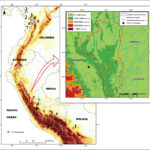
To truly comprehend the life and adaptations of the Kerinyaga Toad, we should journey into its natural home—the cool, damp highland forests of central Kenya and adjacent regions. This endemic species predominantly inhabits montane zones, found at elevations ranging roughly between 1800 and 3000 meters above sea level. Its distribution includes Mount Kenya, the Aberdare Range, Mau Escarpment, and scattered upland forests, ecosystems characterized by high rainfall, cool temperatures, and dense cover of vegetation.
Navigating through the dense canopy overhead and the moss-carpeted grounds below, one discovers a world perpetually dampened by mist and drizzle—a paradise for amphibians thriving in moisture-saturated environments. Unlike their lowland cousins, Kerinyaga Toads are specially adapted for cooler climates that encompass large temperature fluctuations between night and day. They prefer shaded forest floors, leaf litter, dense vegetation areas close to freshwater sources, and often linger near gently flowing creeks and small streams that provide both breeding habitat and ample prey.
Such specific habitat preferences underscore the vital role pristine mountain ecosystems hold for this species. Sadly, they also highlight its vulnerability to habitat disruption, underscoring the importance of protecting these pockets of biodiversity richness.
Physical Characteristics#
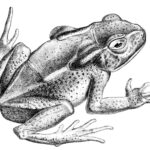
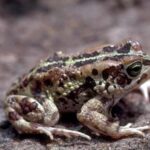
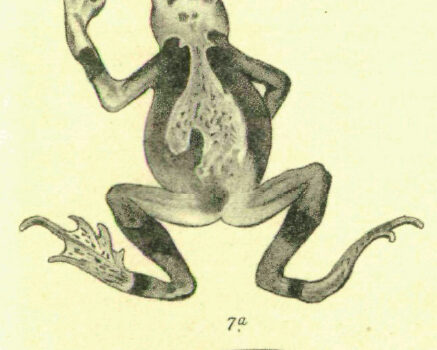
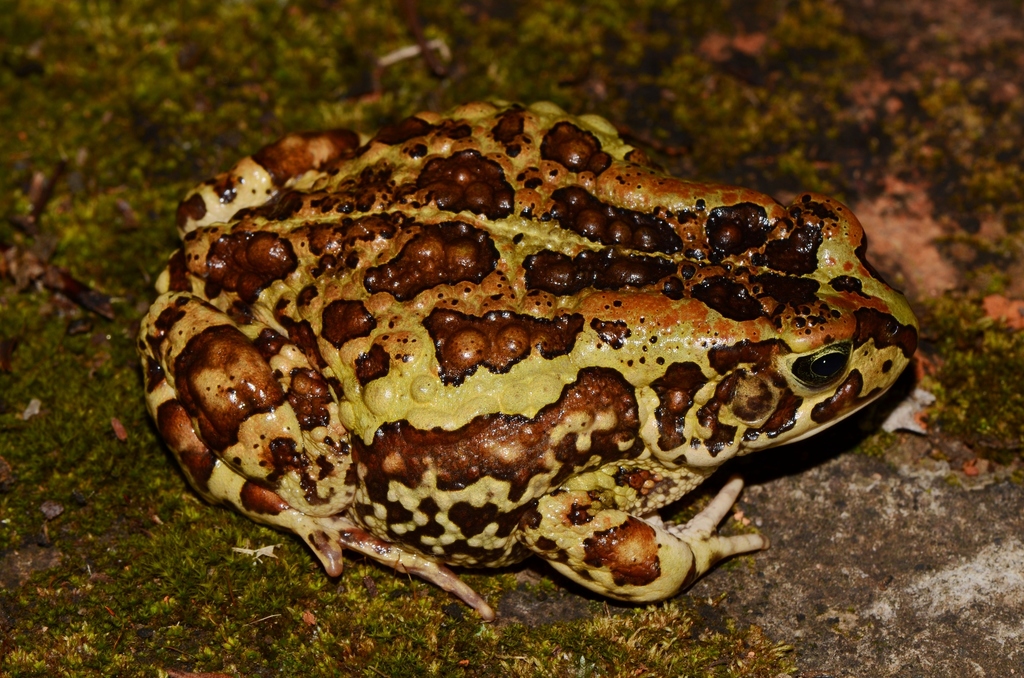
At first glance, the Kerinyaga Toad appears humble—a textured, muted amphibian easily overlooked. Upon closer examination, however, it reveals fascinating adaptations honed through evolutionary processes. An average adult Sclerophrys kerinyagae typically measures between 4 to 6 centimeters, making it small and discreet. Its skin boasts a notably granular and rough texture that helps provide camouflage among fallen leaves and forest detritus.
Its coloration, a muted palette of earthy tones—olive greens, browns, and creams—is masterfully adaptive. Subtle yet varied patterns encourage seamless blending into the leaf litter, a perfect subject of cryptic coloration that keeps it hidden from predators like bird species, snakes, and small mammals that frequent the montane forests. Contrasting dark spots scattered across its dorsum, limbs, and flanks add further camouflage complexity.
One remarkable adaptation, common to toads and characteristic in Sclerophrys kerinyagae, is the presence of pronounced parotoid glands located just behind the eyes. A gentle squeeze or accidental pressure can induce secretion of toxins, acting as potent chemical defenses against predation. While periodically misunderstood, this defense mechanism highlights the natural ingenuity evolutionary pressures have forged.
Behavior and Life Cycle#
Like many amphibians, Sclerophrys kerinyagae carries out most activities shaded by nocturnal cover, emerging after sunset from hidden daytime refuges beneath logs, rocks, or leaf litter. Nightfall reveals the Kerinyaga Toad’s active world, as it scours the forest floor seeking nourishment, primarily hunting insects, spiders, worms, and small arthropods drawn toward reflective moisture and cooler temperatures. Its hunting method employs a mix of stealth and strategic ambushes, patiently waiting before adeptly lunging to capture prey swiftly with its sticky tongue.
Perhaps one of its most captivating behaviors manifests during breeding seasons, typically triggered by the advent of consistent rainfall cycles. As narrated by local naturalists exploring these misty mountainous regions, mating calls of the Kerinyaga Toad resonate gently across forest glades and streambanks—a chorus that breathes further enchantment into the cool woodland evenings. The males emit soft trills and clicks, resonating as musical performances alerting prospective mates to their readiness, attracting females toward suitable breeding pools.
Following a successful pair bond during a brief amplexus encounter, the female deposits her eggs in calm pools of shallow water. From uniquely encapsulated eggs hatch tiny tadpoles, small, silvery, yet rapidly transforming larvae feeding primarily on algae and organic debris. Life underwater moves swiftly, culminating in a metamorphosis that quickly ushers them into terrestrial life. Such swift adaptations are essential to exploit the fleeting habitats available during seasonal rains, ensuring populations persevere through unpredictable climatic events.
Ecological Role#
Though small and seemingly modest, the Kerinyaga Toad fulfills integral roles within its ecosystem. Serving primarily as a natural pest controller, it helps regulate insect populations. Conversely, acting as prey itself, Sclerophrys kerinyagae contributes to sustaining predator biodiversity—from serpentine predators like snakes to avian hunters such as owls and forest raptors. Thus, these toads significantly influence food web dynamics and nutrient cycling within montane ecosystems.
Moreover, their permeable skin and sensitivity to environmental changes position them as invaluable bio-indicators. Toad populations experiencing abrupt declines signal disturbing ecological shifts, often indicative of pollution, climate change, habitat degradation, pesticides, or diseases such as chytridiomycosis. Thus, vigilant monitoring of Sclerophrys kerinyagae populations offers scientists valuable data insights into broader planetary health.
Threats and Conservation Status#
Despite their evolutionary resilience, the Kerinyaga Toad faces numerous anthropogenic threats. Central among these challenges looms habitat destruction, driven by deforestation, agricultural expansion, human settlement encroachment, and climate fluctuations influencing rainfall patterns. Further compounding threats include pesticide contamination from surrounding farmland leaching into streams, along with diseases such as chytridiomycosis increasingly threatening amphibian populations worldwide.
The International Union for Conservation of Nature (IUCN) recognizes Sclerophrys kerinyagae as “Least Concern,” largely due to its relatively wide local distribution. Nonetheless, regional habitat fragmentation and degradation remain real concerns and warrant regular monitoring to prevent silent population collapses.
Conservation efforts like protected area creation, environmental education initiatives, habitat restoration, and fungal pathogen studies represent proactive measures critical to safeguarding this fascinating toad species, ensuring their calls echo in forests for generations to come.
Cultural and Scientific Significance#
While largely obscure within popular culture, Sclerophrys kerinyagae holds significant cultural heritage among indigenous communities living near the Kerinyaga (Mount Kenya). The mountain—and by extension, its wildlife—features prominently in folklore, narratives symbolizing resilience, hidden ecological interconnectedness, and respect for nature’s delicate balance.
Scientifically, researchers value Kerinyaga Toads as indicators shedding light on climate impacts, amphibian evolution, and biodiversity’s intrinsic interconnectedness, fostering broad awareness about environmental conservation importance beyond mere charismatic megafauna.
Conclusion#
While unassuming, telling the story of Sclerophrys kerinyagae reveals amphibian importance closely intertwined with ecosystem health. Embracing conservation stewardship means recognizing hidden biodiversity gems like the Kerinyaga Toad, advocating continuously for ecosystems sustaining rich wildlife diversity. By celebrating and protecting species like this fascinating Kenyan highland amphibian, we ensure environments thrive imperceptibly yet profoundly interconnected—creating a better, more sustainable future for all.