- Introduction: Encountering the Remarkable Rhinella veredas
- Taxonomy and Classification: Where Rhinella veredas Fits In
- Natural Habitat: The Life Among Brazil’s Veredas
- Physical Characteristics: Secrets in Camouflage and Form
- Behavior and Life Cycle: The Dance of Survival in Cerrado Waters
- Ecological Role: Guardians of Vereda Health
- Threats and Conservation Status: Preserving the Vereda Guardian
- Cultural and Scientific Significance: Connections Beyond Ecology
- Conclusion: Celebrating and Conserving Rhinella veredas
Introduction: Encountering the Remarkable Rhinella veredas#
Deep among the sprawling savannah wetlands and crystal-clear streams of Brazil’s Cerrado biome, a small amphibian thrives unnoticed under the vibrant foliage. Rhinella veredas, a fascinating toad species discovered relatively recently in the vibrant wilderness of South America, has quickly gained attention for its curious adaptations, crucial ecological role, and the conservation challenges it faces.
Known affectionately as the “Vereda Toad,” Rhinella veredas derives its name from the lush, moisture-rich veredas—palm swamp habitats characteristic of its home—where it quietly carries out its life. First described scientifically in recent decades, its modest appearance belies an intriguing complexity in behavior, ecology, and biology that profoundly impacts local ecosystems. Throughout this journey, we’ll unravel the life of Rhinella veredas and learn how it contributes uniquely to the biodiversity tapestry of the Cerrado savannahs.
Taxonomy and Classification: Where Rhinella veredas Fits In#
As we dive deeper into understanding this intriguing amphibian, let’s first clarify its scientific identity. Rhinella veredas belongs to the Bufonidae family—commonly known as true toads. This large amphibian family includes nearly 600 known species and is found across every continent except Antarctica.
The genus Rhinella, to which our little subject belongs, comprises approximately 90 species primarily distributed in Central and South America. Rhinella veredas was distinguished as a separate species due to comprehensive studies of its morphology, vocalizations, and genetic makeup, setting it apart from its closest relatives like Rhinella schneideri. Taxonomic research carefully employs DNA analysis and detailed ecological studies, demonstrating the subtle yet significant distinctions from its relatives.
Natural Habitat: The Life Among Brazil’s Veredas#
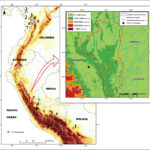
To truly understand Rhinella veredas, we must first visualize its singular habitat. Imagine tranquil streams wrapped in dense greenery, gently waters weaving through palm-lined corridors known as “veredas.” These peculiar artesian wetlands characterize Brazil’s iconic Cerrado ecosystem—a savannah landscape rich in biodiversity hotspot, endangered by expanding agriculture and urbanization.
These veredas represent an ideal home for Rhinella veredas. Their damp soils and crystal-clear stream edges provide essential humidity, shade, shelter, and ample food resources. Vegetation dominated by the palm Mauritia flexuosa forms shaded and moist microclimates—ideal conditions nourishing this shy amphibian. The still waters and abundant insects complete an already perfect setting, providing ample feeding opportunities and breeding grounds.
Rhinella veredas’ presence notably signifies environmental health; it thrives where habitats retain balanced water quality and healthy biodiversity. Conversely, its absence can be a red flag warning about ecosystem distress, which we’ll explore later regarding conservation implications. Understanding this habitat helps us appreciate the delicate ecological balance necessary for its existence.
Physical Characteristics: Secrets in Camouflage and Form#
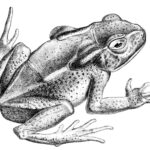
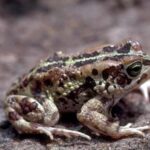
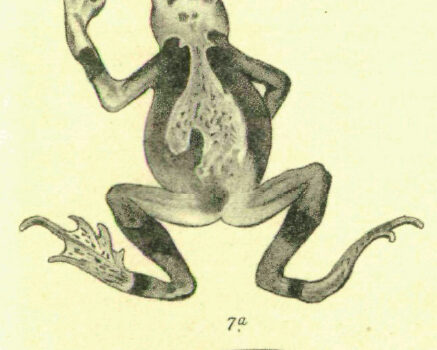
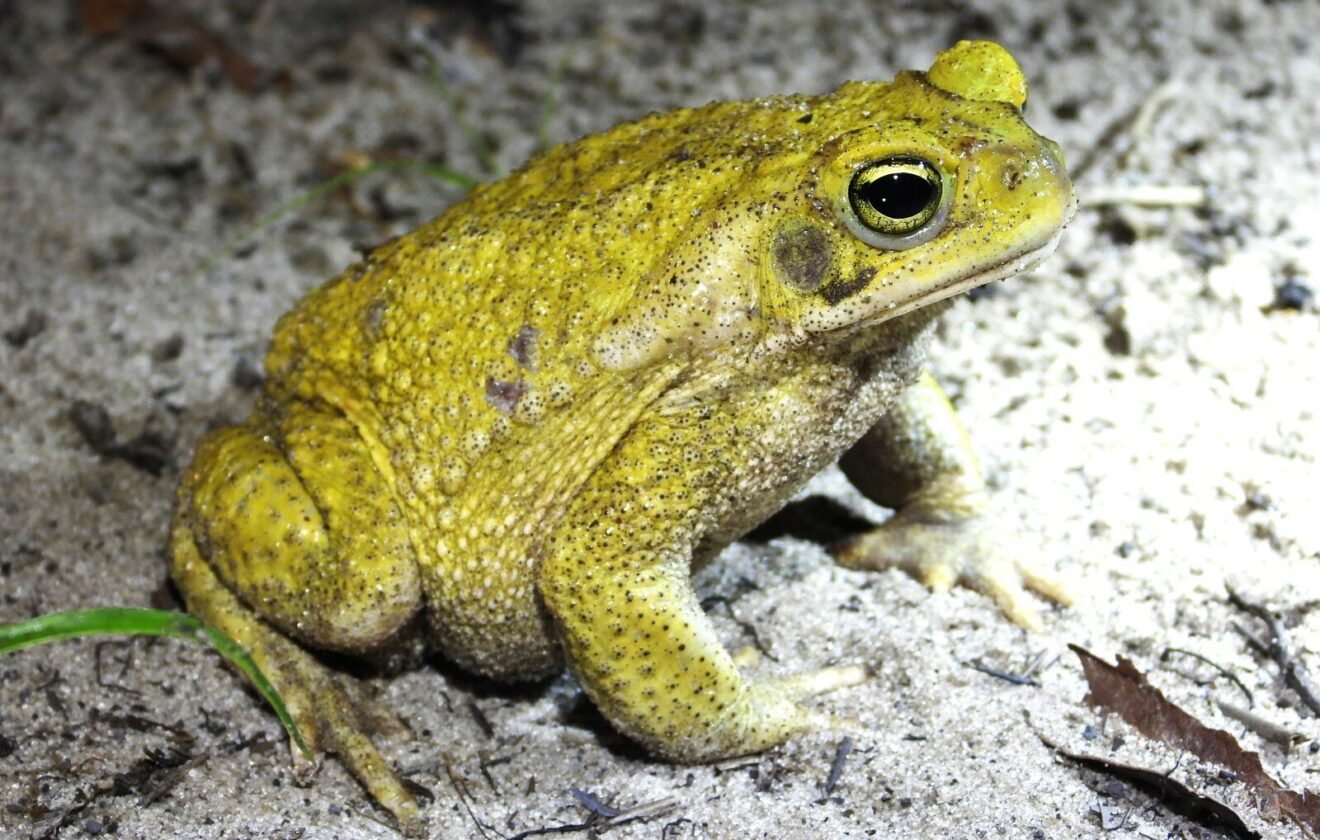
In the complex tapestry of adaptations within the Cerrado, Rhinella veredas has developed physical traits finely tuned to a secretive lifestyle. Small to medium-sized among toads, this species typically measures between 40 to 60 millimeters in length. Its coloration, a mosaic of earthy browns, olive, and grayish patches interspersed with lighter beige undertones, creates near-perfect camouflage against muddy banks and leaf litter. These color variations help Rhinella veredas stay hidden from predators like birds, snakes, and mammals, making camouflage its primary defense.
The texture of this toad’s skin is another fascinating adaptation. While bearing the classic “warty” surface common to Bufonidae, its skin also serves important ecological and physiological purposes, such as moisture regulation and secretion of mild toxins to dissuade curiosity from potential predators. Robust legs bestow adept mobility, enabling short hops and efficient navigation through uneven terrain, critical for both evasion and foraging.
Distinctive to many Rhinella species, including R. veredas, are prominent parotoid glands behind the eyes. These glands produce secretions that deter predators, safeguarding the toad from harm. While not deadly for human handling, this mild poison protects the species from numerous threats within its habitat.
Behavior and Life Cycle: The Dance of Survival in Cerrado Waters#
Feeding and Hunting Approaches#
This species primarily emerges after sunset, venturing from moist shelters beneath logs, vegetation, and subterranean refuges. Rhinella veredas consumes various insects—ants, termites, beetles, and even spiders captured using swift tongue-propulsion. A sit-and-wait predator by nature, this toad relies upon stealth, patience, and accurate strikes to secure nourishment.
Mating Calls and Reproduction Dynamics#
Life in veredas becomes vividly animated during rainy seasons when males congregate near still-water pools, croaking melodiously to attract prospective mates. Rhinella veredas emits short, melodious whistles punctuated by soft trills, their mating choruses transforming humid nights into symphonies unique to their habitat.
After courtship, females lay gelatinous eggs strands suspended or partially submerged in shallow waters. Eggs rapidly develop into aquatic tadpoles undergoing remarkable transformations over several weeks, gradually sprouting limbs, absorbing tails, and adapting lungs for terrestrial existence. Young toadlets then venture forth on the edge of wetlands, cautiously beginning their terrestrial lives—an elegant reminder of amphibians’ inherently dual existence.
Adaptive Behaviors: Surviving Seasonal Flux#
Interestingly, due to distinct dryness and rainy periods characterizing the Cerrado biome, this species exhibits remarkable adaptability. In drought conditions, Rhinella veredas seeks deeper refuge beneath soil or vegetation, where moisture remains relatively preserved. During rainier months, sudden population blooming and migratory behaviors may occur—striking ecological rhythms deeply embedded in their survival dynamics.
Ecological Role: Guardians of Vereda Health#
A quiet sentinel within the wetlands, Rhinella veredas exerts considerable ecological influence. As diligent predators, they regulate insect populations (including agricultural pests), enriching agricultural and natural areas alike. Their population health directly mirrors habitat and water quality, turning Rhinella veredas into reliable bio-indicators for ecosystem monitoring.
Simultaneously, as prey, this species directly supports higher-tier predators—from hawks and snakes to small mammalian predators—integrating deeply into a complex food web. This multifaceted ecological role highlights their intrinsic value and underscores the imperative for their conservation.
Threats and Conservation Status: Preserving the Vereda Guardian#
Rhinella veredas faces significant threats accelerated by contemporary pressures. Agricultural expansion, cattle ranching, urban development, and pollution compromise these veredas, fragmenting and damaging habitat integrity and water quality. Furthermore, climate change accentuates drought patterns, reducing the ecological resources upon which the species relies.
Currently, Rhinella veredas is yet to be officially assessed by the International Union for Conservation of Nature (IUCN). Nevertheless, regional Brazilian conservationists recognize escalating threats and call urgently for protective actions including habitat restoration, education, citizen science monitoring, and sustainable agriculture practices fostering coexistence between people and delicate ecosystems.
Cultural and Scientific Significance: Connections Beyond Ecology#
Beyond purely ecological perspectives, Rhinella veredas has significant scientific relevance, illuminating ecosystem health patterns and amphibian responses to environmental fluctuations. In local Brazilian cultures, while lacking mythic prominence often seen with colorful Amazonian frogs, this humble toad symbolizes resilience and quiet ecosystem strength.
Scientifically speaking, studying species like Rhinella veredas heightens our awareness of subtle ecosystem dynamics and develops powerful environmental indicators valuable far beyond one species—illuminating much larger ecological systems and global patterns.
Conclusion: Celebrating and Conserving Rhinella veredas#
Rhinella veredas reminds us that even seemingly humble organisms underpin entire ecosystems. The responsibility to protect these habitats and their unique fauna belongs to us all. Readers, nature enthusiasts, students, and advocates alike must recognize, support, and champion actions ensuring this toad continues thriving across Brazil’s veredas.
Exploring Rhinella veredas rewards curiosity, connects us deeply to nature’s interconnected resilience, and calls for urgent awareness about the fragile beauty we risk losing. Its protection ultimately secures our shared ecosystems, understanding, and vibrant future.
Together, let’s strive to preserve vereda habitats—not only for this remarkable amphibian but to ensure vibrant biodiversity flourishes for generations to come.