Rhinella spinulosa: The Fascinating Life of the Andean Spiny Toad#
Deep in the windswept highlands and rugged foothills of the Andes, beneath the shadow of volcanoes and amidst the sparse alpine vegetation, lives a small yet remarkable amphibian known as Rhinella spinulosa—the Andean Spiny Toad. At first glance, this modest frog might seem inconspicuous, yet its resilience and adaptation to the challenging Andean environment weave an extraordinary story, showcasing nature’s creative ingenuity.
Belonging to one of Earth’s most iconic mountain ecosystems, Rhinella spinulosa captures our attention not only for its fascinating biology but also for its crucial role as an indicator species, reflecting the delicate health of Andean habitats. Embark with us on a journey into the life of Rhinella spinulosa, discovering how this humble amphibian thrives amid adversity, the threats it faces, and why its conservation matters greatly.
Taxonomy and Classification#
Rhinella spinulosa, commonly known as the Andean Spiny Toad, belongs to the diverse and widespread Bufonidae family—the true toads. Within this extensive amphibian lineage, the genus Rhinella includes numerous species prevalent in South and Central America, each sharing characteristic features such as warty skin, prominent parotoid glands, and stout bodies built for endurance.
Initially described in 1834 by the German zoologist Arend Friedrich August Wiegmann, this amphibian was first classified as Bufo spinulosus. Recent taxonomic revisions have placed it within the genus Rhinella, better reflecting evolutionary relationships based on genetic and morphological analyses. Closely related species in this genus include Rhinella marina (the infamous Cane Toad), Rhinella arenarum, and Rhinella schneideri, making this group a particularly diverse and fascinating example of amphibian adaptive radiation across a range of ecosystems.
Natural Habitat#
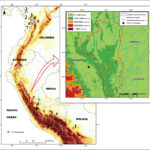
The Andean Spiny Toad occupies a rich and varied habitat, predominantly located within the high-altitude regions of the Andes mountains. It spans an impressive geographical range, extending from central Peru southward through Bolivia, reaching into northern Chile and northwestern Argentina. Remarkably adaptable, this amphibian flourishes in environments ranging from the mountainous puna grasslands to shrub-covered valleys and wetlands situated between approximately 2,000 and 4,800 meters above sea level.
In these demanding alpine conditions, Rhinella spinulosa exhibits remarkable resilience, tolerant to stark temperature fluctuations, drought, and intense ultraviolet radiation. Characteristically found near streams, temporary ponds, or marshy areas, these frogs take advantage of the Andes’ seasonal water availability. Here, the vegetation is often sparse, dominated by hardy grasses, dwarf shrubs, and cushion plants—a landscape that seems harsh yet teems with specialized biodiversity finely tuned to survive rigorous climates.
Rhinella spinulosa’s choice of habitats helps researchers understand environmental health. Their presence indicates freshwater quality, soil moisture levels, and ecological integrity, vital for conservation planning and environmental management.
Physical Characteristics#
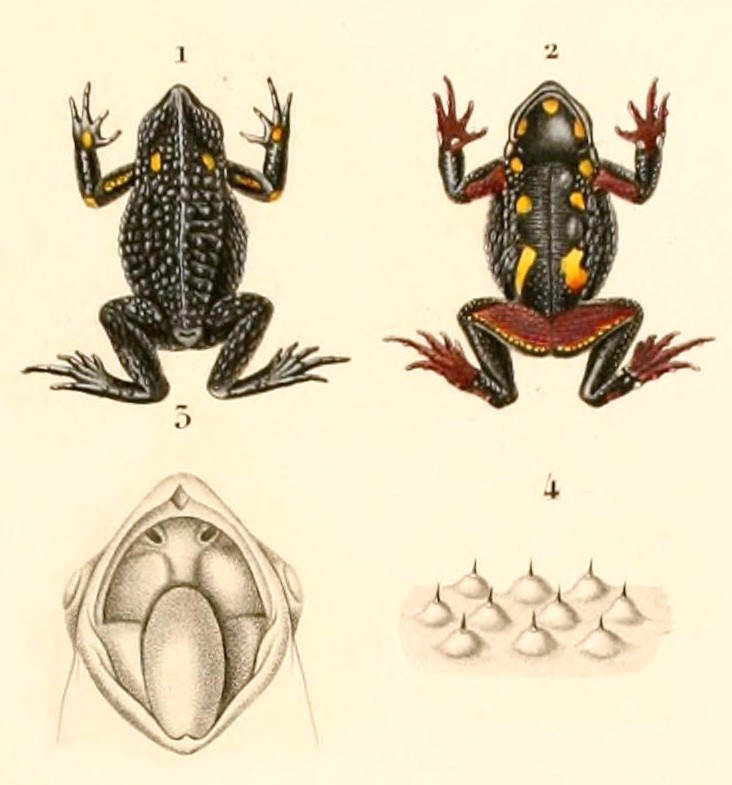
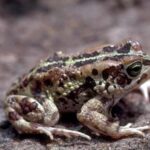
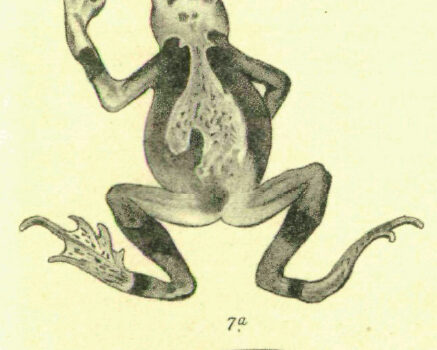
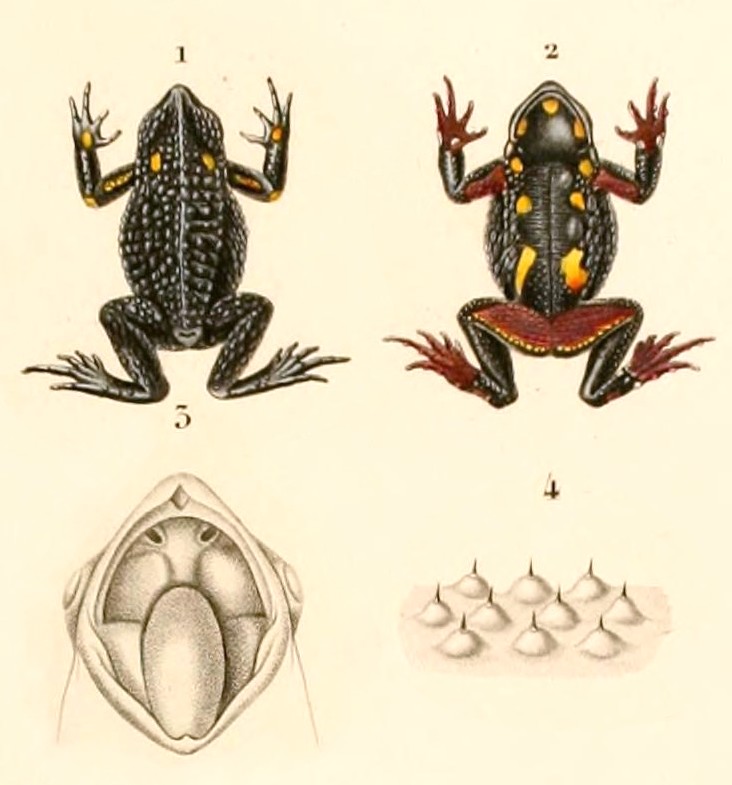
At first encounter, the Andean Spiny Toad may not immediately register as strikingly beautiful—but it possesses a subtle, rugged charm. This is a medium-sized frog, typically measuring between 40 to 80 millimeters in length. Its stout and robust body, equipped to endure high-altitude stresses, is protected by distinctly rough, wart-covered skin adorned with small but pronounced spinous bumps, which give it both its common name and its scientific epithet ‘spinulosa’—Latin for “covered with small spines.”
Coloration varies widely among populations and encompasses shades ranging from slate gray and olive green, to earthy brown and reddish tones, depending largely upon local substrates and surroundings. This variability functions as a natural camouflage, rendering the frog virtually invisible when motionless amongst the rocks, grasses, and mosses of its habitat. Its eyes, expressive and vigilant, are golden or bronze-colored with horizontally elongated pupils ideal for detecting movements of predators or prey.
The species is equipped with parotoid glands, specialized structures located just behind the eyes, capable of secreting toxins as chemical defense mechanisms against predators. Though harmless if unprovoked, this defense adaptation serves as critical protection in their perilous natural environment.
Behavior and Life Cycle#
Feeding Habits and Predation#
Primarily nocturnal, Rhinella spinulosa emerges as twilight descends, embarking on nightly foraging expeditions along their alpine territories. With impressive stealth and patience, they rely upon ambush and opportunistic strategies, feeding on a rich array of invertebrate prey including insects, arachnids, worms, and other small ground-dwelling creatures.
Amidst these alpine meadows and shrublands, the toads position themselves strategically amidst vegetation and rocky crevices, blending seamlessly into surroundings, waiting skillfully before striking with a swift flick of their sticky tongue. This dietary adaptability and flexibility are central to survival within ecosystems rich in seasonably fluctuating habitats.
Mating and Reproduction#
The breeding cycle of Rhinella spinulosa is intricately synchronized to climatically favorable periods, typically coinciding with the rainy season when bodies of water are briefly replenished. During these periods, males congregate in considerable groups, vocalizing harmoniously with characteristic slow, pulsed calls heard echoing clearly across the nighttime Andean landscape, each hoping to attract receptive females.
Females typically lay gelatinous strands of eggs in shallow freshwater pools and streams, attaching them to submerged vegetation or rocks. These eggs hatch into aquatic tadpoles after several days to weeks, depending upon water temperatures and oxygen availability. Juvenile development is rapid given the ephemeral availability of water in mountainous habitats, and tadpoles possess adaptations for accelerated metamorphosis to ensure their survival, maturing quickly into miniature adult frogs ready to face the challenges of terrestrial existence.
Ecological Role#
Although diminutive and seemingly modest, Rhinella spinulosa holds great ecological significance within its high-altitude habitat. These frogs function both as predator and prey, occupying a pivotal middle position within the food web. Their voracious appetite for insects and arthropods helps regulate populations of potential pest species, maintaining balance across delicate alpine ecosystems.
As prey, they sustain predators including snakes, foxes, larger birds such as caracaras and hawks, and even occasionally larger amphibians or mammals. Thus, Rhinella spinulosa contributes substantially to biodiversity, nutrient cycling, and ecosystem stability; furthermore, scientists often regard it as a biological barometer whose health reflects the ecosystem’s general condition.
Threats and Conservation Status#
The enduring organism that Rhinella spinulosa is, faces escalating threats in today’s rapidly changing world. Habitat degradation and fragmentation due to expanding agriculture, mining activities, road construction, and urbanization significantly reduce suitable habitats. Climate change presents unpredictability, altering water availability, temperature ranges, and seasons, crucial parameters in amphibian reproductive cycles and survival.
Additionally, pollution, pesticide runoff, and the emergence and spread of infectious amphibian diseases (especially chytrid fungus infection known as chytridiomycosis) present increasing concerns for conservationists. Currently, the International Union for Conservation of Nature (IUCN) lists Rhinella spinulosa as “Least Concern,” primarily due to its wide geographic range and adaptability. However, biologists remain vigilant, recognizing the species’ potential vulnerability amidst ongoing threats.
Conservation practices currently emphasize habitat protection, environmental research, and amphibian monitoring programs on regional and international scales, ensuring sustainable populations for future generations.
Cultural and Scientific Significance#
Beyond their ecological merit, Rhinella spinulosa carries cultural importance, particularly among indigenous Andean communities who traditionally interpret the presence of these amphibians as indicators of freshwater access and fertile ground, integral to livestock herding and crop planting cycles.
Scientific communities closely study this species, recognizing the vital insights it offers into high-altitude adaptation, physiological tolerance, and environmental resilience. Research into its skin toxins and specialized metabolic functions provides novel insights potentially useful in biotechnology, pharmacology, and climate change adaptation studies.
Conclusion: Championing the Andean Spiny Toad#
Though small and easily overlooked against the sweeping expanses of the majestic Andes, Rhinella spinulosa embodies nature’s tenacity, adaptability, and intricate balance. Preserving this remarkable amphibian safeguards more than a single species; it protects an entire suite of biodiversity and ecosystem functions vital to the integrity of one of Earth’s most delicate high-altitude environments.
To champion Rhinella spinulosa means to champion the Andes themselves. By understanding, appreciating, and taking active roles—from supporting local habitat conservation initiatives to advocating environmental education—we can ensure that the gentle croaks echoing through Andean valleys remain perpetually a part of our planet’s wild and wondrous tapestry.