- Exploring Rhinella scitula: The Fascinating Ecology of a Lesser-Known Amphibian Jewel
- Taxonomy and Classification of Rhinella scitula
- The Natural Habitat of Rhinella scitula
- Physical Characteristics: Quiet Elegance and Functional Adaptation
- Behavior and Life Cycle: Intimate Glimpses into Secret Lives
- Ecological Role: Rhinella scitula’s Important Place in Biodiversity
- Threats and Conservation Status: Protecting a Hidden Treasure
- A Symbol of Ecological Wisdom and Scientific Discovery
- Conclusion: Appreciating Rhinella scitula and Ensuring Its Future
Exploring Rhinella scitula: The Fascinating Ecology of a Lesser-Known Amphibian Jewel#
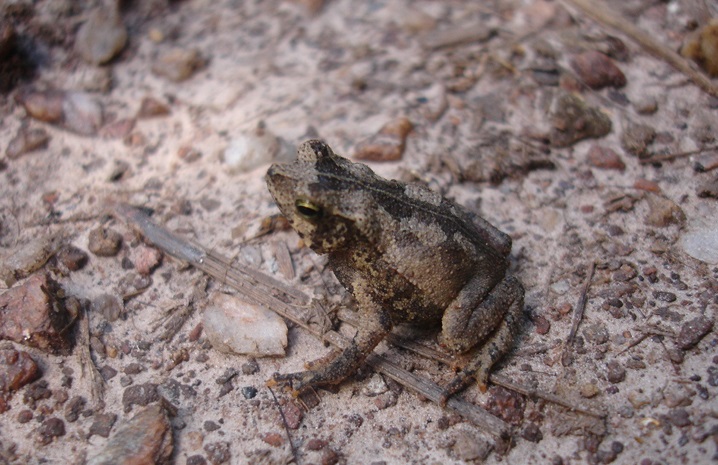
Tucked within the lush, subtropical forests of South America lives an amphibian little-known yet captivating in its own quiet charm—the Rhinella scitula. Also affectionately known as the slender toad, this remarkable frog offers a glimpse into nature’s creativity and resilience. Although it may not boast vibrant colors or dramatic size, Rhinella scitula presents a fascinating story of adaptation, ecological balance, and evolutionary finesse. With bulging eyes, mottled skin, and a secretive lifestyle, this unique amphibian embodies the quiet intrigue and ecological significance characteristic of Earth’s oft-overlooked wildlife gems.
So, join us on a journey into the hidden corners of humid woodlands and damp forest floors, where we’ll uncover the life story, behaviors, significance, and conservation status of Rhinella scitula.
Taxonomy and Classification of Rhinella scitula#
Rhinella scitula belongs to the Amphibia class, order Anura, the specialized group of animals commonly known as frogs and toads. Within this order, our intriguing subject finds its family in Bufonidae, colloquially known as the true toads—a diverse group characterized by their distinctively rough, wart-like skin and resilient natures.
The genus Rhinella, to which Rhinella scitula belongs, is particularly diverse, encompassing over 80 species scattered widely across Central to South America. Closely related known species include Rhinella marina—the infamous invasive cane toad—highlighting the extensive evolutionary adaptability within this genus. Yet, unlike its more infamous relatives, our slender amphibian friend practices a subtler lifestyle, weaving itself quietly into its ecosystem’s very fabric.
The Natural Habitat of Rhinella scitula#
Primarily found within the Atlantic Forest of southeastern Brazil, Rhinella scitula seeks out damp, shaded environments rich in leaf litter and moisture. From Bahia down through to São Paulo states, this slender toad finds sanctuary away from bright sunlight and human encroachment beneath the dense canopy of evergreen forests, or hugging rocky streams weaving through lush hillsides.
The Subtle Splendor of Its Preferred Habitat#
The Atlantic Forest ecosystem is an extraordinary biome, vibrantly teeming with floral diversity and animal life. The dark, damp understory beneath towering trees creates a microcosm thriving on delicate moisture balances and organic decomposition processes. Fallen leaves, decaying logs, and dense moss carpets offer shelter and sustenance for countless creatures, including Rhinella scitula.
These slender toads frequently occupy riparian zones—habitat edges where streambeds intersect forest floors—depicted with scenes straight from a nature documentary: soft trickling water creating melodious symphonies atop rocks padded by luscious moss. Carefully camouflaged, Rhinella scitula blends harmoniously within this intricate tapestry, safeguarded from predators and readily poised to ambush prey.
Physical Characteristics: Quiet Elegance and Functional Adaptation#
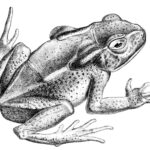
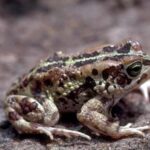
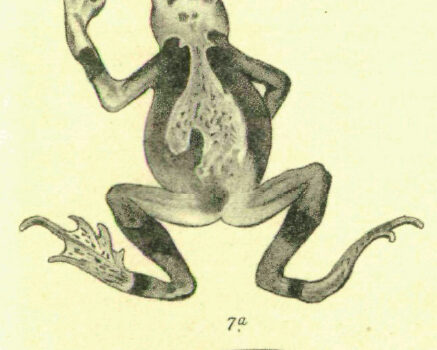
At first glance, the uneventful hue and medium statue of Rhinella scitula might conceal its beauty. Adult individuals typically measure a modest 35 to 50 millimeters from snout to vent, embodying an easily missed member of the forest floor community. Yet closer examination reveals the beautiful subtlety in its camouflage—olive, brownish-gray, or bronze pigmentation adorned with darker irregular blotches, mimicking dappled forest leaf litter masterfully. Small bumps and rough-textured skin characteristic of many Bufonids give it a distinctively rugged appearance, a reminder of its durability, adaptability, and resilience within its habitat.
Large, protruding eyes positioned atop the head enable the animal to surveil its environment efficiently for prey and predators alike, improving its survival odds. Short yet powerful limbs allow Rhinella scitula effortless navigation of textured surfaces, while discreet glandular structures produce toxins sufficient enough to discourage predators, teaching curious forest creatures to fear the slender toad as a savvy, elusive inhabitant of this rich ecosystem.
Behavior and Life Cycle: Intimate Glimpses into Secret Lives#
Primarily nocturnal, Rhinella scitula prefers dusk and darkness for its hunting expeditions, utilizing the cloak of night to safeguard itself. Its diet is diverse yet selective, comprising predominantly small invertebrates, such as insects, ants, termites, beetles, spiders, and occasionally small slugs—unwitting prey captured by a lightning-quick snap of its adhesive tongue.
Romantic Affairs and Serenades in the Forest#
Breeding season dramatically intensifies the usually reserved Rhinella scitula’s activity. Triggered by the wet season rains that bring life surging anew into streams and puddles, males summon potential partners with a distinctively staccato mating call: a sonic badge of honor indicating sturdy health and genetic vigor to waiting females hidden nearby.
Batches of eggs are carefully deposited within slow-moving water bodies or shaded puddles, providing optimal incubation conditions for the developing embryos. Emerging tadpoles embody survivalist efficiency, cleverly hiding among vegetation and detritus at the water’s bottom, minimizing their visibility to predators eagerly awaiting a nourishing snack.
Months of quiet steadfastness culminate in metamorphosis—amazingly, tadpoles lose gills, develop legs, and transition successfully from aquatic larvae to terrestrial adolescents. Young frogs retreat into forests, continuing the cycle anew across generations, their small silhouettes joining the ranks of forest dwellers that gracefully perpetuate Earth’s biodiversity.
Ecological Role: Rhinella scitula’s Important Place in Biodiversity#
Like every component within a natural ecosystem, Rhinella scitula maintains vital ecological duties. The slender toad, through avid consumption of insects and other invertebrates, controls populations of potentially harmful species, ensuring delicate balance within its habitat’s food webs. Moreover, Rhinella scitula itself constitutes critical nourishment for snakes, small mammals, birds, and larger frogs, enhancing biodiversity resilience and stability by fulfilling crucial roles in the food chain.
Furthermore, amphibians like Rhinella scitula act as invaluable biological indicators, their health metaphorically reflecting wider ecosystem well-being, allowing scientists an accessible barometer measuring the subtle yet critical conditions beneath forest canopies.
Threats and Conservation Status: Protecting a Hidden Treasure#
Despite its considerable ecological significance and fascinating natural history, Rhinella scitula faces an increasingly uncertain future. The single greatest threat facing this slender toad is the escalation of habitat destruction and fragmentation, driven by rapid urbanization, agriculture expansion, logging, and infrastructure development across Brazil’s Atlantic Forest. Such disturbances simultaneously disrupt breeding cycles and restrict vital pathways of genetic exchange, placing considerable stress upon fragmented populations.
IUCN Status and Conservation Actions#
Currently, Rhinella scitula holds a Near Threatened status according to the International Union for Conservation of Nature (IUCN), prompting attention and necessary action before its situation escalates further. Present conservation strategies emphasize habitat preservation and ecological restoration, addressing habitat connectivity issues and fortifying protective measures within protected reserves and national parks against encroachment.
A Symbol of Ecological Wisdom and Scientific Discovery#
While Rhinella scitula may not yet command a notable place within human folklore or historical narratives, it embodies significant, undeniable value to modern science and conservation. Amphibians collectively prove astounding reservoirs of genetic information and bioactive compounds, tantalizing researchers with potential discoveries of novel medicines or effective pest control solutions.
This unassuming frog may eventually reveal secrets instrumental in solving pressing ecological questions or contribute to future pharmacological breakthroughs yet unseen. At the same time, its underlying role as an ecological warning symbol—alerting humanity to climate change and environmental degradation’s subtle ramifications—certainly affirms Rhinella scitula’s vital ecological importance.
Conclusion: Appreciating Rhinella scitula and Ensuring Its Future#
Hidden beneath leaves and shaded groves, Rhinella scitula serves as a humble yet profound reminder of Earth’s exquisite biodiversity. Its unique adaptations, pivotal ecological role, and quiet beauty teach invaluable lessons about complexity, balance, and wise stewardship of nature’s delicate ecosystems.
To safeguard wonders like Rhinella scitula, we must embrace conscientious environmental stewardship, educate others on nature’s intricate stories, and actively support efforts toward conservation and biodiversity protection. Doing so ensures future generations can also discover, appreciate, and marvel at the subtle elegance, ecological wisdom, and quiet beauty of creatures that quietly enrich our shared world.