Exploring the Hidden World of Rhinella rubescens: The Reddened False Toad of South America#
Amid the lush undergrowth of South America’s forests, a small, seemingly inconspicuous amphibian leads a quietly fascinating life. Rhinella rubescens, popularly known as the Reddish Toad or Reddened False Toad, might not draw the casual eye immediately, yet beneath its humble appearance, it’s an organism of immense ecological interest, vivid character, and unique evolutionary heritage. This cryptically colored amphibian—bearing the scientific name Rhinella rubescens—is quietly unveiling secrets that fascinate scientists and environmentalists alike.
Imagine strolling through dense tropical forests at twilight, your footsteps muffled by a carpet of leaf litter. The air hums with insect choruses, a gentle drizzle creating patterns upon the canopy overhead. Suddenly you pause, drawn by a faint rustling noise amidst leaves colored dark by moisture. Squint carefully, and you notice it—a small, ribbed creature camouflaged against the soil and foliage. Rhinella rubescens is a study in subtlety, but beneath that modest demeanor lies a complex creature, a critical cog in its ecosystem, and a compelling subject of wildlife study.
Taxonomy and Classification#
Rhinella rubescens belongs to the family Bufonidae, a diverse group commonly referred to as “true toads.” While the term “toad” might conjure certain images, Rhinella rubescens illustrates the fascinating genetic diversity and ecological versatility of these gray-green amphibians. Within the expansive genus Rhinella, which encompasses dozens of toad species predominantly native to Central and South America, Rhinella rubescens stands out due to certain morphological distinctiveness and particular habitat preferences.
Originally described scientifically in the late 19th century, Rhinella rubescens has seen its classification refined through improved genetic technologies and more extensive field observations. Closely related species, like Rhinella granulosa and the iconic cane toad Rhinella marina, highlight the intriguing evolutionary pathway that carved out Rhinella rubescens’ subtle niche. Understanding its precise classification helps conservationists develop effective strategies tailored specifically to this species’ conservation needs.
Natural Habitat#
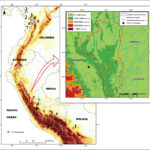
The subtle charms of Rhinella rubescens are closely linked to its habitat selection. This adaptable toad favors forests, savannas, and wetland areas, typically in subtropical and tropical regions. Primarily distributed throughout South America, particularly in countries such as Brazil, Bolivia, Paraguay, and Argentina, the species thrives in humid, subtropical climates—a realm vibrantly alive with biodiversity.
Within these verdant landscapes, Rhinella rubescens seeks shelter beneath logs, leaf litter, and forest debris. The moist, shaded undergrowth of these environments creates the ideal microclimate for the species’ moisture-dependent skin. Observing their habitat requires patience; these toads expertly utilize camouflage, remaining still as observers pass unknowingly nearby.
Seasonal rains typically mark periods of heightened activity for Rhinella rubescens. Pools and temporary wetlands become vital breeding zones, drawing these toads into congregations that set stages for elaborate breeding rituals. Understanding these niches and interactions between species and wider ecosystems offers valuable insights into their adaptations, evolution, and behaviors.
Physical Characteristics#
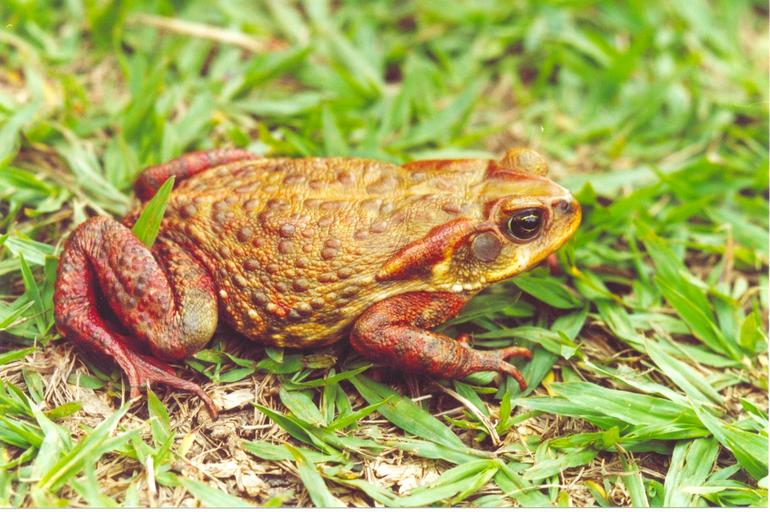
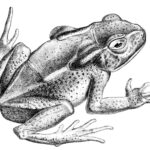
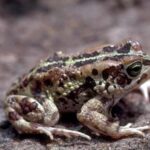
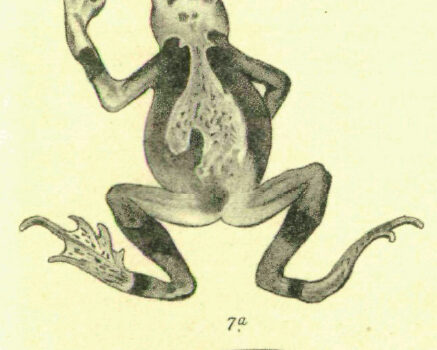
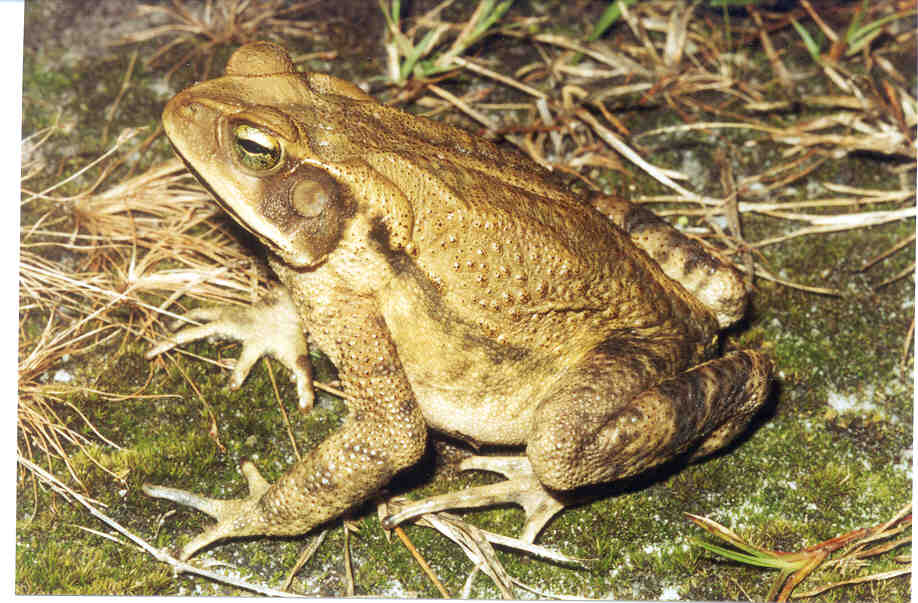
Rhinella rubescens is modestly sized, with mature adults typically measuring between 7 to 11 centimeters from snout to vent—a frame well-suited to maneuvering through tangled vegetation and loose leaf litter. Unlike brightly colored amphibians that advertise themselves, Rhinella rubescens wears shades of muted browns, olive greens, and reddish hues, effectively blending seamlessly into its earthy habitat. Its dorsal surface is markedly warty, covered in small bumps and rugose textures, an effective trait aiding concealment and dissuading potential predators.
Interestingly, the species possesses subtle reddish or rust-colored highlights bordering warts and limbs—characteristics giving rise to their descriptive name, “rubescens” derived from Latin, meaning “reddening.” Their belly and lower flanks are generally lighter, often beige or cream-colored. Anatomically adapted feet and muscular legs enable sudden leaps and swift maneuverability, providing quick escape routes in moments of peril.
Equipped with specialized parotoid glands located just behind the eyes, Rhinella rubescens can secrete toxins as a defense mechanism—a trait common within the Bufonidae family. These substances act deterrently, causing irritation or harm to predators who venture to consume them. Thus, Rhinella rubescens’ remarkable combination of subtle hues, leathery skin, and chemical weaponry ensures its survival amidst the predators that inhabit its environment.
Behavior and Life Cycle#
Feeding Habits and Strategy#
As twilight envelops their forest world, Rhinella rubescens emerge from daytime hideouts to embark on nocturnal hunting expeditions. With meticulous vigilance, they navigate through leaf litter and loose soil in search of prey. Their dietary habits are diverse, focusing mainly on small insects, spiders, worms, and other invertebrates abundant in their territory. Equipped with protrusible tongues, they agilely snag unsuspecting prey, contributing significantly to controlling insect populations and providing balance to ecological dynamics.
Breeding and Reproduction#
Breeding season typically coincides with periods of substantial rainfall, spawning a symphony of unique mating calls floating through nocturnal air. Like intricate courtship rituals, males vocalize melodies designed to attract potential females and ward off competing suitors. Their calls are rhythmic and repetitive, punctuating humid nights and providing a subtle soundtrack to South America’s nocturnal tapestry.
After courtship, females deposit gelatinous masses containing blackish eggs in shallow pools, temporary ponds, or slow-moving waters. Here begins a delicate phase—eggs transition into tadpoles within days, embarking on aquatic life vulnerable to predation and environmental variables. Observant researchers have noted rapid tadpole development, adapting to quickly changing conditions in ephemeral wetland environments. Tadpoles eventually metamorphose into small, terrestrial form toads, quickly assuming their place in terrestrial ecosystems.
Ecological Role#
The humble presence of Rhinella rubescens resonates deeply within its ecosystems, showcasing the intricate interconnectedness within the forest structure. As insectivorous amphibians, they play crucial roles in managing local insect populations, thus controlling pest species and indirectly benefiting agriculture and forestry. Moreover, Rhinella rubescens serves as prey for amphibian-eaters—including various species of snakes, birds, small mammals, and larger amphibians—thus creating balance within predator-prey relationship webs.
Additionally, amphibians like Rhinella rubescens are widely recognized as sensitive indicators of ecological health. Given their semi-permeable, moisture-dependent skin, they react swiftly and sensitively to environmental contaminants, pollutants, or ecosystem changes. Declining numbers or sudden disappearances often prompt scientists to investigate underlying environmental stressors, giving early warnings about potential threats to ecosystem integrity and health.
Threats and Conservation Status#
While Rhinella rubescens currently does not face imminent extinction, it is increasingly under threat from habitat loss, fragmentation, pollution, and climate-driven shifts. Continuous deforestation to meet agricultural and urban demands shrinks their viable habitats, isolating populations and restricting waterways critical for successful breeding. Pollution, especially agricultural runoff containing pesticides or fertilizers, places additional pressure on larval stages, while climate change complicates breeding conditions and available moisture habitats required for survival.
Presently, the International Union for Conservation of Nature (IUCN) lists Rhinella rubescens as Least Concern, but the organization’s current recommendations stress continued monitoring and conservation initiatives ensuring status stability remains achievable. Localized conservation efforts, habitat protections, and ecological research contribute significantly to safeguarding these vital amphibians.
Cultural and Scientific Significance#
Although Rhinella rubescens doesn’t prominently figure in local legends or traditions like certain other amphibians, its biological features hold considerable scientific interest. The chemical compounds from their skin secretions present promising avenues for medical, biochemical, and ecological research, possibly leading to innovative medications, antimicrobial agents, and other groundbreaking discoveries.
Moreover, their ecological sensitivity facilitates insights into broader ecological dynamics, allowing scientists exemplary biological indicators of regional ecosystem health, climate shifts, and habitat integrity.
Conclusion#
Seldom celebrated yet undeniably intriguing, Rhinella rubescens quietly lives out its critical role in these richly complex ecosystems of South America. Their humble presence underscores a crucial lesson—every species, regardless of size or global prominence, contributes profoundly within nature’s tapestry. Protecting habitats, studying populations, and promoting amphibian conservation altogether ensure future generations will continue to appreciate Rhinella rubescens, a small but remarkable denizen quietly thriving amidst this ever-changing ecological landscape.
Let us collectively celebrate and preserve the subtle wonder woven into Rhinella rubescens’ historically rich, ecologically vital existence—one amphibian among many, yet uniquely symbolic of the enduring beauty and complexity of Earth itself.