Rhinella rostrata: Unveiling the Secrets of South America’s Enigmatic Frog#
In the depths of South America’s lush and vibrant rainforests lives an intriguing amphibian whose existence often goes unnoticed, yet whose ecological role is undeniably significant. This captivating species is Rhinella rostrata, a fascinating frog that embodies the delicate balance and hidden wonders within tropical ecosystems. Known scientifically by this Latin name, yet seldom celebrated in mainstream wildlife documentaries, Rhinella rostrata quietly occupies an essential niche in its forest habitat. With intriguing behaviors, remarkable adaptations, and facing ever-growing conservation challenges—this unique amphibian offers us an intimate glimpse into biodiversity’s intricate connections.
Taxonomy and Classification#
To fully appreciate Rhinella rostrata, we start by exploring its taxonomic heritage. Frogs are vast and diverse creatures, populating nearly every suitable habitat worldwide, yet each species holds distinct traits shaped by evolution and adaptation. Rhinella rostrata belongs to the toad family Bufonidae, a diverse family renowned for their terrestrial adaptations, unique skin textures, and intriguing reproductive behaviors.
Within Bufonidae, it is categorized under the genus Rhinella, a group characterized by distinctive cranial structures, pronounced snouts, and robust builds perfect for life on forest floors. Proposed originally as part of the broader genus Bufo, extensive taxonomic revisions through molecular analyses and morphological assessments led scientists to assign certain Neotropical species—including our enigmatic Rhinella rostrata—to their current separate genus. Closely related to species such as Rhinella marina (the notorious cane toad) and Rhinella margaritifera, Rhinella rostrata shares many evolutionary adaptations, yet stands distinct due to its unique morphology and specific habitat preferences.
Natural Habitat#
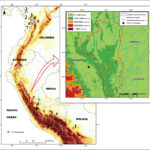
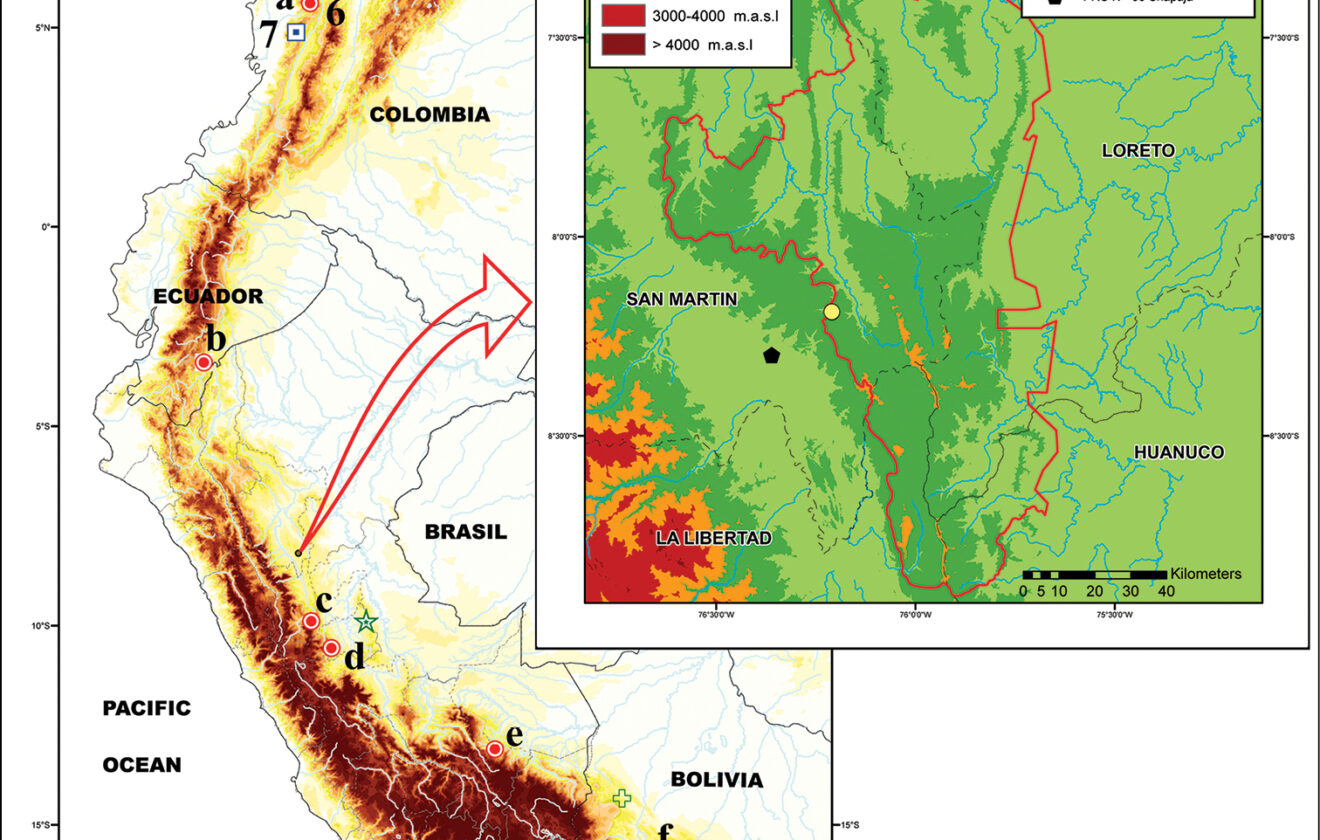
This fascinating frog is predominantly found across northern regions of South America, particularly concentrated in the rainforests of Colombia, Ecuador, Peru, Venezuela, and Brazil’s Amazon basin. Its thriving populations inhabit lowland tropical rainforests with humid, moist microclimates, demonstrating nature’s intricate adaptation process to unique ecological niche preferences.
A Rainforest Dweller’s Realm#
Rhinella rostrata prefers habitats characterized by dense leaf litter and abundant decomposing organic matter scattered across shaded and humid forest floors. Beneath towering trees and beautifully embedded within thick vegetation, the species seeks refuge in microhabitats abundant in invertebrate prey and moisture, both crucial for its delicate skin and life processes. By inhabiting such secluded, sheltered areas protected from strong sunlight and temperature fluctuations, it mitigates potential dehydration risks common among terrestrial amphibians in warmer regions.
Far from stagnant, its home environment is a constant cycle—wet seasons give life to ephemeral pools and small water bodies ideal for reproduction, while thick foliage supplies ample opportunities for effective camouflage and predation. The symbiotic relationships maintained with various microorganisms, fungi, and insects within its chosen habitat further solidify its position within a finely balanced ecological tapestry.
Physical Characteristics#
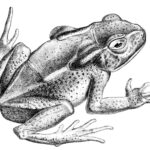
A closer look at Rhinella rostrata instantly reveals a frog of charming peculiarities and specialized adaptations. This medium-sized amphibian, which typically measures between 5 and 8 centimeters, boasts a robust and rounded body framed by limbs designed for deliberate, terrestrial movement rather than agile leaping more characteristic of canopy-dwelling frogs.
Distinctive Appearance and Texture#
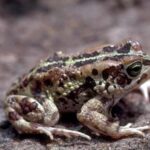
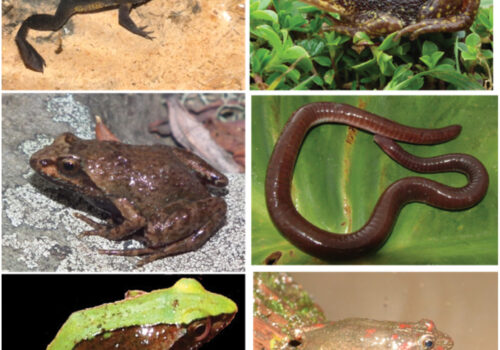
Perhaps its most captivating trait is its strong, pronounced, snout-like facial structure—a feature for which it earned the epithet “rostrata,” Latin for “beaked.” Covered in granular, warty skin of varied earth-tone colors—from hazy browns and rich ochres, through patches of subtle greens and blacks—its camouflage perfectly mirrors leaf litter diversity. This cryptic coloration critically supports its stealthy lifestyle, allowing the frog to evade predators and successfully stalk prey unseen.
The species possesses parotoid glands, conspicuous bulging structures behind its eyes, capable of secreting toxins as defense mechanisms against potential predators. These glands vividly demonstrate adaptation to a life lived among numerous threats within an intensely competitive ecosystem. As it moves deliberately through its territory, its slow ambling helps preserve its disguise and minimize attention from predators such as snakes or mammals.
Behavior and Life Cycle#
Despite its cryptic and sometimes elusive nature, Rhinella rostrata displays intriguing behaviors repaying patient observers richly with insights into ecological interactions and amphibian biology.
Hunting and Diet#
Under the cover of darkness, this toad emerges to pursue an abundant diet comprised mainly of small invertebrates: ants, beetles, termites, and delicate insect larvae. Its specialized snout, coupled with a keen sense of smell, aids in detecting invisible prey beneath leaf litter. Relying on stealth and patience rather than rapid pursuit, it ambushes prey with a swift flick of its sticky, muscular tongue—a predatory strategy reflective of tightly evolved adaptations to its forest realm.
Breeding Rituals and Reproduction#
Reproduction is attuned strongly to seasonal rainfall patterns, often coinciding with the rainy period when ephemeral water bodies appear. In chorus calls softly echoing through nighttime forests, males bravely assert breeding territories, compelling potential mates while subtly communicating their territorial ownership to competing frogs.
Females, attracted by these choruses, will carefully select the optimal partner and suitable pools essential for their offspring’s survival. After mating occurs within these ephemeral pools, gelatinous strands of egg clusters are deposited in shallow water. These eggs rapidly proceed through various developmental stages, soon resulting in tiny tadpoles uniquely adapted for rapid development within short-lived aquatic environments. Within weeks, these aquatic larvae undergo dramatic morphological transitions, emerging onto terrestrial grounds as miniature replicas of mature parents—a remarkable life journey intricately tied to environmental conditions dictated by the forest cycle itself.
Ecological Role#
Rhinella rostrata is far more than just a quiet denizen of South America’s forests—it fulfills vital ecological roles significantly influencing broader environmental health. These frogs effectively control insect populations, curbing outbreaks of certain insects whose overpopulation could disrupt forest ecosystems. Moreover, being potential prey for numerous predators including birds, snakes, and mammals places them delicately within the complex forest food web, reflecting the essential connectivity sustaining ecosystem stability.
Their sensitive, permeable skin enables them to act effectively as bioindicators, signalling ecological disturbances caused by pollution or habitat degradation long before other less sensitive organisms react. Therefore, understanding and protecting species such as Rhinella rostrata can directly safeguard biodiversity and overall ecosystem function.
Threats and Conservation Status#
Despite its ecological significance, extensive deforestation, habitat fragmentation, logging, and agricultural encroachment steadily threaten communities of Rhinella rostrata. Rapid habitat loss due to expanding farming activities, logging operations, and urban development poses profound dangers, substantially impacting population stability despite their quiet existence beneath forest canopies.
Currently, according to the International Union for Conservation of Nature (IUCN), Rhinella rostrata holds a status of “Least Concern,” suggesting stable populations. However, local declines reflect urgent need for close monitoring and proactive conservation actions, particularly regarding habitat conservation and restoration initiatives.
Cultural and Scientific Significance#
While not among famously notable frogs or toads in regional folklore, Rhinella rostrata is recognized scientifically for its role as a critical indicator organism. It embodies researchers’ evolving understanding of species’ vulnerability and resilience within climate-sensitive tropical ecosystems. Leveraging knowledge gained through this species can thus holistically inform broader conservation strategies—even for areas distant from their immediate habitats.
Conclusion: Protecting Hidden Wonders#
As we delve deeper into the enchanting but often hidden realms inhabited by amphibians like Rhinella rostrata, we see clearly these creatures are far more significant than meets the eye. Their extraordinary adaptations, intriguing biology, and ecological connections hold tremendous relevance for wider environmental conservation efforts.
Ultimately, understanding and advocating for species like Rhinella rostrata encourages broader ecosystem conservation. We invite readers everywhere, enthusiasts and committed nature lovers alike, to champion wildlife preservation efforts, safeguarding the fascinating interconnected webs of life supported patiently and quietly by Earth’s unique creatures—creatures just like our enigmatic little companion, Rhinella rostrata.