- Hidden Treasures of the Amazon: Discovering the Fascinating Rhinella parecis Frog
- Taxonomy and Classification of Rhinella parecis
- A Glimpse into its Natural Habitat
- An Unpretentious Beauty: Physical Characteristics of Rhinella parecis
- Behind the Forest Veil: Behavior and Life Cycle
- A Crucial Piece of Ecological Harmony
- Challenges Facing Rhinella parecis: Threats and Conservation
- Frog of Knowledge: Cultural and Scientific Significance
- Guardians of the Forest: Preserving the Legacy of Rhinella parecis
Hidden Treasures of the Amazon: Discovering the Fascinating Rhinella parecis Frog#
In the dense, verdant undergrowth of South America’s lush forests, nature conceals countless miracles. Among these hidden marvels is a small amphibian whose quiet life spent near streams and forest floors often escapes notice. This intriguing creature, known scientifically as Rhinella parecis, represents an unassuming yet vital puzzle piece of the intricate ecosystem of South America’s diverse habitats.
Rarely found outside the remote highlands it prefers to inhabit, Rhinella parecis embodies resilience, adaptability, and an understated beauty that nature lovers and conservationists would find captivating. Did you know that this secretive frog can often remain nearly invisible simply by blending seamlessly into the damp leaf litter on the forest floor? Join us on an immersive journey into the mesmerizing world of Rhinella parecis, where we’ll uncover the secrets behind the frog that quietly holds a delicate ecological balance.
Taxonomy and Classification of Rhinella parecis#
Understanding Rhinella parecis begins with exploring its place in the amphibian family tree. Classified within the family Bufonidae, commonly known as true toads, Rhinella parecis belongs to the extensive genus Rhinella. Members of this genus are widespread throughout Central and South America, well-known for their leathery skin, secretive nature, and invaluable ecological roles.
Described officially in 2010 by a team led by researchers Pontes, Caramaschi, and colleagues, Rhinella parecis was recognized as distinctly new due to unique morphological and acoustic characteristics. This species shares an evolutionary link to other Rhinella members, such as Rhinella marina (cane toad), yet differing significantly in habitat preference, size, and behavior. Its distinct differences paint a lively picture of evolutionary pathways, highlighting the adaptations amphibians undertake to thrive in unique environments.
A Glimpse into its Natural Habitat#
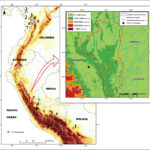
The heart of Rhinella parecis’ existence beats within a surprisingly limited and geographically unique range, predominantly in Brazil’s mosaic of highland forest ecosystems. Named after the Parecis Plateau in the Brazilian state of Rondônia and neighboring regions, the frog makes its home in sub-montane and montane forests characterized by lush vegetation, humid climates, and pristine waterways.
Forest Floor Dwellers#
Unlike some of its tree-dwelling amphibian counterparts, Rhinella parecis opts for life firmly grounded on the forest floor. Here, the forest layers create dense carpets of fallen leaves and branches that provide ample hiding places and rich hunting grounds. This preferred habitat is characterized by relatively high humidity and temperatures hovering within stable moderate ranges. Such conditions support abundant prey populations, ensuring reliable nourishment for the frogs.
Vital Connection to Water#
Freshwater sources—often gently flowing streams or isolated pools shaded by thick canopies—are crucial for Rhinella parecis. These waters provide essential breeding and nursery grounds for offspring, creating a link between aquatic breeding habitats and terrestrial foraging grounds. The ongoing health of these freshwater ecosystems directly impacts the survival of the frog, demonstrating how delicately interconnected biodiversity truly is.
An Unpretentious Beauty: Physical Characteristics of Rhinella parecis#
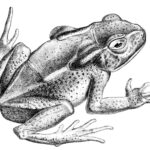
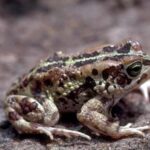
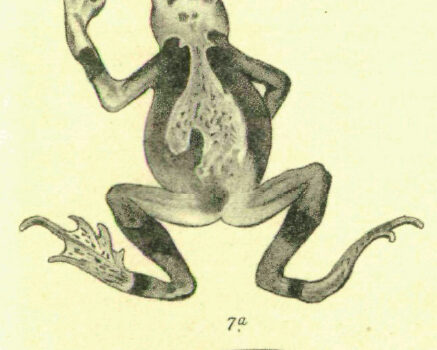
Upon a closer look, Rhinella parecis showcases intriguing yet cryptic patterns ideal for blending virtually unseen among leaf litter. Individuals typically measure between 3.5 to 5 centimeters in snout-vent length, placing them among smaller members of their genus. Their compact yet sturdy build bears testament to a life spent exclusively among the rugged terrains and dense underbrush.
Anatomy Crafted for Survival#
The skin of Rhinella parecis, rough and warty like most bufonids, exhibits a subtle blend of earth-toned hues—rich browns, grassy greens, and subtle yellowish highlights arranged in marbled or irregular camouflage patterns. These colors and patterns effectively disguise them from predators and prey, facilitating their cryptic existence.
Their distinct parotoid glands, located just behind the eyes, produce toxins as a defense mechanism against predators. These visible yet discreetly positioned glands are essential adaptations, protecting Rhinella parecis from potential threats from larger amphibians, reptiles, mammals, and even some birds.
Behind the Forest Veil: Behavior and Life Cycle#
Rhinella parecis leads a discreet existence, primarily nocturnal, emerging from hiding spots beneath logs, leaves, or debris as dusk settles over the forest. The cover of darkness brings optimal hunting conditions and minimizes daytime predation risks, enabling these amphibians to forage efficiently and safely.
Feeding Habits: Masters of Ambush#
While small in size, Rhinella parecis excels as an ambush predator, preying upon insects, arachnids, and small invertebrates found in debris-rich forest floors. Using stealth and patience, the frog remains immobile, awaiting prey movement, only to strike swiftly with remarkable precision—its sticky tongue darting quickly to snare unsuspecting insects.
Reproduction: Songs of the Highlands#
The forest rings with acoustic symphonies during the breeding season, as males find secluded waters and emit distinctive calls, a rhythm necessary to attract potential mates. Each male’s call—unique in pitch, frequency, and repetition–is more than acoustic artistry; it is a critical evolutionary adaptation improving mate selection amidst dense forest terrain.
Female Rhinella parecis lay strings of eggs carefully attached to submerged vegetation. Days later, aquatic tadpoles hatch, nourishing themselves initially from yolk reserves before exploring their aquatic world. Metamorphosis transforms tadpoles into tiny frogs, perfectly adapted for terrestrial life, repeating the generational cycle anew.
A Crucial Piece of Ecological Harmony#
Beyond mere survival, Rhinella parecis contributes significantly to its ecosystem’s overall health. Predators and prey alike are interwoven in interconnected ecological webs, and this frog proves no exception. By consuming insects and other pests, it helps control potential overpopulation that could otherwise negatively impact vegetation health and ecosystem balance.
Moreover, as prey themselves, they supply nourishment to predators like snakes, birds, and small mammals, thereby continually fueling food web dynamics. Even more compelling, amphibians, including Rhinella parecis, serve as excellent bioindicators. Monitoring these species can reveal crucial information about ecosystem health, freshwater stability, and environmental degradation—providing invaluable insights for environmentalists and conservation biologists.
Challenges Facing Rhinella parecis: Threats and Conservation#
Sadly, like many amphibians worldwide, Rhinella parecis faces increasing challenges. Habitat loss due to deforestation, agricultural expansion, and infrastructure development threatens its specific and sensitive natural habitat. Additionally, climate change-driven alterations in rainfall patterns and temperature variability can dramatically transform or completely dry up essential breeding grounds, significantly impacting their reproductive success and survival rates.
Currently, Rhinella parecis is classified by IUCN as Data Deficient, meaning conservationists need more information to accurately assess population trends and possible conservation actions required. Scientists and research teams are actively working not only to better understand this elusive amphibian species’ biology but also implement protective conservation management strategies to safeguard critical areas within its habitat, particularly those directly influencing breeding and development success.
Frog of Knowledge: Cultural and Scientific Significance#
While not as culturally prominent as some animals, amphibians including Rhinella parecis carry symbolic weight in various indigenous communities, where frogs represent rain, fertility, renewal, or change—due to their remarkable life cycles blended between aquatic and terrestrial environments.
Scientifically, unlocking the mysteries of Rhinella parecis has broader implications across ecology, evolution, and even medicine. Amphibians, known for producing compounds valuable in disease treatments and medicine, offer significant potential; understanding species like Rhinella parecis provides fresh clues into toxin production, antimicrobial properties, and ecological health indicators crucial to conservation medicine initiatives worldwide.
Guardians of the Forest: Preserving the Legacy of Rhinella parecis#
Deep within Brazil’s hidden plateau forests, Rhinella parecis quietly performs its invaluable ecological role, adapting continuously to environmental pressures. Appreciating and conserving species like Rhinella parecis goes beyond protecting a single species; it’s safeguarding the complex tapestry of life that sustains crucial ecosystems and, ultimately, human wellbeing.
As nature enthusiasts, scientists, conservationists, or simply environmentally conscious individuals, we must advocate for informed conservation action, habitat protection, and climate change mitigation that benefit Rhinella parecis and countless species similarly dependent on fragile ecosystems worldwide. Together, we can ensure the rhythmic chorus of Rhinella parecis continues to resonate through generations.