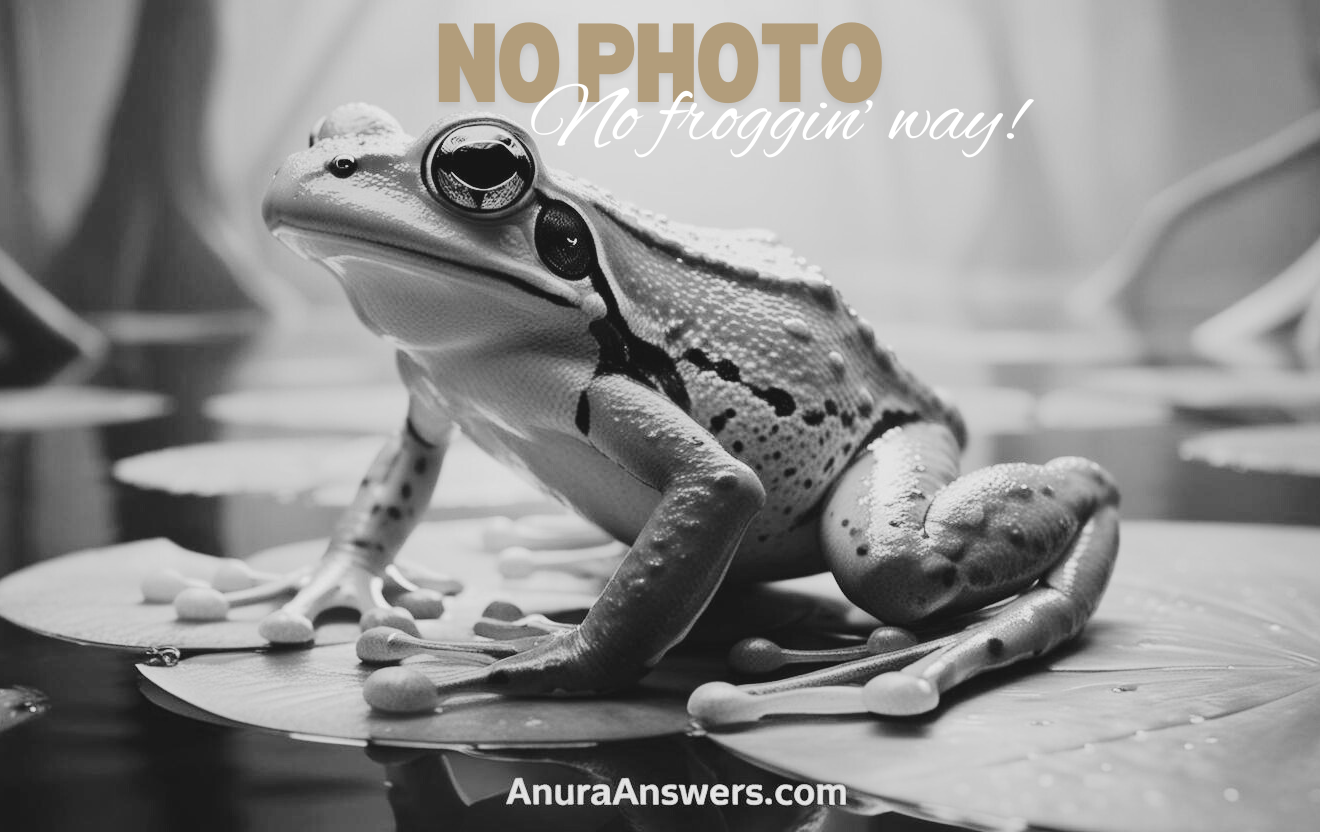
Rhinella magnussoni: Discovering the Elusive Amazonian Marvel#
The Amazon rainforest, renowned for its extraordinary biodiversity, never ceases to reveal surprises. Each creature it shelters tells a unique tale, evolving in harmony with the immense complexity of this vast jungle ecosystem. Among these extraordinary organisms stands Rhinella magnussoni, a relatively obscure yet profoundly fascinating amphibian species. With its wide-eyed gaze and cryptic coloration, this characterful frog captivates both seasoned scientists and curious nature enthusiasts alike.
Named as an homage to renowned herpetologist Dr. William Magnusson, Rhinella magnussoni, colloquially referred to as Magnusson’s toad, illustrates beautifully how nature presents life in magnificently inventive forms. Beyond its beguiling appearance lies a compelling ecological role, intriguing behavioral patterns, and subtle yet significant links connecting this species to its fragile rainforest home. As we embark upon this exploration, let us unearth the remarkable secrets of this extraordinary frog species hidden deep within the lush tapestry of the Amazon.
Taxonomy and Classification#
Rhinella magnussoni falls under the expansive amphibian order Anura, home to thousands of species known collectively as frogs and toads. Delving deeper, it is grouped within the Bufonidae family, informally termed “true toads.” Characterized by their rugged, warty skin, stout bodies, and relatively short limbs, members of Bufonidae have successfully adapted to environments across the globe. Among these remarkable survivors, the genus Rhinella, found predominantly in Central and South America, stands out prominently due to its great species diversity and wide ecological range.
Within this genus, Rhinella magnussoni holds a distinctive identity. First formally described by Lima, Menin, and Araújo in 2007, this species was discovered during meticulous research efforts aimed at delineating frog diversity within the Brazilian Amazon. Though similar at first glance to closely related cousins, including Rhinella marina, this species presents subtle yet consistent morphological traits and calls that confirm its unique identity in the vast amphibian mosaic of the rainforest.
Natural Habitat#
Immerse yourself for a moment in the humid embrace of the Río Madeira basin, nestled deep within the Brazilian Amazon. Here, sunlight penetrates dense leafy canopies in dapples and bursts, illuminating moss-laden trunks and muddy streams with a soft green glow. Leaf litter blankets the forest floor, providing habitat for myriads of creatures, big and small, hidden within.
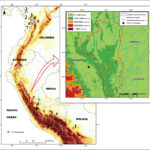
It is precisely in this damp, shadowy wonderland that Rhinella magnussoni thrives. The species has been recorded predominantly in lowland rainforest habitats of the southwestern Amazon, notably in the states of Rondônia and western Amazonas, Brazil. Frequently encountered near seasonal ponds, slow-moving streams, and swampy depressions, this amphibian prefers moist terrestrial conditions, highly dependent upon steady rainfall and humidity characteristic of the Amazon region.
This niche preference becomes critical during the breeding season. Forest floor ponds and puddles spring to life during wet periods, offering ideal breeding conditions. Such microhabitats protect eggs and tadpoles from predators and drying up prematurely. Researchers often witness these environments teeming with thriving amphibian communities, of which Rhinella magnussoni becomes an integral contributor.
Physical Characteristics#
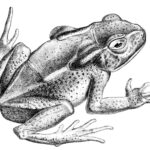
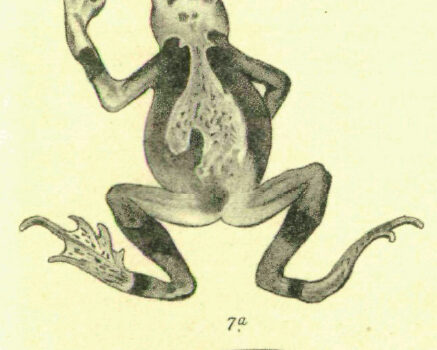
At first glance, the unassuming figure of Rhinella magnussoni may seem a subtle creature compared to some of the more flamboyant Amazonian tree frogs. Yet, upon closer inspection, captivating details appear. Adult individuals generally measure between 50 to 75 millimeters in length, with females typically slightly larger than males. Their stout bodies bear the trademark characteristics of a true toad, sturdy and robust, ideal for terrestrial movement through dense undergrowth.
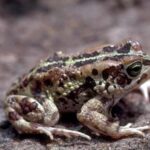
Coloration in Rhinella magnussoni showcases an impeccable mastery of camouflage. Shades of earthy browns, olive green, and mossy greys intermingle across their skin, marked by small dark spots and splotches mimicking dappled sunlight and shadows of the forest floor. Their rough, warty skin provides additional texture, resembling bark, soil, or leaf litter so thoroughly that these toads can easily vanish from sight within seconds.
Their large, expressive eyes, ringed prominently by coppery-brown to golden hues, possess pupils adapted expertly for low-light conditions characteristic of their forest habitats. In fact, all these features combine beautifully, offering Rhinella magnussoni both protection from predators and stealth advantages in hunting their prey within their shadowy terrestrial universe.
Behavior and Life Cycle#
A Subtle Predator of the Forest Floor#
This enigmatic creature tends towards nighttime activity, emerging carefully at dusk to pursue its careful hunting routines. Ambushing or actively stalking an array of insects—primarily ants, termites, beetles, and crickets—Rhinella magnussoni plays an essential role as a nuanced predator, regulating invertebrate populations and consequently weaving itself into the Amazonian ecological fabric.
The Symphony of Courtship#
When the Amazon rains intensify into the persistent rhythms of December through March, Magnusson’s toads awaken to the call of reproduction. Congregating around temporary forest pools formed by rainwater, male toads emit deep, resonant mating calls. Each melodious note, somewhat akin to low rhythmic trills, echoes hauntingly beneath the verdant canopy, permeating the damp night air in an entrancing chorus signaling mating readiness.
Female toads answer these serenades with selective experimentation, drawn most strongly to males demonstrating vigor through sustained energetic calls. Upon selection of a mate, pairs enter amplexus—the male gripping the female securely as she deposits long strings of gelatinous eggs within shallow water pools or rain-flooded depressions.
From Tadpole to Toad#
Over ensuing weeks, aquatic tadpoles hatch from the eggs, well adapted to feed upon algae, detritus, and organic residues cluttering these temporary ponds. The tadpole stage of Rhinella magnussoni offers crucial ecosystem services by moderating pond nutrients and keeping aquatic vegetation balanced. After a careful developmental period lasting approximately two months, fully formed young toads crawl from their natal pools, venturing boldly into the terrestrial realm.
Ecological Role#
Every animal bears significance, influencing the threads of ecosystems big and small. As a skillful predator of numerous insect species, Rhinella magnussoni simultaneously functions as a valuable prey item for snakes, small mammals, birds, and larger amphibians. Additionally, these frogs contribute energetically, consuming biomass at the base of the food chain, recycling nutrients, and stabilizing food webs.
Furthermore, frogs including Rhinella magnussoni often provide sensitive indicators of forest ecosystem health due to their permeable skins and dual aquatic-terrestrial lifecycles. Their presence can indicate pristine forest environments where pollution is minimal, and their unexpected decline serves as early warnings of foreboding ecological shifts.
Threats and Conservation Status#
The Amazon’s march towards human development and resource extraction casts looming threats upon bioindicator species such as Rhinella magnussoni. Habitat loss due to logging, agricultural expansion, and infrastructural development fragments and damages pristine rainforest habitats critical for amphibian survival. Moreover, global climate instability may alter rainfall patterns, jeopardizing reproduction cycles and reducing larval habitat quality.
Currently, precise population assessments and conservation status listings for Rhinella magnussoni remain incomplete, rendering its vulnerabilities largely unknown. However, scientists advocate diligent habitat protection and conservation assessment as paramount for preserving the species and the intricate ecosystems it represents.
Cultural and Scientific Significance#
Named after Dr. William Magnusson, a fervent advocate of Amazon biodiversity research, this toad symbolizes scientific curiosity, conservation awareness, and dedication to understanding our planet’s fragile, interconnected biological heritage. Although cultural connections with the indigenous peoples of the Amazon rainforest remain undocumented specifically for this species, widespread reverence for frogs as symbols of water purity and renewal offers hopeful narratives around amphibian conservation.
Conclusion#
Rhinella magnussoni, the Amazon’s cryptic and elusive forest inhabitant, invites deeper appreciation for its role as predator, prey, ecosystem indicator, and charismatic ambassador. This humble yet significant toad gently nudges us closer to a meaningful awareness of our intertwined relationships within nature. Let this small amphibian inspire us all to protect Amazonian habitats—so seemingly resilient yet undeniably vulnerable—and strengthen commitments to understanding and supporting conservation efforts safeguarding life, diversity, and wonder hidden within Earth’s precious wilderness.