- Discovering Rhinella lindae: Secrets of a Hidden Amazonian Jewel
- Taxonomy and Classification of Rhinella lindae
- The Natural Habitat of Rhinella lindae
- Physical Characteristics: Nature's Artistry at Work
- Behavior and Life Cycle: The Secret Lives of Rhinella lindae
- The Ecological Role of Rhinella lindae
- Current Threats and Conservation Status
- Cultural and Scientific Significance of Rhinella lindae
- Conclusion: Championing the Quiet Guardians of the Forest Floor
Discovering Rhinella lindae: Secrets of a Hidden Amazonian Jewel#
In the intricate tapestry of Amazonian biodiversity hides a creature as captivating as it is elusive: Rhinella lindae. Known affectionately by ecologists as Linda’s Toad, this fascinating amphibian inhabits some of Earth’s most secluded rainforest corners, revealing its enchanting secrets only to the most patient and devoted naturalists. While undeniably charismatic, this species goes largely unnoticed by the public eye, quietly playing a pivotal role within the intricate network of rainforest life.
First described scientifically only recently, Rhinella lindae prompts both intrigue and curiosity—its unusual patterns, cryptic behaviors, and specific ecological niche telling a story that resonates deeply within the heart of Amazonian conservation efforts. Join us on a journey through the misty forests, hidden streams, and secretive lives of this compelling Amazonian amphibian.
Taxonomy and Classification of Rhinella lindae#
Rhinella lindae belongs to the vast and diverse Bufonidae family—commonly known as the true toads. This extensive group comprises more than 600 known species, characterized by their warty appearances and drier skin texture, a stark contrast to many of their frog relatives. Within the Bufonidae, our amphibian belongs to the genus Rhinella, a widespread group distributed primarily across Central and South America.
A Closer Look at the Genus Rhinella#
The genus Rhinella includes some familiar species, such as the sizable cane toad (Rhinella marina), but Rhinella lindae is markedly distinct, sharing subtle morphological traits with a subset of lesser-known Amazonian relatives. Its unique evolutionary path marks it as a species not only fascinating in its own right but also hugely significant in understanding toad evolution and diversification across South America’s tropical forests.
The Natural Habitat of Rhinella lindae#
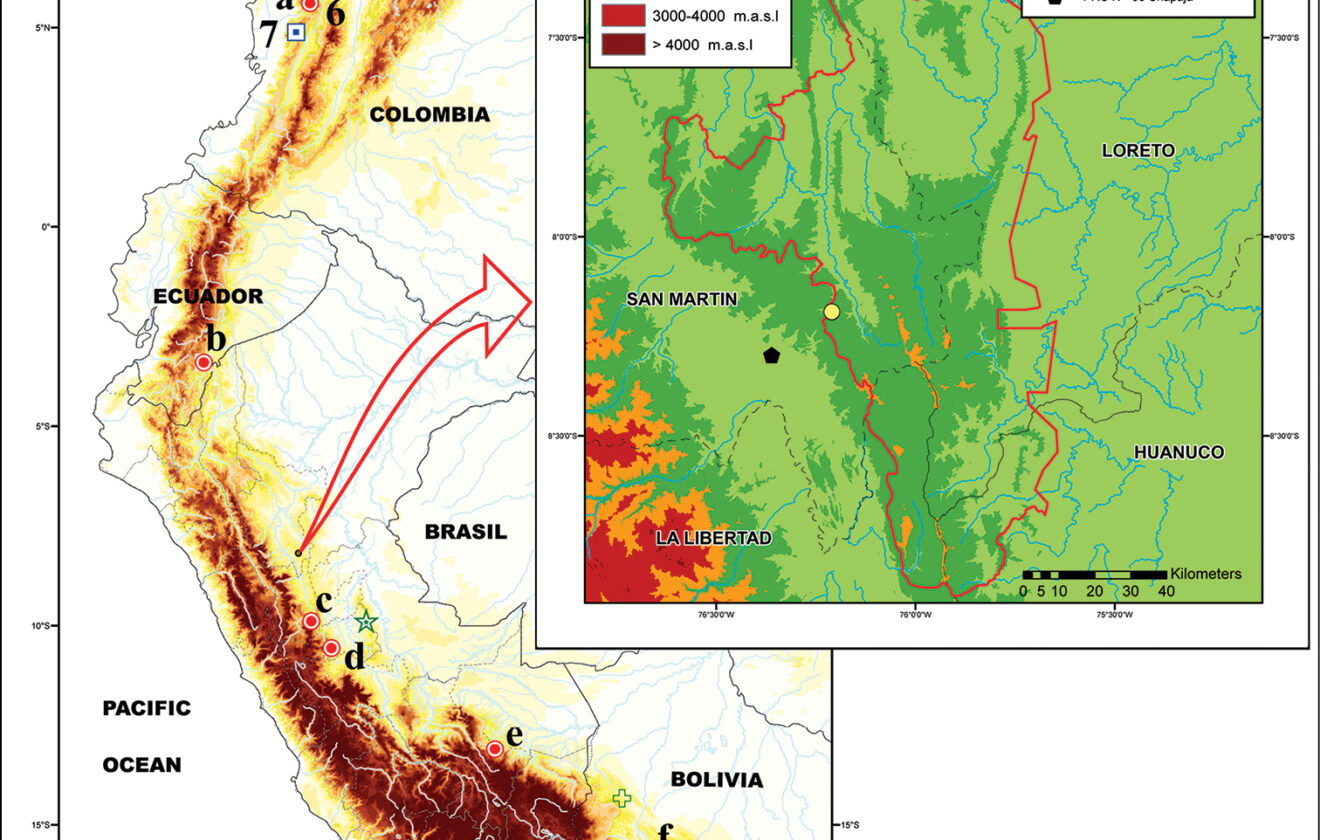
Journey into the emerald depths of northwestern Amazonia, and if fortune favors you, you might encounter the cryptic Rhinella lindae. Primarily found within remote regions of Peru, Ecuador, and Colombia, this shy amphibian thrives within pristine, humid lowland rainforest habitats. It favors forest floors laden with leaf litter, fallen trees, and dense, verdant undergrowth that few humans have traversed.
A Forest Floor Specialist#
Unlike some arboreal frogs that sparkle amid rainforest canopies, Linda’s Toad remains earth-bound, artfully entrenching itself in damp, shadowy recesses near slow-moving streams, ponds, or seasonal pools. The consistent availability of moisture in these shaded microhabitats ensures that Rhinella lindae remains hydrated and protected from predators beneath its leaf-laden sanctuary. Dense leaf litter not only provides cover from predators but is teeming with invertebrates that make up the entirety of this toad’s diet, creating an optimal environment for feeding without venturing far beyond the safety of its shelter.
Adaptation Within its Environment#
The habitat preferences of Rhinella lindae are vital to its survival, especially in navigating the extreme daily fluctuations of temperature and humidity characteristic of tropical rainforests. Its territorial fidelity toward particular microhabitats further highlights the importance of conservation. Even slight alterations to its microclimate—as caused by deforestation or fragmentation—could threaten its very existence.
Physical Characteristics: Nature’s Artistry at Work#
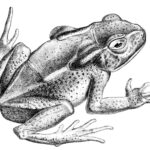
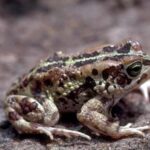
Smaller and considerably more delicate in appearance than many of its relatives, Rhinella lindae ranges from approximately 30–50 mm in length, rendering it inconspicuous but fascinating to study closely. Its coloration is an intriguing mosaic of earthy browns and greens, peppered with intricate lighter and darker patches that resemble the sun-speckled forest floor it inhabits.
A Master of Camouflage#
The cryptic markings are perfectly orchestrated by nature’s brush, allowing the toad to blend seamlessly into its surroundings. This natural camouflage is critical to its survival, offering protection from predators such as birds, snakes, and even small mammals. Careful examination reveals a gently rounded snout, coupled with large, dark eyes adapted for superior night vision, essential for hunting and evading predators during nocturnal escapades.
Skin Adaptations and Defensive Mechanisms#
Linda’s Toad exhibits the characteristic glandular skin common in toads, but on closer inspection, distinctively sized parotoid glands located behind the eyes become evident. These glands contain mildly toxic secretions released defensively when threatened, serving as an effective deterrent against many potential predators. Although its toxin is not lethal to humans, its potent chemical defense underscores the complex evolutionary arms race between predators and their prey, a narrative subtly encoded within the biology of Rhinella lindae.
Behavior and Life Cycle: The Secret Lives of Rhinella lindae#
Hidden beneath forest canopies, Rhinella lindae emerges from its concealment primarily at night. Under the protective veil of darkness, it embarks upon its daily patrol in search of sustenance, preying predominantly upon invertebrates such as ants, spiders, beetles, and occasionally larvae of aquatic insects.
Mating and Reproductive Behavior#
When the wet season arrives, signaling an abundance of water and resources, Rhinella lindae embarks on its reproductive activities. Males advertise their presence with gentle yet distinctive calls resonating from strategic positions alongside aquatic breeding habitats. These harmonious nighttime serenades attract females, sparking a series of interactions culminating in amplexus, a breeding embrace during which fertilization occurs externally, laying eggs into protected aquatic environments.
Unique to this species, egg clutches are often anchored beneath submerged vegetation or debris to ensure development and safety. Tadpoles grow rapidly within ephemeral forest pools and shallow streams, undergoing remarkable transformations as they slowly metamorphose from aquatic larvae into fully terrestrial juveniles, mirroring the complex cycles and seasonal rhythms of their rainforest habitat.
The Ecological Role of Rhinella lindae#
Despite its modest size and inconspicuous lifestyle, Rhinella lindae occupies a critical ecological niche within the Amazonian forest ecosystem. Serving as both predator and prey, Linda’s Toad helps regulate invertebrate populations significantly, contributing to ecological balance and overall biodiversity health.
An Indicator of Healthy Habitats#
Amphibians, including Rhinella lindae, are often hailed as critical indicator species. Their permeable skins make them especially sensitive to pollutants, climate variances, and habitat alterations, reinforcing their remarkable value for evaluating environmental health. Observations about the population stability and overall health of Rhinella lindae populations convey valuable insights into rainforest conditions and guide necessary protective measures.
Current Threats and Conservation Status#
The subtle but mounting pressures of deforestation, habitat fragmentation, climate change, pollution, and disease pose tangible threats to Rhinella lindae. Many parts of its natural habitat face encroachment by logging, agricultural expansion, and illegal mining, challenging the amphibian’s continued existence within intact ecosystems.
IUCN Status and Conservation Actions#
Rhinella lindae is currently classified as Data Deficient by the International Union for Conservation of Nature (IUCN) due to a lack of comprehensive information about population size, range, and threats. Conservationists remain deeply concerned and stress urgent studies to assess population baseline data, habitat requirements, and potential vulnerabilities.
Organizations, research institutions, and community conservation initiatives have recently boosted efforts, initiating scientific research and awareness campaigns, employing local community participation to both protect and celebrate this fascinating frog and its ecological significance.
Cultural and Scientific Significance of Rhinella lindae#
Though not prominently embedded within popular cultural mythology, Rhinella lindae maintains significance as a symbol of biodiversity and biological complexity inherent in Amazonian ecosystems. For scientists, it represents an essential thread within intricate ecological and evolutionary narratives, fostering scientific curiosity and exploration into processes of adaptation, speciation, and ecological interconnectedness.
Conclusion: Championing the Quiet Guardians of the Forest Floor#
In the shadows of towering trees and dense, humid foliage of the Amazon lies Rhinella lindae—a creature whose gentle whispers weave seamlessly into the vast, complex orchestra of rainforest life. The preservation of such a species demands recognizing and addressing the imminent threats, dedicating resources toward research, and unifying toward conservation solutions.
As champions for biodiversity, we carry responsibility beyond mere admiration—committing to meaningful actions ensuring these remarkable amphibians continue thriving, fulfilling their silent but vital ecological roles. Let Rhinella lindae inspire you to delve deeper into wildlife conservation, explore the richness of amphibian biodiversity, and lend your voice to protecting these silent guardians of our planet’s precious ecosystems.