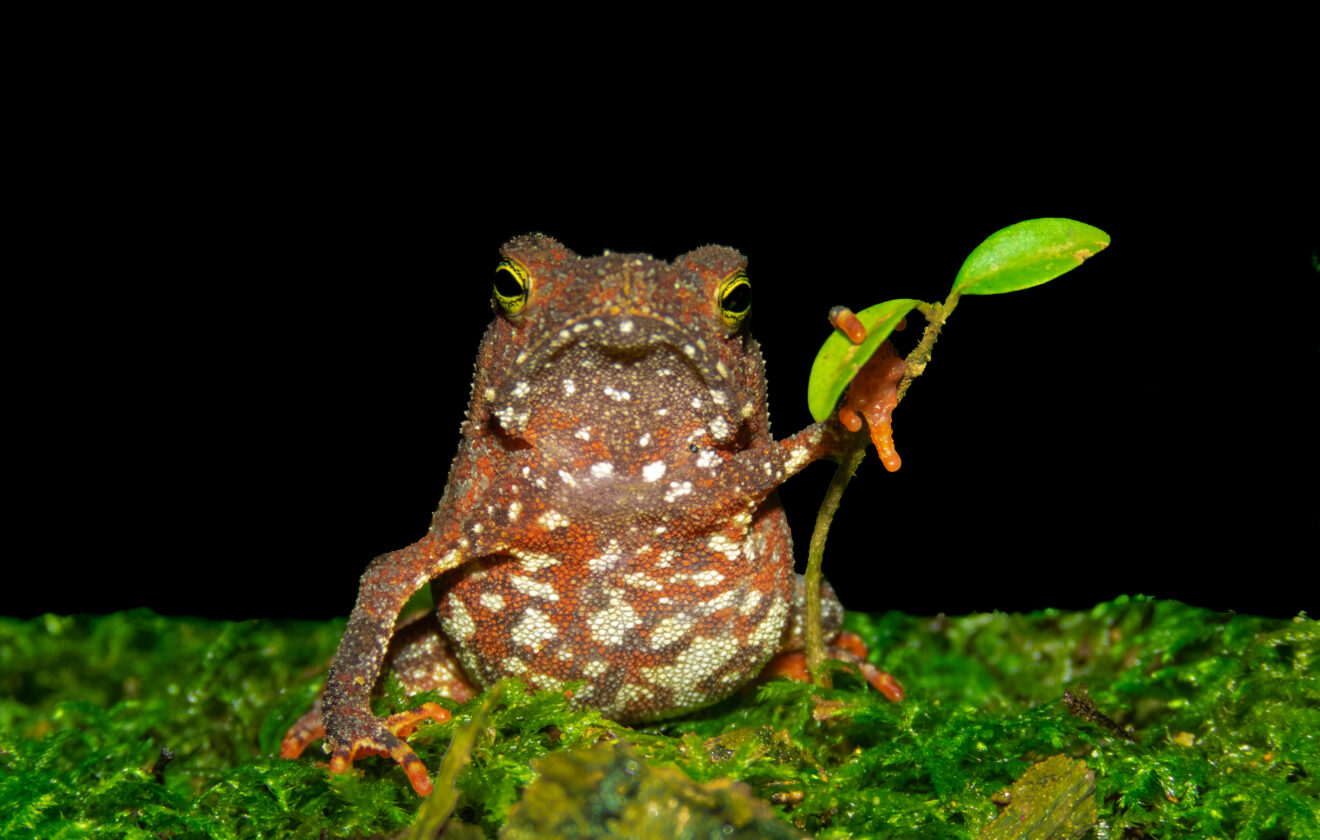
- Meet Rhinella hoogmoedi: Exploring the Hidden Lives of the Amazon's Fascinating Toad
Meet Rhinella hoogmoedi: Exploring the Hidden Lives of the Amazon’s Fascinating Toad#
Beneath the lush, dripping leaves and tangled roots of the Amazon rainforest floor, a small but resilient amphibian quietly navigates its thriving, emerald world. Rhinella hoogmoedi, commonly known as Hoogmoed’s Toad or Hoogmoed’s Rhinella, is often overlooked amidst the rich tapestry of Amazonian biodiversity. Yet, this diminutive amphibian, cloaked in subtle shades of brown, olive-green, and ochre, holds fascinating secrets—from its ingenious defensive adaptations to its integral role as an ecological sentinel.
With a scientific name that honors distinguished herpetologist Marinus Steven Hoogmoed, Rhinella hoogmoedi reveals an extraordinary life hidden beneath its inconspicuous appearance. To nature enthusiasts, students, and conservation advocates alike, understanding the quiet lives of such underrated creatures illuminates broader insights into rainforest ecology, conservation, and the unseen beauty of Earth’s biodiversity.
Taxonomy and Classification#
Rhinella hoogmoedi belongs within the diverse Bufonidae family, collectively known as true toads. Previously categorized under the expansive genus Bufo, recent deeper genomic analyses have clarified its placement within the genus Rhinella. This genus comprises a multitude of species, many of which are characterized by their cryptic coloration and complex medicinal biochemistry.
Classified as Rhinella hoogmoedi, this species inhabits a taxonomic space shared with closely related species such as Rhinella margaritifera and Rhinella proboscidea. Often misidentified in the field due to similar appearances, careful observation is necessary to distinguish Hoogmoed’s toad from its close relatives, thus highlighting the importance of experienced taxonomists and field research.
Natural Habitat#
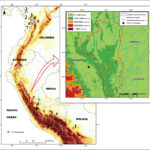
The lush rainforests of northern South America are the primary domain of Rhinella hoogmoedi. Found predominantly across Brazil, Guyana, Suriname, French Guiana, Venezuela, and parts of Colombia, these resilient amphibians thrive in humid, lowland rainforest ecosystems. Unlike some amphibians that descend from trees at night, the Rhinella hoogmoedi lives predominantly on the rainforest floor, weaving its daily life through leaf litter, hidden beneath decaying logs or nestled in the sheltering embrace of buttressing tree roots.
A highly adaptive creature reliant on moisture, Hoogmoed’s toad also favors habitats along slow-moving streams, seasonal ponds, and swampy regions where it can locate abundant prey and safely reproduce. Reliance on microhabitats such as leaf litter and woody debris is critical, allowing these amphibians to maintain their hydration, regulate body temperature, and evade predators through effective camouflage amongst decaying organic material.
Physical Characteristics#
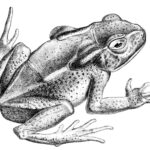
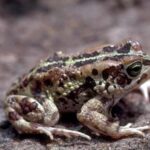
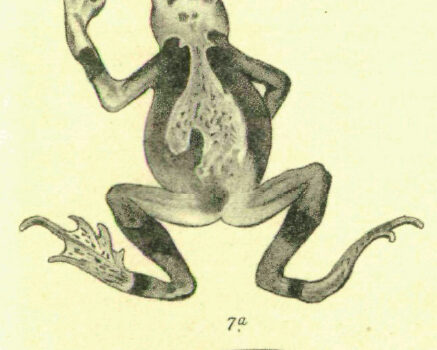
At first glance, Rhinella hoogmoedi may appear rather unremarkable—small, averaging around 3–5 centimeters in length, cloaked in cryptic earth tones designed for concealment. However, upon closer inspection, this toad’s nuanced beauty is revealed. The dorsal surface, usually a mosaic of rich browns, olive hues, and hints of reddish-orange, resembles damp leaf litter or mottled bark, moving silently and invisibly against the rainforest floor.
Skin texture is noticeably granular, adorned with subtle verrucae (small wart-like bumps), particularly pronounced along the back and limbs. These irregular textures aid in breaking the outline of the body, enhancing camouflage from keen-eyed predators. Like many toads, conspicuous glands—known as parotoid glands—sit behind the eyes, secreting toxins as defensive mechanisms effective in deterring predators such as birds, snakes, and small mammals.
The eyes of Rhinella hoogmoedi also portray hints of their nocturnal preferences, large with horizontal elliptical pupils adapted to capture the faintest light filtering through the forest understory near twilight. Such adaptations allow the toad to accurately spot prey movements and quickly respond to approaching threats.
Behavior and Life Cycle#
Feeding and Hunting Strategies#
As opportunistic feeders, Hoogmoed’s toads primarily hunt small invertebrates such as insects, spiders, and larvae inhabiting leaf litter. With an ambush-predation strategy, Rhinella hoogmoedi remains stationary, blending seamlessly with its surroundings, while awaiting unsuspecting prey. Once a target ventures too close, the toad instinctively flicks out its agile, sticky tongue with remarkable speed and precision, drawing its nutritious meal swiftly into its mouth.
Breeding Behaviors and Tadpole Development#
During periods of heavy rains—characteristic of their rainforest habitats—adult Rhinella hoogmoedi emerge en masse and become more active, driven by reproductive instincts. Male individuals fill the nighttime jungle air with characteristic advertisement calls, resonant clicks delivered rhythmically to outcompete rival males and to attract receptive females.
Female Hoogmoed’s toads lay long, gelatinous strings of eggs submerged beneath shallow, slow-flowing water bodies or small seasonal ponds formed temporarily by the rains. After fertilization by attentive males, eggs hatch within days, producing delicate tadpoles perfectly adapted to an aquatic existence. Tadpoles display cryptic coloration and rapid development—a strategy crucial in temporary aquatic habitats.
Metamorphosis follows swiftly; within several weeks, fully developed young toads emerge from water onto land to begin terrestrial lives fraught with predation risks yet abundant opportunity. Because parental care is minimal to nonexistent—common among amphibian reproductive strategies—young Rhinella hoogmoedi rely heavily upon instinct, stealth, and camouflage for survival.
Ecological Role#
Though modest in size and population count, Rhinella hoogmoedi performs vital ecological services within rainforest environments. Their voracious appetite for insects helps regulate potentially harmful insect populations, contributing naturally to rainforest health. Simultaneously, they fulfill the role of primary prey for a variety of larger predators, serving as indispensable nourishment within complex food webs.
As amphibians are particularly sensitive to environmental changes, Hoogmoed’s toad also functions inherently as an indicator species. Scientists and researchers frequently monitor their populations and general health to better understand ecosystem integrity, responses to climate change, pollution, or emerging infectious diseases like chytridiomycosis.
Threats and Conservation Status#
While currently listed by the IUCN Red List as a species of Least Concern, Rhinella hoogmoedi still faces considerable threats linked to habitat loss, deforestation, and disruption due to expanding agriculture, logging, mining operations, and infrastructure developments. Climate change—with its shifting rainfall patterns impacting breeding and tadpole survivability—also represents an emerging risk requiring close monitoring.
Additionally, global amphibian declines due to fungal diseases and water contamination persistently threaten isolated populations, reminding conservationists that even seemingly abundant species hold fragile positions within complex ecological balances.
Efforts to ensure the preservation of Rhinella hoogmoedi’s habitats involve regional conservation initiatives, widespread environmental education among local communities, and advocating sustainable land-use practices to protect vital rainforest ecosystems. Several national parks, reserves, and community-driven conservation initiatives already safeguard numerous populations and must be championed and expanded further.
Cultural and Scientific Significance#
For indigenous peoples of the Amazon, amphibians like Rhinella hoogmoedi often hold cultural significance as spiritual symbols, indicators of seasonal changes, or even as traditional medicinal components. While traditional uses of amphibians remain less documented in the case of Rhinella hoogmoedi than for some larger species, this toad’s existence contributes to overall species richness and cultural regard for wildlife within diverse indigenous traditions.
In scientific contexts, studies involving Rhinella species continue uncovering unique biochemical compounds found in their skin secretions, holding promise for medicinal applications, antimicrobial drugs, and biological research endeavors. Thus, Rhinella hoogmoedi remains a species with alluring secrets, inviting ever-deeper exploration.
Conclusion: Protecting the Hidden Wonders of the Amazon Rainforest#
While Rhinella hoogmoedi may not immediately command the spotlight in discussions of wildlife conservation, its quiet presence and intricately adapted lifestyle vividly remind us of biodiversity’s richness hidden in plain sight. Appreciating the significance and complexity of lesser-known species like Hoogmoed’s toad reveals key lessons about ecological interconnectedness, sensitive habitats, and the urgent need for continued conservation action.
As enthusiasts, naturalists, and conservation advocates, our awareness and appreciation of amphibians like Rhinella hoogmoedi can inspire deeper commitments toward protecting and conserving the Amazon rainforest—an invaluable sanctuary for millions of extraordinary creatures, large and small. Together, let’s champion this hidden toad and ensure future generations delight in discovering the mysteries held quietly beneath the leaves.