- Discovering Rhinella castaneotica: Secrets of the Chestnut-bellied Forest Toad
- Taxonomy and Classification of Rhinella castaneotica
- The Rainforest Realm: Habitat of Rhinella castaneotica
- Unveiling the Chestnut-bellied Forest Toad's Appearance
- The Secret Life: Behavior and Life Cycle of Rhinella castaneotica
- A Vital Link: The Ecological Role of Rhinella castaneotica
- Threats Facing Rhinella castaneotica and Conservation Strategies
- Cultural and Scientific Insights from Rhinella castaneotica
- Protecting Rhinella castaneotica—A Call for Conservation
Discovering Rhinella castaneotica: Secrets of the Chestnut-bellied Forest Toad#
Deep within the lush, verdant shadows of South America’s tropical forest lies a creature rich with intriguing behaviors and enigmatic adaptations. Its small stature belies the vital ecological roles it fulfills, blending seamlessly into the dense tapestry of leaves, roots, and moist earth. Meet Rhinella castaneotica—also known among locals and researchers as the Chestnut-bellied Forest Toad—a species quietly dwelling within the Amazon Basin, whose very existence whispers stories of evolutionary mastery and ecological importance.
The Chestnut-bellied Forest Toad (Rhinella castaneotica) belongs to a charismatic yet often overlooked assembly of amphibians in the family Bufonidae. One glance at its subtle coloration might suggest ordinariness, yet a deeper understanding reveals a remarkable life, playing out quietly beneath forest canopies. Few species illustrate nature’s incredible adaptability as convincingly as this modest amphibian, whose mysterious habits continue to captivate scientists and conservationists alike.
Taxonomy and Classification of Rhinella castaneotica#
The journey of discovery for Rhinella castaneotica began with meticulous observation and classification by herpetologists keen on understanding Amazonian biodiversity. This species finds itself within the extensive Bufonidae family, a broad amphibian group comprising the familiar “true toads.” Specifically, Rhinella castaneotica is nestled within the expansive genus Rhinella, known for its intriguing morphological diversity and impressive adaptability.
The scientific name “castaneotica” aptly reflects the species’ distinctive chestnut-toned markings adorning its body, drawing from Latin (“castaneus”) meaning chestnut or brown. Its closest kin include Rhinella margaritifera and Rhinella proboscidea, notable cousins who share similar woodland habitats and unique adaptive traits. Genetic analyses and morphological studies continually refine our understanding, yet the identified classifications remain stable and definitive, offering clarity to those studying this intriguing toad.
The Rainforest Realm: Habitat of Rhinella castaneotica#
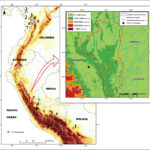
Embodying the intricate connectivity among the layers of rainforest life, Rhinella castaneotica thrives within the Amazon Basin’s humid ecosystems. Endemic to regions primarily found in northwestern Brazil, Peru, Ecuador, and parts of Colombia, this species favors the humid, shaded understory environments often found near slow-moving streams, leaf-littered forest floors, and hidden beneath dense vegetation.
A Hidden Amphibian World#
Life amid the leaf litter is an ideal existence for the Chestnut-bellied Forest Toad. Embracing the valuable microhabitats provided by fallen logs, humus-rich soils, and tangled roots, it remains mostly hidden during daylight hours. These sheltered spaces provide moisture, temperature regulation, food resources, and safety, all essential elements for its survival in such competitive environments.
Under the rainforest’s consistent canopy cover, Rhinella castaneotica engages with the rhythm of abundant yet meticulous life. The species’ preference for pristine primary forest areas emphasizes the critical importance of habitat preservation. Its particular habitation choices make it an excellent indicator species, reflecting forest health and ecological balance, guiding conservationists to better understand and protect fragile, disappearing ecosystems.
Unveiling the Chestnut-bellied Forest Toad’s Appearance#
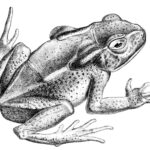
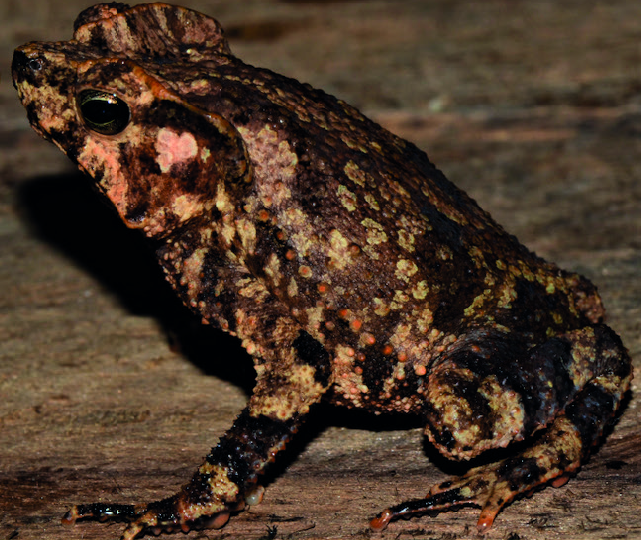
Observant explorers fortunate to encounter Rhinella castaneotica might initially overlook its intricately camouflaged figure. Measuring approximately 4 to 6 centimeters in length, it showcases humble dimensions befitting its discreet forest lifestyle. Its robust build—a hallmark of typical toads—includes a powerful pair of hind limbs adept at short leaps through dense foliage.
A Cloak of Forest Colors#
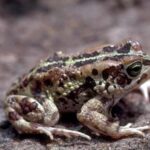
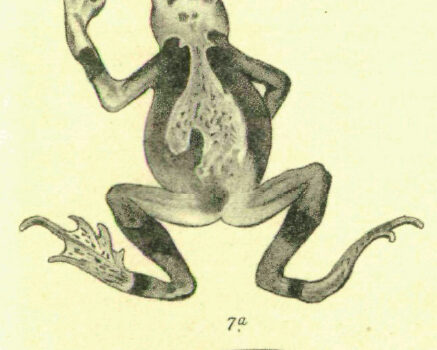
More strikingly, the species displays a remarkable palette of colors, intricately adapted to forest-floor concealment. The upper body wears varying shades of olive or brown, mottled with tiny specks and patches of darker browns, greys, and greens. Most notable is the characteristic chestnut hue ornamenting its belly and flanks, lending it the name castaneotica—imparting not merely aesthetic distinction, but critical camouflage vital for survival from predation.
Intriguing eyelids and parotoid glands behind each eye complete its unique appearance. The glands, large and prominent compared to other intimate details, carry natural defensive toxins common within Bufonidae, dissuading daring predators from making a meal of this tiny amphibian.
The Secret Life: Behavior and Life Cycle of Rhinella castaneotica#
Rhinella castaneotica demonstrates unique survival habits deeply entrenched within the complex Amazonian ecological web. Its primarily nocturnal nature enables it to efficiently avoid daytime predators and capitalize on warmer, more humid conditions at night. Under cover of darkness, quiet rustling along leaf-lined corridors signals its silent wanderings in search of nourishment.
Feeding Patterns and Hunting Techniques#
Invertebrates form the cornerstone diet for Rhinella castaneotica. Ants, termites, beetles, spiders, and caterpillars provide the protein-packed sustenance needed for its active rainforest life. The toad’s patient strategy involves careful stalking and waiting, deploying sudden jets of a sticky, extendable tongue to capture unsuspecting prey. Their relentless appetite for insects underscores the significant ecological role these toads fulfill as natural pest controllers, subtly maintaining forest balance by regulating invertebrate populations.
Mysterious Courtship and Breeding Habits#
Rainy seasons herald gatherings around quiet forest pools and flowing streams, where males serenade potential mates with gentle, resonant croaks audible solely within short ranges—ideal for subtly advertising their presence without attracting unwanted predators. Females respond selectively, choosing viable mates based upon vocal stamina and territorial positioning.
Once paired, female Rhinella castaneotica carefully deposits strings of gelatinous eggs in sheltered, shallow waters. A delicate process subject to environmental fluxes, egg deposition and subsequent tadpole development depend significantly upon stable wetlands. Within weeks, larvae metamorphose into terrestrial juveniles, joining the adult chorus navigating challenges inherent to their dense tropical environment.
A Vital Link: The Ecological Role of Rhinella castaneotica#
In the constantly oscillating environment of the rainforest, Rhinella castaneotica occupies crucial ecological niches. As selective insect predators, these toads manage insect population surges, indirectly supporting localized plant health and limiting disease vectors. Conversely, the toad serves as an essential nutrition source for predators, including snakes, birds, and small mammals.
Amphibians possess environmental sensitivity, placing Rhinella castaneotica among critical indicator species. Changes within populations often signal environmental disturbances, pollution, climate fluctuations, or habitat degradation—providing early warning signals to ecologists and conservation experts about threats facing delicate ecosystem balances.
Threats Facing Rhinella castaneotica and Conservation Strategies#
Despite adaptable attributes, Rhinella castaneotica faces mounting pressures typical to Amazonian amphibians. Habitat fragmentation and deforestation pose substantial threats, with logging, agriculture expansion, urbanization, and mining disrupting natural habitats. Additionally, global climate change alters rainfall patterns, temperature extremes, and disease prevalence, compounding survival challenges.
Current Status and Conservation Measures#
While detailed conservation status assessments remain limited, experts increasingly emphasize protective measures in vulnerable Amazonian areas. Prominent ecological groups and local governments promote habitat preservation, recognizing amphibian species as vital ecosystem components.
Educational initiatives detailing Rhinella castaneotica’s ecological significance underscore community awareness and environmental stewardship. Bolstering protected area networks, combined with habitat restoration, elevates survival prospects for these amphibians, fostering healthier ecosystems benefiting both biodiversity and ecological stability.
Cultural and Scientific Insights from Rhinella castaneotica#
Beneath scientific discovery and ecological observations lies cultural richness. For local indigenous communities inhabiting Amazonian forests, amphibians are integral members of traditional folklore, medicinal practices, and spiritual beliefs. They symbolize renewal, fertility, and ecological harmony, serving as powerful environmental icons.
Scientifically, Rhinella castaneotica embodies research potential across disciplines. Its intriguing life cycle, biochemical defenses, and environmental sensitivity offer avenues for research into ecological resilience, climate change adaptations, and pharmaceutical explorations, connecting science, conservation, and cultural traditions in communal awareness and action.
Protecting Rhinella castaneotica—A Call for Conservation#
Unveiling the secreted life of Rhinella castaneotica reveals extraordinary stories of adaptation, resilience, and ecological interconnection. Vigilant conservation practices—coupled with increased awareness and responsible stewardship—offer hope that future generations will continue discovering marvels embedded in the delicate, yet powerful narrative of this humble amphibian. Let it remind us all how profoundly interconnected life truly is, inspiring us not only to cherish but actively to protect the invaluable biodiversity cushioning our shared planet.