Exploring Rhaebo blombergi: The Intriguing Life of Blomberg’s Toad#
In the damp, twilight shadows of the Pacific lowland forests of South America, among leaf litter and fallen logs cloaked in moss, an unassuming but fascinating amphibian dwells—Rhaebo blombergi, commonly known as Blomberg’s Toad. At first glance, this humble creature might not seem notably charismatic, overshadowed perhaps by the vibrant poison dart frogs or the unmistakable hum of treefrogs that echo throughout the rainforest. However, beneath its muted hues and rugged skin, this remarkable species possesses a captivating story of adaptation, resilience, and ecological significance.
Rhaebo blombergi belongs to the family Bufonidae, widely known as the true toads. Although less famous than some of its cousins, this species plays a crucial role within its fragile tropical habitat—maintaining insect populations, serving as prey for larger predators, and acting as an ecological indicator for scientists studying environmental changes. Its secretive habits and striking adaptability provide researchers with essential insights into biodiversity and environmental health.
Taxonomy and Classification#
Blomberg’s Toad is scientifically classified as Rhaebo blombergi, housed within the Bufonidae family, under the order Anura—the amphibian order that unites frogs and toads globally. When it was initially described in 1951, the species was named in honor of Rolf Blomberg, a dedicated Swedish naturalist who ventured deep into the heart of Ecuador’s forests, capturing abundant insights into the region’s rich wildlife.
The genus Rhaebo comprises a modest assortment of South American toads, closely related to the larger genus Rhinella, yet distinguished by subtle morphological and behavioral differences. Notably, Rhaebo blombergi stands out due to its distinctive appearance, behavior patterns, and predominately terrestrial lifestyle, all adaptations carefully crafted through millions of years of evolution to thrive in these humidity-rich habitats.
Natural Habitat#
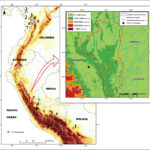
The home of Rhaebo blombergi stretches throughout western Ecuador and southwestern Colombia, nestled predominantly along the lush slopes and transitional zones of the Chocó region—one of the planet’s foremost biodiversity hotspots. Here, dense tropical rainforests drape the terrain, offering an intricate network of shaded streams, moss-tangled rocks, damp earth, and leaf-strewn floors ideal for amphibian lifecycles.
This species prefers moist, low-elevation forest areas, ranging typically from sea level up to around 900 meters elevation. Unlike tree-dwelling frogs, Blomberg’s Toad spends most of its life firmly earth-bound, rooting among fallen leaves, roots, and distinctive microhabitats provided by humus-rich soils and decomposing organic matter. Its habitat choices protect it from drying heat and predation, creating a secure refuge necessary for its delicate skin and nocturnal lifestyle.
Ecologically, this specific microhabitat provides ample food sources—from ants and spiders to diverse insect larvae. Furthermore, the consistent moisture and stable temperatures inherent to this forest realm profoundly aid the toad’s development from egg to adult.
Physical Characteristics#
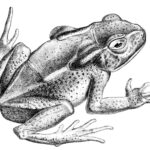
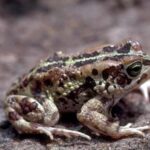
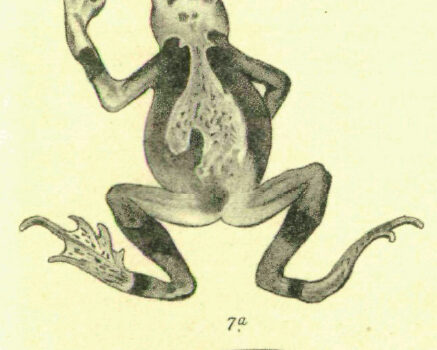
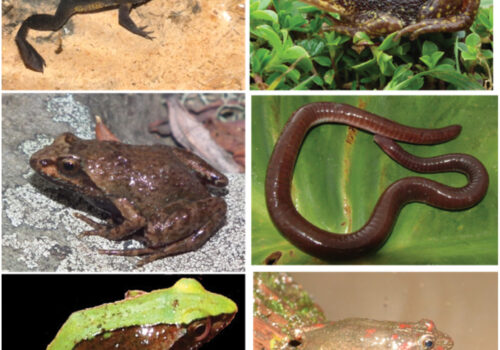
When observing Rhaebo blombergi, one immediately notes the toad’s robust build and somewhat stocky appearance. Adult toads are moderately large, typically reaching lengths between 6 and 10 centimeters, though some mature individuals can grow somewhat larger. Their bodies feature a sturdy, rounded physique beneath a rugged, warty exterior—a hallmarked trait within the Bufonidae family.
Coloration in Blomberg’s Toad tends toward earthy browns, tawny yellows, and subtle reddish hues designed exquisitely for camouflage. Darker irregular blotches or mottling often decorate their skin, enhancing their effectiveness at blending into the forest leaf litter and muddy surroundings. Their skin secretes protective toxins—not overtly dangerous to humans, yet sufficient enough to deter numerous potential predators from a hasty attack.
Two prominent parotoid glands—oval-shaped swellings located just behind the eyes—serve as reservoirs for these potent defensive secretions. These glands and bumpy textures aren’t mere eccentricities but vital adaptations to survival, helping deter external threats and ensuring the toads’ longevity amidst the complex ecosystem in which they reside.
Behavior and Life Cycle#
Nocturnal activity shapes much of Blomberg’s Toad’s existence. As sunlight fades into dusk, these elusive amphibians stir from daytime concealment, emerging cautiously from humid recesses beneath logs, rocks, or deep leaf piles. Their nights compose a tapestry of solitary wandering, diligently hunting for the insects and smaller invertebrates that constitute their diet. Powerful tongues launch out rapidly, capturing prey with swift precision before pulling captured insect into waiting mouths—a remarkable display of amphibian hunting skill.
Mating and Reproduction#
The rainy seasons trigger incredible breeding spectacles for Rhaebo blombergi. Following heavy seasonal rainfall—typical to their tropical equatorial habitats—the toads gather near slow-moving streams and still-water pools, guided by subtle yet resonating mating calls. Males serenade potential mates through vocalizations resembling short, rhythmic trills emitted softly yet reliably, an acoustic beacon guiding females through exceptionally dark rainforest nights.
Females carefully select suitable aquatic environments—calm pools or gently flowing streams—to deposit gelatinous egg masses numbering in the hundreds. From these translucent clusters hatch tiny tadpoles, embarking on an entirely aquatic first chapter of life. These larvae subsist on algae and organic detritus, gradually metamorphosing over weeks into juvenile toads, capable of venturing onto land to begin their solitary terrestrial journeys.
Ecological Role#
Blomberg’s Toad plays an indispensable role within its environmental context—as both predator and prey. It contributes significantly to insect population management, adeptly controlling potential pest species within rainforest ecosystems, protecting vegetative matter from destructive insect feeding. In turn, it acts as an essential food source for numerous larger predators—birds of prey, snakes, and even nocturnal mammals—creating intricate webs of energy exchange that stabilize delicate rainforest ecosystems.
Given their porous skin—a direct pathway to absorbing environmental substances—these toads also provide invaluable data for ecologists and conservationists about environmental health. Any shifts in water purity, forest health, or overall ecosystem balance often manifest first in amphibian populations, making these creatures invaluable canaries in the proverbial coal mine for environmental monitoring.
Threats and Conservation Status#
Alarmingly, despite their special roles, Blomberg’s Toad faces multiple threats to its continued survival. Habitat loss, driven predominantly by widespread deforestation, encroaching agriculture, and urban development, has rapidly reduced available habitats across Ecuador and Colombia. Additionally, contaminants and increased pesticide use, climate-driven weather extremes, and diseases such as the deadly chytrid fungus elevate risks faced by Rhaebo blombergi populations.
The International Union for Conservation of Nature (IUCN) currently classifies Rhaebo blombergi as Near Threatened, signaling a vulnerable status marked by declining populations. Though considered widely distributed within its range, the loss of pristine habitats presents alarming forecasts, pressuring conservationists and local stakeholders toward intensified protective actions, educational outreach, and habitat preservation initiatives.
Cultural and Scientific Significance#
Historically and culturally, amphibians such as Blomberg’s Toad embody symbols of transformation and renewal across multiple indigenous cultures within South America. Although Rhaebo blombergi specifically carries less individualized fame than vibrantly-colored frogs, nevertheless, it resonates with the intrinsic symbolism of amphibians—signifying healthy environments, prosperity, and ecological harmony.
Scientifically, the species remains critical for studies related to amphibian biology, conservation biology research, toxicology, and environmental health monitoring. Each discovery, data point, or ecological insight gleaned from the careful study of Blomberg’s Toad contributes deeply to fields ranging from biodiversity conservation strategies to broader ecosystem management.
Conclusion#
Understanding the delicate balance of rainforest ecosystems becomes clearer as we explore fascinating creatures like Rhaebo blombergi. Far from ordinary, Blomberg’s Toad serves as a quiet yet integral protagonist in the ongoing narrative of subtropical forests. By deepening awareness, appreciating biodiversity, and supporting conservation strategies, we safeguard not only this unique amphibian species but also ensure the vibrant, diverse integrity of the natural world we all share.
Every effort counts—join conservation movements, embrace nature-inspired education or support local NGOs working tirelessly to protect wildlife habitats. By doing so, we preserve not only Blomberg’s Toad but countless species thriving alongside it—each silently weaving a shared story of Earth’s immense natural splendor.