- Nymphargus bejaranoi: Discovering Bolivia's Elegant Glass Frog of the Cloud Forests
- Taxonomy and Classification
- Natural Habitat: Cloud Forests in the Sky
- Physical Characteristics: A Window into Nature's Ingenuity
- Behavior and Life Cycle: Secrets in the Canopy
- Ecological Role: Guardians of the Cloud Forests
- Threats and Conservation Status: Fragile Lives in Changing Times
- Cultural and Scientific Significance: Frogs and Folklore
- Conclusion: Preserving a Treasure of the Andes
Nymphargus bejaranoi: Discovering Bolivia’s Elegant Glass Frog of the Cloud Forests#
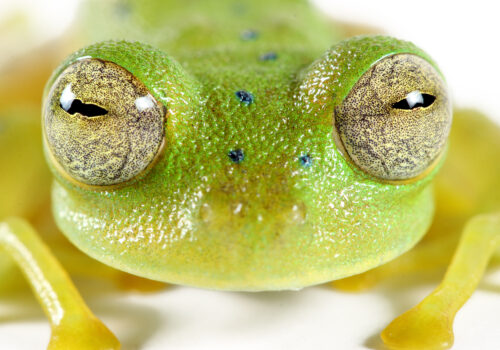
High among the mist-shrouded slopes of Bolivia’s Andean cloud forests lives a creature whose delicate transparency has captivated the imaginations of scientists and nature lovers alike—the enchanting Nymphargus bejaranoi. Commonly referred to as Bejarano’s glass frog, this species exemplifies nature’s artistry in our planet’s remote high-altitude forests. Possessing a translucent belly and vibrant emerald-green coloration, it provides intimate glimpses into nature’s hidden intricacies, illuminating a secretive lifestyle rarely witnessed by human eyes.
Named in honor of the pioneering herpetologist Gastón Bejarano, who contributed significantly to our understanding of Bolivian amphibians, this exquisite frog represents not just a beautiful creature, but a vital thread woven into the fragile tapestry of its cloud forest home. Throughout this journey, we shall uncover the biology, ecology, behavior, and conservation of Nymphargus bejaranoi, celebrating its uniqueness while fostering awareness toward conserving the habitats it calls home.
Taxonomy and Classification#
Nymphargus bejaranoi belongs to the family Centrolenidae, an intriguing group known more commonly as glass frogs. Their name derives from the translucent skin often found on their undersides, allowing a clear view of the internal organs—a living window into amphibian biology. Within this diverse amphibian family, Bejarano’s glass frog is part of the genus Nymphargus, established in recent years through meticulous genetic and morphological studies aimed at clarifying relationships among members of this distinctive taxonomic group.
Originally described by scientists in the late 20th century, careful taxonomic review led to a more precise understanding and reassignment to its current genus, solidifying its standing among peers like Nymphargus grandisonae and Nymphargus griffithsi. Although closely related, species within the genus display remarkable diversity in behavior, vocalization patterns, and reproductive strategies, challenging researchers to delve ever deeper into their extraordinary evolutionary story.
Natural Habitat: Cloud Forests in the Sky#
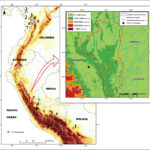
The range of Nymphargus bejaranoi is distinctly tied to the lush montane forests and misty slopes of the eastern Andes in Bolivia. Preferring elevations between 1,400 and 2,500 meters above sea level, these frogs inhabit environments characterized by perpetual humidity, cloud-wrapped canopies, and flourishing vegetation dripping with moisture. Areas rich in streams, waterfalls, and pristine creeks overflow with opportunities for shelter, mating, and sustenance.
A Hidden Life Amidst Moss and Mist#
Within this ethereal habitat of shifting mists and muted green light, the glass frog has developed a sophisticated ecological niche. The thick humidity-rich forests provide ideal breeding conditions, while epiphytes and moss-laden branches offer camouflaged roosting spots away from potential predators. Streams and small waterways flowing from mountain heights lend structure to the frogs’ life cycles, catering to the aquatic demands of their developing offspring.
Such an intricate relationship between frog and forest highlights the imperative of preserving cloud forests—not merely for their beauty, but for the unique life forms intricately adapted to their sensitive microclimates. The survival of Nymphargus bejaranoi is fundamentally tethered to the ecological health of these high-altitude sanctuaries.
Physical Characteristics: A Window into Nature’s Ingenuity#
One glance at Nymphargus bejaranoi reveals nature’s creativity at its finest. Adults exhibit small sizes ranging between 20 to 26 millimeters (less than an inch), making them delicate jewels nestled amid luxuriant vegetation. They immediately captivate observers through their striking emerald-green hues, interspersed by subtle flecks and patterns providing essential camouflage among leaves and ferns.
Perhaps their most astonishing feature, however, is the transparent skin on their slender abdomens, offering clear vistas into internal workings—the beating heart, pulsating veins, and coiled intestines become oddly mesmerizing under close inspection. Researchers speculate that this transparency aids concealment, potentially reducing recognizable shapes or shadows that predator eyes might easily locate.
Adaptations Toward an Arboreal Life#
The adaptation to an arboreal existence is clear. Sticky pads adorn the digits of their slender limbs, facilitating agile and controlled maneuvering along slippery leaves and branches. Large, expressive eyes help them navigate nighttime activities, while their skin, delicate yet remarkably resilient, keeps moisture gently locked in, essential for survival in their humid but often breezy habitats above the forest floor. These physical traits, developed over millennia, perfectly equip Nymphargus bejaranoi to exploit the niches of Andean cloud forests.
Behavior and Life Cycle: Secrets in the Canopy#
Primarily nocturnal, Nymphargus bejaranoi emerges under the cloak of dark to engage in vital activities—hunting, courtship, and reproduction. Nightfall heralds a symphony of croaks and subtle trills, each male serenading potential mates from strategically chosen leaves and twigs overlooking cool, flowing streams.
The Delicate Dance of Reproduction#
Mating in glass frogs presents an elegant ritual. Upon successfully attracting a female through his distinctive vocalization, a male engages in a gentle embrace known as amplexus, fertilizing clutches of eggs as the female carefully deposits them on leaves directly above water. This strategic placement ensures safety from aquatic predators and allows for controlled moisture flow vital for egg development.
Interestingly, glass frog parents often exhibit protective behaviors, such as males guarding egg clutches from predators and parasites throughout early developmental stages. Eggs hatch into tadpoles after approximately two weeks, dropping purposefully from leaves directly into the streams below, quickly adapting to their aquatic homes, and beginning a crucial growth period before eventual metamorphosis transforms them into terrestrial adults, climbing skyward once more into arboreal habitats.
Ecological Role: Guardians of the Cloud Forests#
Nymphargus bejaranoi performs an integral role within its niche, meticulously balancing ecological forces. Predatory on insects and other small arthropods, these frogs serve as vital population controls, trimming insect numbers naturally, which can influence plant health and forest regeneration cycles.
Likewise, glass frogs become important prey items themselves, nourishing larger animals such as birds, snakes, and mammals. Their life cycles connect terrestrial and aquatic habitats, transferring organic materials and nutrients between ecosystems. Additionally, their sensitivity to environmental changes renders them outstanding biological indicators influencing conservation assessments and policies.
Threats and Conservation Status: Fragile Lives in Changing Times#
Glass frogs worldwide face tremendous pressures, a plight echoed strongly in the story of Nymphargus bejaranoi. Habitat destruction remains the foremost threat, with deforestation for agriculture, mining, logging, and expanding urbanization constantly looming on Bolivia’s Andean slopes. Additionally, climate change exacerbates vulnerabilities, altering weather patterns and subtle microclimates these frogs depend upon for reproduction and survival.
Currently categorized by the International Union for Conservation of Nature (IUCN) as Near Threatened, continued vigilance is paramount for avoiding even greater declines. Local NGOs, scientific initiatives, and protected area management plans increasingly recognize the urgency and work passionately to safeguard not only this species but its entire delicate cloud forest home.
Cultural and Scientific Significance: Frogs and Folklore#
While not broadly prominent in human culture, such elusive amphibians often tie into indigenous folklore representing symbols of fertility, abundance, or hosts of the mystical “spirit worlds” of forests and water sources. Scientifically, glass frogs like Nymphargus bejaranoi serve as valuable biological subjects in ecological research, increasing understanding of ecosystem interconnections, adaptive strategies in transparent species, and bioindicators of ecosystem health.
Conclusion: Preserving a Treasure of the Andes#
From transparent skins revealing life’s delicate inner workings to vocal serenades beneath starlit canopies, the life of Nymphargus bejaranoi transcends mere biological interest—it becomes symbolic of resilience and the interconnected magic of Andean cloud forests.
Protecting this glass frog is not just preserving one species—it’s preserving an irreplaceable ecological heirloom, a testament to evolution’s creativity, and a critical bastion of biodiversity. Let us be conservation advocates ensuring predictable, stable futures for fragile species like Nymphargus bejaranoi. For in safeguarding their cloud-covered homes, we guard the very essence of biodiversity itself—wild, intricate, beautiful, and incredibly delicate.