- Espadarana durrellorum: Illuminating the Mysteries of a Jewel-like Glass Frog
Espadarana durrellorum: Illuminating the Mysteries of a Jewel-like Glass Frog#
Hidden beneath the moonlit canopies of Central America’s lush tropical forests, a dazzling creature emerges to shimmer softly in the night. It is neither gemstone nor mythical being, yet it possesses the ethereal charm and quiet magic that captivates both scientists and nature lovers alike. Meet Espadarana durrellorum, a delicate glass frog species whose beauty lies in translucent skin, emerald hues, and a biology so extraordinary that it has become a symbol of delicate balance within rainforests.
Named in honor of Gerald and Lee Durrell, famed conservationists known for their tireless work preserving wildlife, Espadarana durrellorum exemplifies the astonishing biodiversity concealed in our planet’s tropical realms. Though discovered relatively recently, this tiny amphibian has quickly become an icon representing not only biological wonder, but the urgent plea to protect fragile ecosystems before such jewels vanish from existence.
Taxonomy and Classification#
The intriguing glass frog known scientifically as Espadarana durrellorum belongs to the family Centrolenidae, a group renowned for their near-transparent skin and distinctive reproductive behaviors. Members of this family enjoy iconic notoriety due to their internal organs being visible from the outside, a trait enabling researchers unique insights into anatomy and physiology.
Genus Espadarana, to which our species belongs, contains just a few closely related glass frogs, distinguishing themselves through subtle morphological and vocal differences. E. durrellorum was only recently described scientifically, showcasing how much more we have yet to learn about tropical biodiversity. Its close relatives, sharing habitats throughout Central America and Northern South America, each fulfill slightly different ecological niches, highlighting the complex balance present even within a single forest canopy.
Natural Habitat#
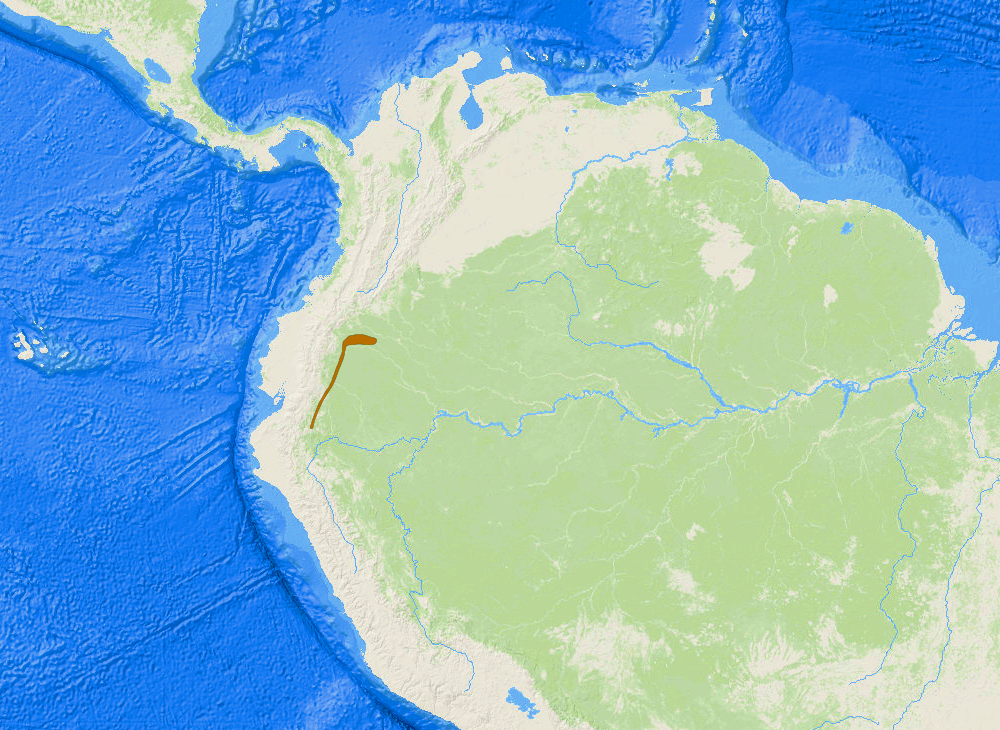
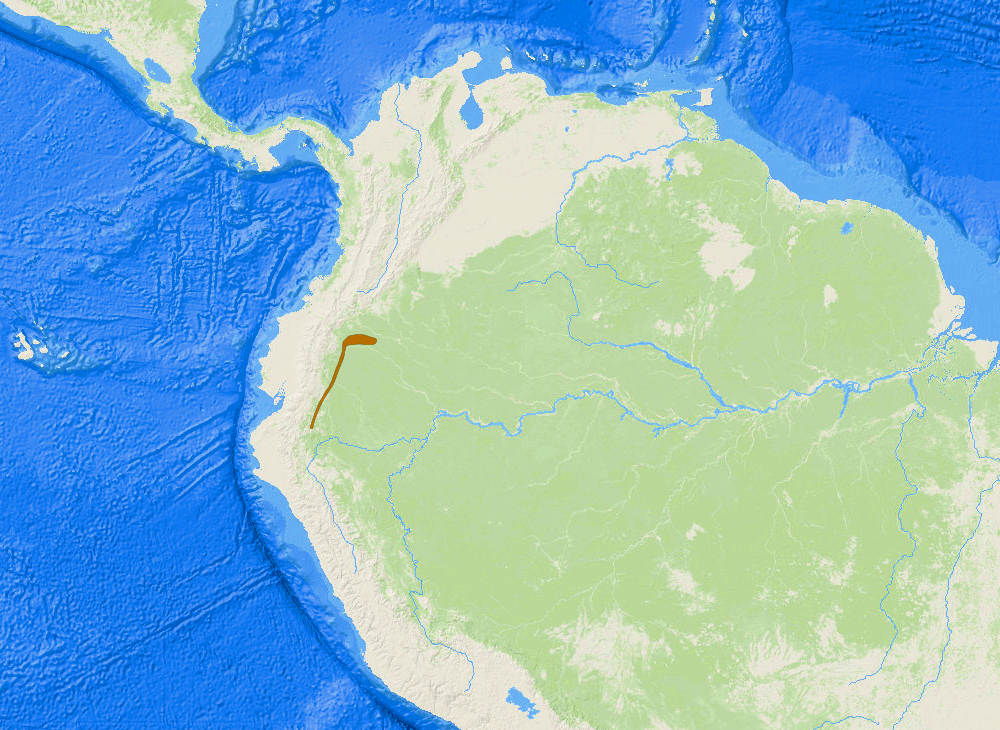
Espadarana durrellorum thrives primarily within the tropical rainforests of Panama and Colombia, a region celebrated for extraordinary biodiversity. The species prefers moist, lowland forests, specifically residing along streamside vegetation and dense foliage near permanent freshwater sources. These habitats supply ample refuge, sustenance, and critical breeding sites integral to the frog’s lifecycle.
If you venture carefully beneath these shadowy tree canopies after rainfall, you might glimpse the soft shimmer of this elusive amphibian, perched upon leaves overhanging gentle streams. This delicate balancing act between land and water is essential to their survival; it provides the necessary resources for breeding, hunting, and protection from potential predators. The untouched, humid microclimate of these pristine habitats fosters numerous insect populations, the amphibian’s primary food source, and offers suitable breeding environments vital to both adults and emerging tadpoles.
Yet, with deforestation increasingly fragmenting their world, each clearing carved out from lush forests threatens to erase entire populations, rendering habitat preservation efforts more critical than ever.
Physical Characteristics: Enchanting Transparency#
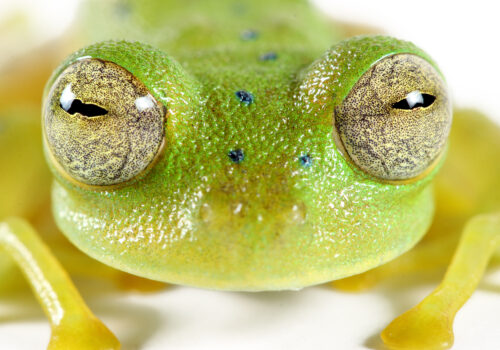
It is easy to see why the glass frogs derive their name: Espadarana durrellorum shows remarkable transparency, especially along the ventral (underneath) side of its body. Measuring roughly 20–25 mm in length, its small stature belies the incredible visibility into its internal anatomy, where heartbeats, lung movements, and even blood vessels become vivid against translucent skin.
Viewed from above, the species exhibits a radiant emerald-green coloration—a vital adaptation effectively camouflaging them among dense foliage. Their color closely matches leaves upon which they perch, helping to avoid detection from both predators and prey. Tiny flecks of gold and silver across their back and limbs enhance their leafy mimicry, creating the illusion of light reflected through dew-speckled leaves beneath moonlight.
Though delicate in appearance, these frogs display well-adapted feet and toes, equipped with circular adhesive discs perfect for their arboreal lifestyle. Each toe pad, brilliantly adapted to climbing slippery leaves and stems, ensures secure footing throughout damp rainforest nights.
Behavior and Life Cycle#
Nocturnal Hunters: Dietary Habits#
E. durrellorum emerges at night, becoming active after sunset when humidity peaks and insect activity intensifies. With eyesight finely tuned for dim lighting, this tiny hunter ambushes insect prey—primarily moths, small flies, and ants—with lightning-fast precision and speed. Using their transparent camouflage and patient waiting, they snatch unsuspecting prey effortlessly from the leaf surface, highlighting the frog’s important ecological function as pest control within forest ecosystems.
Enchanting Mating Rituals and Reproduction#
Glass frogs are renowned for their captivating mating rituals, and E. durrellorum is no exception. During heavy rains, males congregate beside flowing streams, each selecting prime real estate atop lush foliage. Their melodious call, a series of soft “peeps” and gentle chirps, attracts females who traverse branches to select a suitable mate. Once paired, females carefully deposit transparent clusters of eggs delicately attached to undersides of leaves suspended directly above running water.
After careful selection of egg-laying sites ensuring humidity, shade, and proximity to water, parental care duties are minimal yet crucial. The presence of male frogs guarding multiple egg clutches has been documented, actively defending against egg-eating predators such as katydids and various insect larvae. Eventually, tiny tadpoles wriggle free from jelly-bound eggs, dropping into waiting waters below, embarking on their aquatic journey towards adulthood—a cycle repeated seasonally, enriching rainforest streams with life.
Ecological Role: Guardians of Balance#
Despite their modest size, species like E. durrellorum contribute significantly to ecosystem stability. As insectivores, they help maintain balanced insect populations, indirectly protecting plant life from pest damage. Equally important, they serve as crucial food sources for numerous predators, including snakes, birds, and small mammals, functioning as significant links within their community’s food web.
Moreover, amphibians like the glass frog often act as bioindicators. Due to their sensitive, permeable skin absorbing environmental contaminants readily, declines in their populations are often the first signals of underlying ecosystem health problems, alerting conservationists and ecologists alike.
Threats and Conservation Status#
Despite their recent discovery, worryingly rapid declines in populations have already raised alarms among conservationists. Forest fragmentation and habitat destruction, largely resulting from agricultural expansion, urbanization, and road construction, threaten their restricted habitats, leaving populations vulnerable to extinction.
Adding to habitat loss pressures are global climate fluctuations causing changing rainfall patterns, critically impacting breeding cycles dependent on seasonal rains. While the International Union for Conservation of Nature (IUCN) has yet to formally list E. durrellorum, preliminary indications suggest urgent conservation intervention may soon become necessary.
Cultural and Scientific Significance#
Though culturally less prominent than larger, charismatic fauna, the storytelling magic surrounding glass frogs lies in their quiet mystique—symbols of hidden marvels found within unassuming species. By naming it after conservation heroes Gerald and Lee Durrell, researchers sought both homage and advocacy, showcasing the enduring value of conservation programs and highlighting interconnectedness between humans and wildlife.
Scientifically, glass frogs are vital subjects for physiological and toxicological research, providing insights into evolutionary advancements, anatomical transparency, and environmental sensitivity. Their unique adaptations and behavioral characteristics continually open intriguing avenues for scientific exploration.
Conclusion: Preserving an Emerald Jewel#
Espadarana durrellorum embodies much more than its diminutive size reveals. Its transparent skin metaphorically symbolizes the vulnerability of tropical ecosystems and the urgency required in conservation actions. To safeguard this delicate amphibian species is to protect far more—the intricate rainforest ecosystem that nurtures countless other life forms, including our own.
As admirers of nature’s intricate tapestry, we must continue supporting habitat preservation and education endeavors. Together, through awareness, advocacy, and action, we can ensure the musical call of Espadarana durrellorum echoes softly through the Central American rainforest nights for generations to come.