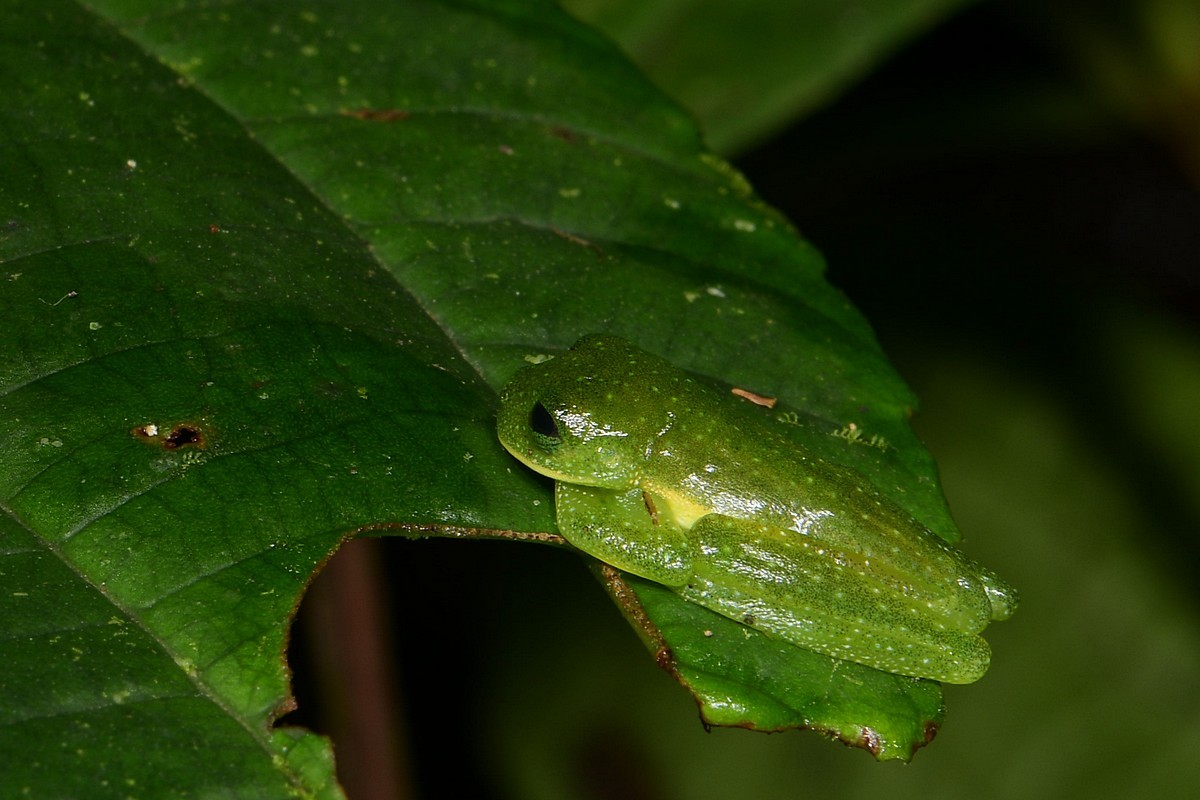
- Centrolene ballux: Unveiling the Enchanting Emerald Glass Frog of the Andean Cloud Forests
- Taxonomy and Classification
- Natural Habitat: Cloudy Realms of the Andes
- Physical Characteristics: Nature’s Living Stained Glass Art
- Behavior and Life Cycle: Secrets of an Arboreal Existence
- Ecological Role: Guardians and Indicators of Ecosystem Health
- Threats and Conservation Status: A Fragile Existence
- Cultural and Scientific Significance: Small Frog, Profound Impact
- Conclusion: Empowering Conservation Through Awareness
Centrolene ballux: Unveiling the Enchanting Emerald Glass Frog of the Andean Cloud Forests#
Deep within the misty embrace of the Andean cloud forests of Colombia, a small creature shimmers quietly beneath moonlit leaves. Invisible to the untrained eye, this jewel-like amphibian bears the captivating scientific name Centrolene ballux, known commonly as the golden-flecked glass frog. Glass frogs hold a particular fascination for wildlife enthusiasts and biologists alike, renowned for their translucent skin through which one can observe a striking glimpse into their internal organs, veins, and heartbeat. Yet even among its unique relatives, Centrolene ballux distinctively stands apart, possessing shimmering golden speckles, mysterious behaviors, and an increasingly vulnerable existence. This glittering yet elusive amphibian remains a prominent indicator not merely of ecosystem health, but exemplifies the delicate interconnectedness that we humans share with the natural world.
So put on your imaginary hiking boots, button up your rain jacket, and join me on an immersive exploration into the hidden world of the golden-flecked glass frog, Centrolene ballux.
Taxonomy and Classification#
Before delving deeper into its rainforest home or marveling at its peculiar adaptations, it is beneficial to grasp the clarity that taxonomy lends us. Centrolene ballux belongs to the family Centrolenidae, commonly dubbed the “glass frogs.” First described scientifically in 1989 by Duellman and Burrowes, this species fits comfortably within the larger genus Centrolene, one of the most diverse and studied groups within this enchantingly transparent lineage.
Centrolenidae frogs inhabit primarily tropical regions, thriving mostly within damp, untouched forests. Within this family, glass frogs possess various degrees of translucent skin, evolved for adapted camouflage strategies. Despite the broader diversity within Centrolenidae, Centrolene ballux claims distinctiveness through its unique coloration pattern, habitat specialization, and intriguing behaviors.
Natural Habitat: Cloudy Realms of the Andes#
The Enchanted Geography of Centrolene ballux#
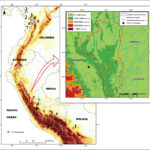
This species prospers primarily within Colombia’s mid-altitude Andean cloud forests, typically nestled between 1,700 to 2,500 meters above sea level. These regions, stretching along the northern Andes mountain range, are characterized by a constant shroud of mist and drizzle, tinted by varying hues of green—from vivid mosses to lush orchids and dense epiphytes clinging gamely to trees beneath perpetually cloudy skies.
Cloud forest ecosystems are among the most biodiverse yet most fragile terrestrial habitats on Earth. Within this complex environment, C. ballux occupies a specific niche. It is closely tied to fast-running, clear freshwater streams and the heavily vegetated understory that shelters them. Hovering streamside foliage—a thriving tangle of low-hanging branches, mosses, and leaves—creates an ideal microhabitat for this delicate amphibian species.
An Ecosystem Specifically Suited to the Glass Frog#
The presence of crystal-clear water springs and fast-flowing rivers hides predators, incubates developing tadpoles, and supplies the humid conditions necessary to maintain the frogs’ delicate physiology. Microclimates near these waterways offer unique moisture gradients, ensuring that the frogs remain hydrated, adequately oxygenated, and shielded from predators hovering above or lurking below.
Here, under the steady drip-drip symphony of moisture droplets tumbling from broad leaves, life flourishes, blended seamlessly into lush surroundings. In these shadowed nooks, C. ballux moves quietly, thriving unseen while playing a crucial ecological role.
Physical Characteristics: Nature’s Living Stained Glass Art#
Small Stature, Large Fascination#
Adults of this striking species typically measure only 20 to 24 mm (approximately an inch), easily resting atop a human thumb with plenty of space to spare. Their limbs, slender yet robust, grasp tightly onto leaves and thin stems, shaped perfectly for navigating their arboreal realm.
A Shimmering Cloak of Translucency and Gold#
What truly distinguishes C. ballux from its relatives is its mesmerizing skin. Like artistic marvels from a master glassblower, these frogs possess predominantly translucent undersides through which we can witness the intricacies of their biological machinery. Hearts visibly pump blood through thin veins and arteries—a spectacle of life’s fragile workings laid bare.
The upper surface, however, explodes in shades of emerald green, flecked softly with tiny golden-yellow points akin to drops of sunlight filtering through the verdant canopy. This speckled appearance provides exceptional camouflage, melding seamlessly into the leaves touched by dappled forest light. It is an evolutionary masterpiece, blending both function and exquisite beauty that stuns wildlife lovers lucky enough to glimpse it.
Behavior and Life Cycle: Secrets of an Arboreal Existence#
An Insectivorous Diet and Precise Hunting Techniques#
Glass frogs, including our spotlight species, spend their nights actively hunting small insects. With exceptional eyesight tuned for nocturnal predation, they diligently surveil from favored perches. Crickets, moths, flies, and tiny beetles constitute their diet, ensuring tight control over insect populations that might otherwise grow unchecked.
Romance Under Starlit Leaves: Courtship Rituals#
When rains coax the mountain streams into song, males position themselves upon foliage suspended directly above stream channels. With diligent resolve, males project high-pitched, whistling calls into the damp night, striving tirelessly to attract females. Females choose mates based on the location, vocal quality, and vigor of a calling partner—criteria indicative of genetic fitness.
Tadpole Guardians of the Stream#
After gentle courtship, females carefully deposit egg clutches beneath leaves that tower right above flowing streams. Remarkably, these gel-like masses adhere securely to leaf undersides, reducing the threat from predators and fungal attacks. Upon hatching, tiny tadpoles gracefully drop into the waters below, embarking on a perilous aquatic journey toward adulthood. Transparent and barely visible, they blend with the water’s current, quietly feeding on algae and organic nutrients flowing downstream.
Ecological Role: Guardians and Indicators of Ecosystem Health#
As insect controllers, prey for countless predators, and bioindicators of water and habitat quality, C. ballux proves invaluable. Its very presence demonstrates excellent ecosystem health since pristine streams and flourishing vegetation directly correlate to suitable conditions for breeding, feeding, and development.
Conversely, rapid disappearance of these exquisite creatures often signals deteriorating environmental conditions—warning signs impossible to ignore. As small amphibians like these vanish, ecosystems lose vital threads linking intricate ecological webs together.
Threats and Conservation Status: A Fragile Existence#
Sadly, C. ballux is currently classified on the IUCN Red List of Threatened Species as “Critically Endangered,” with habitat loss, fungal pathogens like chytridiomycosis, pollution, invasive species, and climate change posing severe and ongoing threats. The expanding agriculture and livestock activities into previously untouched cloud forests steadily remove crucial habitats required for survival.
Fortunately, conservation initiatives, habitat restoration projects, education programs for local communities, and scientific research are providing hope. Organizations dedicated to amphibian conservation prioritize safeguarding these emblematic creatures and their threatened homes.
Cultural and Scientific Significance: Small Frog, Profound Impact#
While not boasting vast folkloric storytelling as some charismatic fauna do, the glass frog symbolizes biodiversity conservation because of its fragility, its transparency metaphorically reflecting the purity and balance of its environment. Scientifically, it represents a priceless opportunity for researchers to understand delicate ecological systems and evolutionary adaptations.
Conclusion: Empowering Conservation Through Awareness#
Centrolene ballux embodies more than merely biological intrigue; it symbolizes resilience, adaptation, and delicate beauty within the living web of life. To safeguard such wonders, humanity must foster understanding, empathy, and responsible stewardship. Supporting conservation programs and spreading awareness about these hidden gems will ensure future generations also have the privilege to gaze with wonder at the translucent glow of the golden-flecked frog, safely poised beneath leafy shadows of cloud forests forever resplendent under star-lit skies.