Rhinella paraguas: Secrets of Colombia’s Enchanting Rainforest Toad#
Introduction#
Hidden deep within Colombia’s lush tropical rainforests is an extraordinary amphibian known as Rhinella paraguas. This humble yet intriguing creature—named after the Río Paraguas region it calls home—is more than just another rainforest dweller; it’s a compelling testament to the rich biodiversity and ecological wonders hidden within this region. Although not as famously brilliant as poison dart frogs, what Rhinella paraguas lacks in vibrant color, it more than compensates for in biological intrigue and ecological importance.
First described to science only in 2015, the Paraguas toad remains shrouded in mystery, captivating researchers and conservationists alike. Its biology and behavior whisper stories of ecological interconnectivity and delicate balance. Draw close, join me now, as we venture through dense vegetation and humid mists to uncover more about the fascinating life of the remarkable Rhinella paraguas.
Taxonomy and Classification#
To fully appreciate the evolution and uniqueness of Rhinella paraguas, it’s essential first to understand its scientific lineage. Belonging to the Bufonidae family—commonly known as the ‘true toads’—this species resides within the genus Rhinella, a group that includes many South and Central American toad species known for their robust build, wart-infused skin, and distinctive gland secretions.
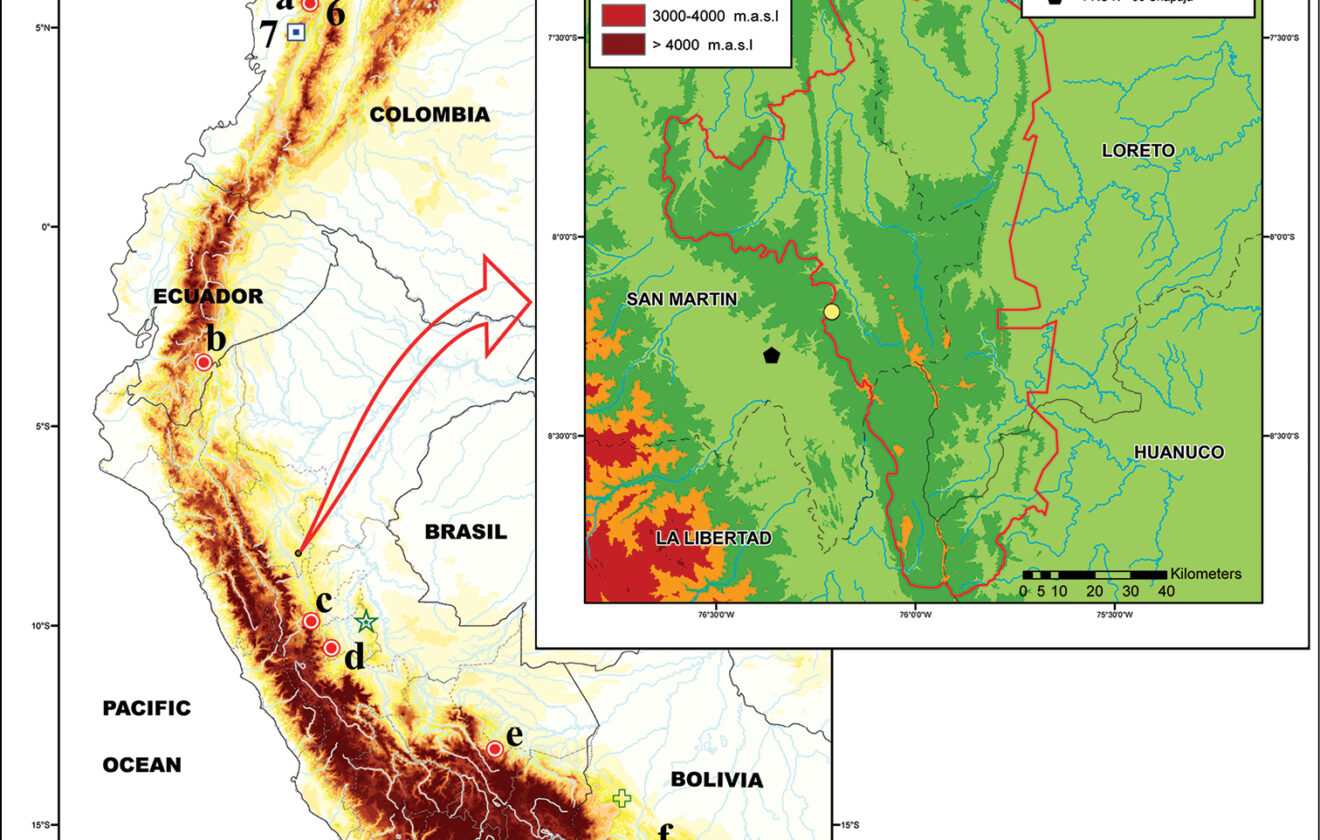
The specific epithet “paraguas” honors the lush and biodiverse region of Río Paraguas, situated in the Chocó biogeographic area of Colombia—a location renowned globally for stunning biodiversity and remarkable levels of species endemism. Closely related species include Rhinella festae and Rhinella marina, yet genetic studies suggest distinct evolutionary paths taken by Rhinella paraguas to adapt uniquely within its ecological niche.
Natural Habitat#
A Hidden Jewel of Colombia’s Chocó Region#
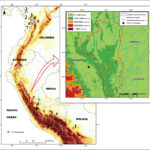
The Chocó region, stretching along Colombia’s Pacific coastline, is notable for its unparalleled rainfall levels, lush rainforests, and astonishing biodiversity. It is here, tucked beneath dense, emerald-green foliage illuminated occasionally by shafts of sunlight, that the Paraguas toad dwells. The Río Paraguas watershed specifically provides the kind of moist, protective habitat these amphibians desperately require.
Rhinella paraguas prefers humid, lowland rainforest environments, particularly areas adjacent to slow-moving streams, pools, and shallow wetlands rich with vegetation. Leaf litter, rotting logs covered in moss, and dense understories of broad-leaf plants characterize these locations—perfect refuges from predators and the harsh sunlight above.
This environment not only fulfils their hydration and temperature requirements but also offers an abundance of prey insects, from beetles to ants. The careful balance of moisture and shadow within their rainforest home enables thriving populations. Simultaneously, their presence helps maintain ecological equilibrium in these specialized ecosystems.
Physical Characteristics#
Camouflaged Guardians of the Forest Floor#
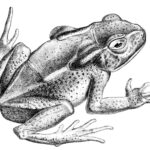
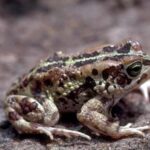
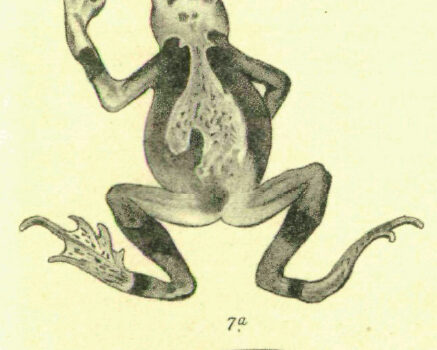
Blending seamlessly into leaf litter and dense foliage, Rhinella paraguas owes its impressive camouflage primarily to shades of brown, tan, and olive-green mottled across its rough, granular skin. This cryptic coloration, dotted with darker patches and occasional lighter markings, provides invaluable defense against avian and mammalian predators searching from above.
Their bodies are stout yet agile, reaching lengths typically around five to seven centimeters, with females slightly larger and more robust than males. Prominent eye ridges give an almost wise, contemplative quality to their otherwise unassuming presence, while well-developed parotoid glands behind their ears secrete defensive toxins—deterring would-be predators and safeguarding their continued survival in an ecosystem teeming with threats.
Muscular hind limbs permit efficient movement, enabling rapid leaps into leaf litter or quick dives into shallow waters when danger looms. Their broad feet feature partially webbed toes, perfect adaptations for their semi-aquatic lifestyles and navigating moist forest substrates.
Behavior and Life Cycle#
Nighttime Hunters, Seasoned Survivors#
Under the protective veil of nightfall, Rhinella paraguas emerges from daytime shelters ready for the hunt. Their diet consists mainly of invertebrates—beetles, ants, termites, and flies—skillfully detected and captured with quick, precise lunges. Robust musculature enables stealthy approaches, agile leaps, and rapid, targeted strikes with sticky tongues.
Breeding occurs during rainy seasons when temporary water sources swell, nurturing newly laid clusters of gelatinous eggs typically deposited in tranquil, shallow pools. Males gather by pools, emitting distinctive calls—low-pitched, rhythmic “trills”—to attract females. After mating, females affix eggs to submerged vegetation, a strategic choice reducing predation risk while providing ample oxygen.
From Tadpole to Toad: Survival in Transitions#
The ensuing tadpoles represent a crucial phase in survival. Initially vigilant yet vulnerable, these larvae benefit from regulating microhabitats among submerged plants and algae-covered rocks. Remarkably adaptive, tadpoles rapidly develop into fully formed juveniles within weeks—transitioning onto land, where they employ their cryptic coloration and toxin-laden skin glands as enhanced defenses against persistent threats.
Ecological Role#
Despite their humble appearance, these amphibians play pivotal ecological roles. As effective insect predators, they regulate severe insect population fluctuations. Moreover, their role as prey for snakes, birds, and mammals places them firmly within the Chocó web of life, enriching the ecosystem’s resilience and diversity.
Rhinella paraguas is also a sentinel of environmental health. Its permeable skin and reliance on fresh, unpolluted water amplify its sensitivity to habitat degradation, making population fluctuations early signals of ecosystem distress—critical indicators about broader forest health and water quality.
Threats and Conservation Status#
Facing the Storm: Conservation Challenges#
Although Rhinella paraguas is yet to be comprehensively assessed by the IUCN, its localized range and habitat specificity signal vulnerability. Deforestation—fueled by agriculture, illicit coca plantations, logging, and clearings for cattle ranching—poses significant threats. Additionally, intensified climate variations and changing rainfall patterns exacerbate breeding site loss, putting pressure on their reproductive success and long-term survival.
Efforts by local conservation groups have emerged, notably habitat preservation initiatives aligned with broader regional biodiversity protection objectives. Education programs raise awareness among communities on sustainable land use, encouraging forest stewardship practices compatible with conserving this remarkable toad.
Cultural and Scientific Significance#
In the region’s indigenous cultures, amphibians often symbolize fertility, transformation, and the natural world’s delicate ecological balance. While specific traditional narratives of Rhinella paraguas remain understudied, it undoubtedly symbolizes the broader richness of Colombia’s Chocó biodiversity heritage.
Scientifically, new species discoveries like Rhinella paraguas emphasize the Chocó region’s uniqueness and the urgent conservation need. It underscores the global imperative in protecting lesser-known species that, despite their subtle characteristics, contribute significantly to ecological stability and scientific discovery.
Conclusion#
In exploring Rhinella paraguas, we journey deep into one of Earth’s richest biodiversity regions, illuminating an amphibian that, outwardly subdued, is inwardly extraordinary. Its fascinating ecology, quiet resilience, and critical environmental role remind us of the immense ecological value hidden beneath foliage, leaf litter, and rushing tropical streams.
As we’ve seen, their survival depends on conservation efforts that acknowledge them as iconic emblems of our ecological heritage. Together, through mindful exploration, education, and conservation participation, we can ensure this remarkable amphibian continues to thrive, singing its quiet nightly song amid the lush jungles of the Río Paraguas watershed.