Nymphargus balionotus: Discovering the Enchanting World of the Mindo Glass Frog#
Beneath the lush canopy of South America’s moist Andean cloud forests, where mist gracefully embraces towering trees adorned in mosses and orchids, dwells a creature as delicate and mysterious as its environment—the glass frog Nymphargus balionotus. Known for its enchanting transparency and captivating behaviors, this frog embodies the magical allure of delicate ecosystems hanging in fragile balance. Thriving in habitats concealed by perpetual mist, its nearly invisible presence reminds us of both nature’s subtlety and its profound vulnerability.
Nymphargus balionotus belongs to the captivating family of glass frogs (Centrolenidae)—remarkable amphibians whose bodies offer a literal glimpse into their anatomy due to translucent skin. Often overshadowed by larger beasts of the rainforest, these frogs are compelling in their own right, serving as extraordinary indicators of environmental health.
Taxonomy and Classification#
Scientifically known as Nymphargus balionotus, this striking amphibian falls within the extensive framework of vertebrate classification. It occupies the Centrolenidae family, commonly known as glass frogs due to the translucency of their abdominal region, offering unique visibility into their internal organs.
Initially described in 1981, the species was earlier classified within the genus Cochranella. Subsequent molecular studies prompted a revision, placing it into the newer genus, Nymphargus. Such shifts exemplify the dynamic nature of taxonomy, a discipline perpetually evolving with ongoing research and genetic insights. Closely related species include Nymphargus grandisonae and Nymphargus griffithsi, each sharing morphological commonalities with subtle yet significant variations in coloration, behavioral nuances, and habitat preferences.
Natural Habitat#
Nymphargus balionotus graces a rather limited and unique geographic range found primarily in western Ecuador and portions of Colombia, inhabiting humid montane forests between elevations of 400 and 1,700 meters above sea level. Enveloped by perpetual mists, these cloud forests offer a labyrinthine landscape of steep valleys, running streams, and lush vegetation—an ideal setting for this diminutive amphibian’s delicate lifestyle.
Microhabitat Preferences#
Within this broader habitat, the Mindo glass frog expresses distinct preferences for pristine and shaded streamside areas. It often occupies broad leaves overhanging streams, using these as platforms for resting, mating, and laying eggs. These leaves, primarily from low-lying trees, shrubs, or large ferns, provide protective vantage points with easy water access, exemplifying the intricate interplay between life form and environment.
Humidity and temperature stability, critical aspects of cloud forest ecology, dictate the arboreal niche these frogs occupy. Their delicate skin demands moist conditions for respiration and hydration, driving behaviors like retreating to deeper, shaded microhabitats during daylight, emerging to hunt and interact only beneath cover of night or heavy mist.
Physical Characteristics#
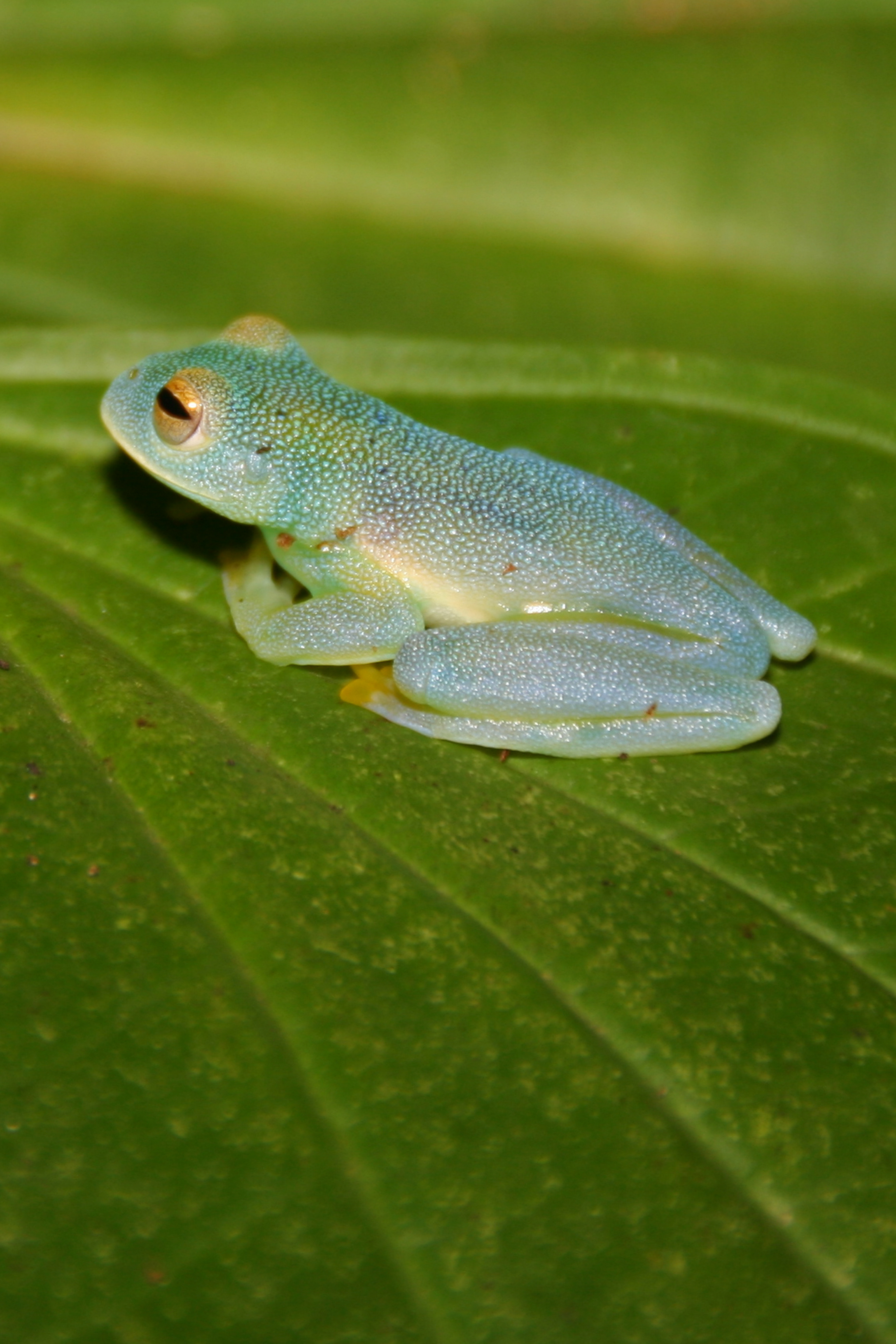
The appeal of Nymphargus balionotus resides in its whimsical appearance, although one must look closely to appreciate the full beauty of its charm. Rarely exceeding 26mm in length, these tiny amphibians are marvels of delicate craftsmanship, encapsulated in what nature seemingly intended to conceal as secret. Their slender, elongated limbs are adapted for arboreal life, each digit ending in adhesive pads suited for climbing and navigating slippery, moisture-coated foliage.
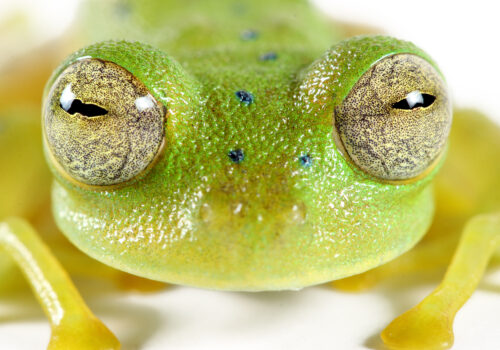
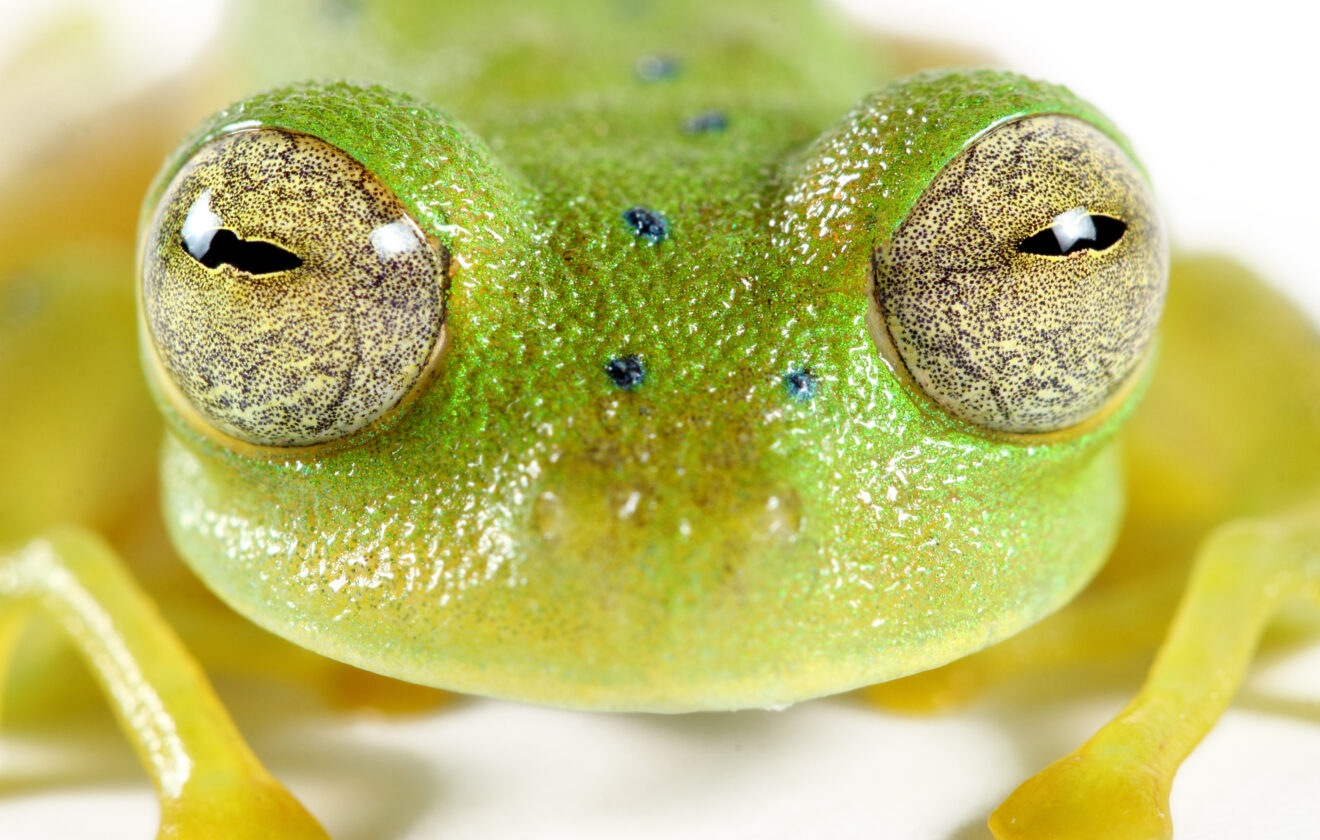
Most compelling is their renowned transparency; while the dorsal surface usually bears a pale emerald hue suffused with sparse golden flecks, a look beneath reveals a truly astonishing adaptation. Through the translucent belly skin, observers can gaze upon the internal workings—heart palpating, intestines subtly contracting, and sometimes, even tiny beating eggs within a female preparing for motherhood.
This transparency isn’t merely wondrous but functional, assisting the frog in the ultimate act of invisibility from below—a critical adaptation against predators lurking near waterways. By blending seamlessly into heavily dappled forest-light conditions and foliage shadows, the frog becomes nearly indistinguishable from its leafy surroundings, embodying cryptic design perfected over evolutionary millennia.
Behavior and Life Cycle#
Like many rainforest dwellers, Nymphargus balionotus emerges into activity primarily under cover of night, where predators’ threats diminish, and humidity ascends into misty veils. In these dim twilight hours, the Mindo glass frog initiates feeding—preying on small insects, such as flies, mosquitoes, moths, and tiny spiders darting through the undergrowth or perched unsuspectingly atop leaves. Observing them hunt is reminiscent of patient dancers, still and alert, suddenly lunging with pinpoint accuracy at passing prey.
Mating and Parental Care#
Rainy seasons mark distinct breeding periods, initiating elaborate courtship and reproduction rituals beneath moonlit nights. Male frogs convene into choruses, perched strategically above streams, emitting distinct trilling calls into humid nights to attract mates—sounds which fuse harmoniously with dripping raindrops and nocturnal insect choruses into enchanting symphonies.
Successful courtship culminates in the female laying gelatinous clusters of eggs—typically on leaves overhanging streams. What’s unique, however, is the degree of paternal care exhibited. Male Nymphargus balionotus commonly remain vigilant guardians of the eggs, protecting them from parasites, fungal infections, and predators like spiders and ants, occasionally moistening the eggs with dew or body moisture to maintain essential hydration.
Upon hatching, tadpoles release into the stream below, initiating a fascinating new life stage as aquatic larvae feeding on algae and microorganisms. After several weeks of rapid growth, these larvae metamorphose, moving back onto trees and leaves, restoring their arboreal existence and continuing the delicate life cycle emblematic of this tropical explorer.
Ecological Role#
Small in stature yet significant ecologically, Nymphargus balionotus significantly contributes to its habitat’s equilibrium. By feasting upon insects, it supports controlled insect populations, contributing to broader ecosystem balance. It also constitutes prey for various predators, including larger amphibians, reptiles, birds, and predatory arthropods.
Notably sensitive to environmental disruptions, its presence—or absence—can signal shifting ecological balance, making glass frogs invaluable indicator species, emblematic of intact, healthy rainforest and stream habitats. Monitoring their populations may indeed help conservationists understand threats to biodiversity before irreversible damage occurs.
Threats and Conservation Status#
Sadly, this idyllic existence in secluded rainforest micro-worlds faces growing disruption. Habitat loss from logging, agriculture expansions, road developments, and mining operations significantly fragment the tiny habitats critical to glass frog survival, isolating already limited populations into perilous confines. Moreover, climate change poses invisible threats, altering moisture regimes and temperature stability essential for the species’ unique survival strategies.
Currently classified by the International Union for Conservation of Nature (IUCN) as “Vulnerable,” Nymphargus balionotus requires targeted conservation measures, including the protection of cloud forest areas, restoration of degraded habitats, and robust scientific monitoring. Dedicated researchers and conservation groups are working tirelessly to preserve the precious rainforest fragments and enhance awareness regarding the indispensable ecosystems these small frogs symbolize.
Cultural and Scientific Significance#
Glass frogs like Nymphargus balionotus capture imagination and curiosity, symbolizing purity, hidden beauty, and ethereal nature. Within communities adjacent to their habitats, glass frogs serve as symbols of environmental health, becoming emblems of local conservation efforts to protect their natural heritage.
Scientifically, researchers highly recognize these frogs for their invaluable roles in biological studies. Insights into their transparent skin unravel new understandings of amphibian anatomy and physiology, while studies on their sensitivity to fungi and climate-induced threats inform broader ecological understandings and conservation initiatives.
Conclusion#
The captivating narrative of Nymphargus balionotus exhibits nature’s fascinating subtleties and the intricate interconnectedness of life. It remains imperative, therefore, that we treasure and safeguard such incredible creatures, understanding that within their tiny yet transparent bodies lies a powerful reminder of our planet’s exquisite fragility. Explore further, support conservation initiatives, and advocate for protected rainforest habitats—to ensure that the gentle chorus of the Mindo glass frog continues filling our misty nights with soothing harmony, an everlasting symphony inspired by life itself.