Nymphargus anomalus: A Window into the Life of Ecuador’s Enigmatic Glass Frog#
Hidden among the lush foliage of Ecuador’s misty cloud forests clings one of nature’s most extraordinary and elusive amphibians. Nymphargus anomalus, a captivating member of the glass frog family, inhabits a world often obscured by cascading mists and dense, emerald-green vegetation. Aptly named for its translucent abdominal skin, which reveals meticulously delicate organs, this species symbolizes the splendid intricacy of tropical biodiversity.
Despite being relatively unfamiliar to the general public, Nymphargus anomalus offers a compelling glimpse into ecological interconnectedness, conservation urgency, and evolutionary wonder. Here, in the damp tranquility of the Andes, these little frogs help maintain ecological balance, demonstrating just how crucial each organism is to the delicate web of life. Journey with us through the hidden life, habits, and urgent conservation needs of this remarkable amphibian.
Taxonomy and Classification#
The glass frog family, Centrolenidae, comprises just over 150 species, all characterized by their distinctive translucent bellies and gentle demeanor. Within this fascinating amphibian lineage resides the genus Nymphargus, itself a relatively recent classification separated from previously recognized genera due to genetic and morphological distinctions.
The species Nymphargus anomalus was initially described scientifically by Lynch and Duellman in 1973. Like its relatives, this species bears the hallmarks of centrolenid frogs—transparent ventral skin revealing internal organs, subtle yet sophisticated adaptations for arboreal life, and various vocalizations that facilitate elaborate breeding behaviors. Closely related species within the genus, such as Nymphargus grandisonae and Nymphargus griffithsi, share similar morphological traits, reflecting a deep evolutionary story shaped by their specialized rainforest habitat.
Natural Habitat#
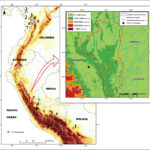
Tucked away in the precipitous elevations of Ecuador’s western Andean slopes, Nymphargus anomalus calls cloud forests its exclusive home. Here, between 1,600 and 2,400 meters above sea level, the air remains perpetually cool, heavy with moisture, and enveloped in the subtle melancholy of misty dawns and drizzly twilight. These montane ecosystems, characterized by dense epiphytic growth, abundant mosses, bromeliads, ferns, and towering trees draped in ethereal veils of lichens, provide the perfect sanctuary for glass frogs.
Specifically, Nymphargus anomalus prefers lush vegetation growing near gentle streams and small rivers. The constant moisture generates ample opportunities for egg-laying, ensures humidity needed for their delicate skin, and supports the insect populations they depend on for sustenance. Consequently, clean freshwater bodies, shaded canopies, and thick undergrowth form the indispensable mosaic necessary for this sensitive amphibian to survive and thrive.
Physical Characteristics#
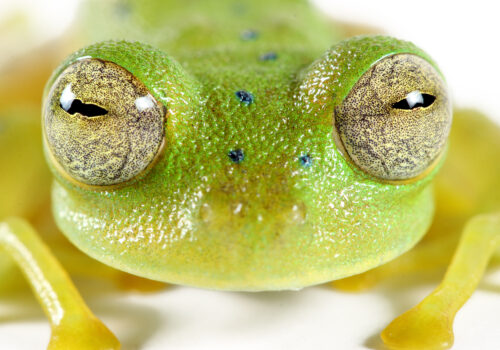
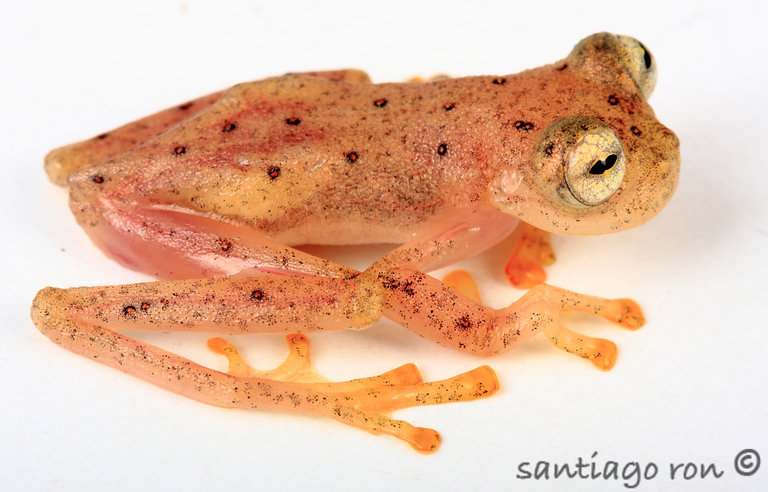
This tiny arboreal dweller might not exceed two centimeters in body length, yet it captures the imagination with remarkable anatomical adaptations. What immediately captures attention is its transparent underside—an evolutionary feature shared by glass frogs worldwide. When viewed from beneath, a clear window into their anatomy emerges, from the rhythmic pulse of a crimson heart to delicately coiled intestines, all plainly visible beneath a translucent skin layer.
The dorsal appearance typically ranges from vivid green to delicate lime, punctuated by minute golden speckles that shimmer subtly under rainforest light. Exceptional camouflage allows these frogs to remain virtually invisible against leaves; often, their presence is only discernible when illuminated by torchlight, their silhouette casting curious shadows driven by the internal anatomy beneath. Their slender limbs, terminated by adhesive toe pads, permit effortless navigation through leaf surfaces and thin branches, elegantly adapted for arboreal life.
Behavior and Life Cycle#
Feeding Habits and Activity Patterns#
Primarily nocturnal, Nymphargus anomalus emerges from daytime shelters at twilight, quietly hunting tiny arthropods attracted to moisture-rich vegetation. Meals generally include insects such as small beetles, flies, mosquitoes, and spiders, which they deftly seize using quick lunges and carefully aimed leaps. Their keen eyesight aids in precise detection, while sensitive skin receptors detect vibrations that signal potential prey moving close by.
Reproduction and Parental Investment#
The courtship and reproductive activities of glass frogs are profoundly delicate and deliberate processes. Males meticulously select leafy branches overhanging gentle streams upon which they launch nightly vocal campaigns—soft whistles and chirps that resonate softly through cool, damp air, inviting females in search of suitable mates and spawning sites.
After successful pairing, females lay gelatinous masses of delicate eggs, frequently clustered beneath leaves suspended over flowing streams. Males assume humble yet meticulous parental duties, guarding their developing offspring from predators such as wasps and ants, and periodically moisturizing egg clutches with droplets of water. When hatching is imminent, tadpoles gracefully slip from their leafy cradles into streams below, beginning a challenging developmental journey among submerged rocks and fallen logs. In due course, emerging frogs undergo metamorphosis, ascending anew to canopy perches, continuing ancestral cycles cultivated through millions of years of evolutionary refinement.
Ecological Role#
The ecological significance of Nymphargus anomalus extends far beyond its diminutive physical stature. Acting both as predator and prey within the complex ecosystem, this creature influences biodiversity dynamics deeply. Their feeding habits help regulate populations of insects, including mosquitoes, contributing subtle yet persistent ecological balance within their habitat.
Conversely, these frogs also serve as valuable prey sources for various bird species, snakes, and larger amphibians, which depend upon them for sustaining their populations. Furthermore, because glass frogs inhabit ecosystems critically dependent on stable temperatures, humidity, and intact watersheds, their presence provides an indicator of environmental health—an early-warning signal for ecosystem disruptions and climate shifts.
Threats and Conservation Status#
Sadly, despite its remarkable adaptations and delicate beauty, Nymphargus anomalus faces escalating threats. Current IUCN assessments have categorized this species as “Endangered,” emphasizing the urgency of ongoing conservation interventions. Habitat destruction remains the preeminent challenge, driven by deforestation for agriculture, cattle grazing, logging, and mining activities, relentlessly shrinking and fragmenting the already fragile mountain ecosystems they rely upon.
Climate change compounds this challenge further, affecting rainfall patterns, temperature stability, and stream flow, threatening tadpole development and survival rates long-term. Furthermore, amphibian-specific pathogens, notably chytrid fungus (Batrachochytrium dendrobatidis), exacerbate population declines, introducing an insidious danger to already vulnerable communities.
Encouragingly, dedicated conservation initiatives increasingly focus on mitigating these threats. Local and international organizations collaborate diligently toward habitat protection and restoration, educational outreach, and scientific research programs aimed at increasing understanding and promoting sustainable coexistence with these fragile species.
Cultural and Scientific Significance#
Beyond ecological roles, glass frogs capture human imagination and curiosities, often symbolizing transparency, fragility, and the hidden wonders of our natural world. Their unique appearance frequently garners attention in artistic expressions, documentaries, and scientific investigation, serving as metaphors for vulnerability and curiosity.
Scientific studies on glass frogs continue to shed invaluable insights into various biological disciplines, from physiology (examining the adaptability and biological innovations represented by their transparent ventral covering) to conservation biology, offering novel methodologies and approaches toward protecting fragile ecosystems and understanding climate-induced biodiversity impacts.
Conclusion#
Within their small, translucent bodies, Nymphargus anomalus embodies an inspiring narrative of ecological interconnectedness, evolutionary wonder, and environmental sensitivity. Their continued existence hinges on our collective commitment toward safeguarding cloud forest habitats and addressing global biodiversity challenges holistically.
By fostering deeper understanding and appreciation for these remarkable amphibians, we strengthen our shared connection to nature’s magnificent complexity. Let our curiosity and wonder translate into active engagement; let these tiny creatures—transparent in body, but vivid in ecological significance—inspire us toward sincere and concerted ecological stewardship.