- Centrolene zarza: Discovering the Enigmatic Glass Frog of Ecuador's Hidden Forests
- Taxonomy and Classification of Centrolene zarza
- Natural Habitat: Amidst Ecuador's Cloud Forest Canopy
- Physical Characteristics: Unveiling a Living Gem
- Behavior and Life Cycle: The Secret Lives of Centrolene zarza
- Ecological Importance: An Indicator of Forest Health
- Threats and Conservation: Protecting Ecuador’s Rare Gems
- Cultural and Scientific Significance: A Window for Understanding Biodiversity
- Conclusion: Preserving the Magic of Centrolene zarza
Centrolene zarza: Discovering the Enigmatic Glass Frog of Ecuador’s Hidden Forests#
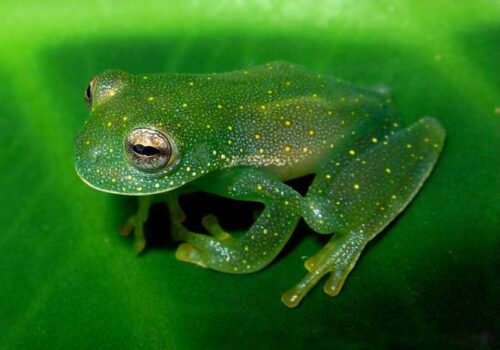
Hidden within the lush, mist-laden cloud forests of Ecuador exists a creature so delicate and dreamlike it seems conjured from fairy tales. The species Centrolene zarza, known commonly as the glass frog, embodies the astounding beauty and fragility of the natural world. Named for the translucent, glass-like skin adorning its delicate body, Centrolene zarza allows us to glimpse an intimate vision of life, as the small, rhythmic heartbeat pulses visibly beneath its clear belly.
Discovered only recently, this wondrous amphibian holds secrets still unfolding to science and captures the imaginations of naturalists, conservationists, and explorers alike. A masterwork of nature’s evolutionary artistry, Centrolene zarza highlights the symbiotic harmony between species and the rapidly disappearing Andean cloud forest ecology. Journey with me to uncover the fascinating biology, captivating behaviors, and enigmatic secrets of this precious jewel of Ecuador’s biodiversity.
Taxonomy and Classification of Centrolene zarza#
To understand Centrolene zarza, it is vital to consider its position among amphibians. Classified within the family Centrolenidae, commonly known as “glass frogs,” these remarkable amphibians belong to a diverse family encompassing dozens of species that are typically characterized by transparent ventral skin. Centrolene zarza was described scientifically as recently as 2004 by acclaimed herpetologists Paulina Cáceres Andrade and Luis Coloma.
The species name, zarza, reflects its specific habitat: it derives from the Spanish word meaning “bramble,” symbolizing the dense tangled vegetation and secluded habitats typical of its forested home. Closely related species within the genus Centrolene emphasize similar characteristics—delicate physiologies, distinctive breeding behaviors, and transparent undersides that reveal internal structures. This remarkable trait places glass frogs prominently in discussions of unique amphibian adaptations.
Natural Habitat: Amidst Ecuador’s Cloud Forest Canopy#
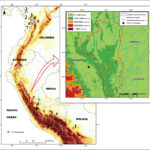
The natural environment of Centrolene zarza encompasses remote sections of Ecuador’s eastern slopes, predominantly in pristine cloud forests at elevations ranging from 1,400 to 1,800 meters above sea level. These lush, mountainous environments envelop landscapes steeped in continuous moisture and shrouded in perennial fog. Rich in biodiversity and sustained by frequent rainfall, cloud forests foster a remarkably specialized ecosystem, where sunlight is filtered through dense canopies and air is permanently saturated with moisture.
Centrolene zarza favors life along clear mountain streams, where swift-flowing waters carve paths through rocky substrates. These streams provide ideal conditions for breeding and egg laying, while the surrounding vegetation offers refuge and camouflage. Ferns, moss-covered trees, bromeliads, and other epiphytic plants create a verdant, vertical labyrinth, offering perfect sanctuaries for these delicate amphibians to rest, feed, and reproduce safely away from predators.
Surviving Among the Mist#
The humid, mist-shrouded ecosystem of the cloud forest enables Centrolene zarza’s distinctive biological strategies, most notably its translucent belly for predator avoidance and camouflage. It thrives best within intact ecosystems far from human intervention, illustrating the intricate ties between species survival and habitat integrity. This frog exemplifies how niche specialization demands habitat conservation and why protecting cloud forests is paramount to amphibian conservation.
Physical Characteristics: Unveiling a Living Gem#
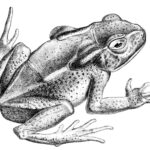
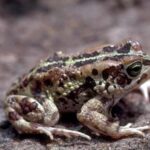
At first glance, Centrolene zarza appears almost ethereal—fragile, tiny, and delicately adorned. Adult frogs average approximately 2 to 3 centimeters in length, embodying the smaller stature typical within glass frogs. Their vivid green-colored dorsal skin perfectly blends into their foliage surroundings, fading seamlessly into translucent bellies. This transparency allows observers a strikingly clear view into their internal anatomy: beating hearts, vibrant red blood cells coursing through vessels, and intricately coiled digestive tracts are astonishingly visible.
The limbs of Centrolene zarza are slender and elongated, adapted perfectly for life among foliage. Equipped with adhesive pads on their toes, they easily navigate leaves and branches, adeptly maneuvering over slippery surfaces of rain-slickened plants and wet rocks. Large, forward-facing golden eyes dominate their small faces, providing sharp nocturnal vision critical for their nighttime hunting habits.
Camouflage and Adaptations for Survival#
This frog’s remarkable transparency functions as a masterstroke of camouflage. From above, predators like birds and snakes view only subtle green coloration blending imperceptibly into leaves, while visual predators from below see only faint shadows mingling with ambient light passing through foliage. Additionally, skin pigments scattered strategically provide added cover, subtly breaking the animal’s outline to further disguise and protect it from predation.
Behavior and Life Cycle: The Secret Lives of Centrolene zarza#
Centrolene zarza lives a primarily arboreal and nocturnal existence, emerging under cover of darkness to hunt and reproduce. Their diet consists primarily of small insects including flies, moths, ants, and other tiny arthropods abundant within their humid forest environment. The frogs rely on their keen visual senses to detect prey movements before capturing their meals with remarkably accurate tongue strikes.
Courtship and Egg-Laying Rituals#
The rainy season in Ecuador’s cloud forest signals Centrolene zarza’s breeding activity, with males calling gently from leaves and branches that overhang pristine streams. These soft chirping calls serve dual purposes: to attract females and to establish territories. Upon mating, females carefully deposit their eggs in gelatinous clusters on leaves strategically positioned above flowing streams. These leaf-bound nests represent a critical survival strategy—carefully selected sites reduce predation risks and allow easy dispersal for hatchlings.
Tadpole Development#
Upon hatching, tiny tadpoles drop into the running water beneath—swift currents quickly dispersing them downstream. This separation from the parent ensures reduced competition and predation. Tadpoles live hidden beneath rocks or amidst submerged vegetation, feeding primarily on algae and organic detritus until metamorphosing into miniature versions of their translucent parents.
Ecological Importance: An Indicator of Forest Health#
Like many amphibians, Centrolene zarza’s sensitivity to environmental changes positions it as an important ecological indicator. As amphibians are highly vulnerable to pollutants, pathogens, and climatic shifts, the health of glass frog populations serves as an early warning system signaling underlying ecosystem distress. Healthy populations of Centrolene zarza reflect balanced habitats, while declines may herald unseen environmental threats.
This species not only predates on insects, helping regulate these populations, but also provides a crucial dietary component for birds, snakes, and mammals inhabiting the same habitat, thus playing a role within broader ecological frameworks as both predator and prey.
Threats and Conservation: Protecting Ecuador’s Rare Gems#
Currently listed as ‘Data Deficient’ by the International Union for Conservation of Nature (IUCN), Centrolene zarza’s true vulnerability status remains unclear, largely due to limited research and difficulty accessing remote habitats. Nevertheless, worldwide cloud forests are increasingly threatened by habitat fragmentation, deforestation for agriculture, livestock grazing, logging, and climate change-induced temperature shifts—all major threats leading to habitat loss and population declines among amphibians globally.
Thankfully, conservationists and ecologists are striving to establish and expand protected areas capable of preserving these fragile ecological corridors. Initiatives focusing on cloud forest conservation, sustainable land practices, and habitat protection remain paramount to safeguarding the future of Centrolene zarza and countless co-dependent forest species.
Cultural and Scientific Significance: A Window for Understanding Biodiversity#
Centrolene zarza provides scientists with crucial insights into evolutionary biology, amphibian ecology, and effects of climatic fluctuations on sensitive ecosystems. Local cultures respect amphibians as symbols of transformation, renewal, and ecological balance. Species like this glass frog are not only treasured biodiversity milestones but compelling ambassadors that showcase the vital urgency of ecosystem conservation initiatives worldwide.
Conclusion: Preserving the Magic of Centrolene zarza#
Centrolene zarza’s existence enriches our understanding of biodiversity, forest ecology, and the interconnectedness among species inhabiting delicate, threatened environments. Their survival is closely intertwined with human-driven decisions regarding conservation, habitat management, and climate stewardship. Every action we take towards protecting cloud forests directly supports the vibrant and fragile life of these translucent marvels.
Explore ways to contribute actively to preserving Ecuador’s cloud forest habitats—whether through supporting conservation organizations, advocating for sustainable resource management, or simply spreading awareness about these spectacular amphibious gems. By safeguarding their future, we safeguard our own capacity to marvel at and learn from the wonders of the natural world, exemplified beautifully through the mesmerizing presence of Centrolene zarza.