- Secrets of the Cloud Forest: Discovering the Enchanting Centrolene altitudinalis Glass Frog
- Taxonomy and Classification: An Insightful Lineage
- The Cloud-Drenched Kingdom: Natural Habitat of Centrolene altitudinalis
- A Delicate Beauty: Physical Characteristics of Centrolene altitudinalis
- Mysteries of the Night: Behavior and Life Cycle
- Pillars of the Ecosystem: Ecological Role of Centrolene altitudinalis
- Threatened Treasures: Conservation Status and Challenges
- A Leaf Above the Waters: Appreciating Our Translucent Guardians
Secrets of the Cloud Forest: Discovering the Enchanting Centrolene altitudinalis Glass Frog#
High above mist-drenched valleys in the lush cloud forests of South America’s Andes mountains, a peculiar little jewel rests discreetly on leaves above rushing streams. Its transparent belly whispers the secret rhythms of life beneath its emerald-green skin. Meet Centrolene altitudinalis, one of nature’s exquisite glass frogs, whose translucent charm has captured the curiosity—and hearts—of scientists and nature enthusiasts alike. This unique amphibian is not merely beautiful; it represents a sensitive indicator of ecological health, a silent guardian of the pristine ecosystems it inhabits.
In this article, we invite you to delve deeply into the hidden world of Centrolene altitudinalis. Together, we’ll journey through cloud forests, explore streams alive with whispered choruses, unravel the mysteries of translucent anatomy, and understand the critical threats placing this remarkable species at risk.
Taxonomy and Classification: An Insightful Lineage#
Centrolene altitudinalis belongs to the fascinating family Centrolenidae, a group of frogs renowned for their translucent undersides, commonly known as “glass frogs.” First described scientifically by researchers Duellman and Savage in 1976, Centrolene altitudinalis holds a distinctive position within the Centrolene genus. These frogs share the hallmark characteristic of a transparent abdomen through which observers can glimpse their internal organs—a feature offering researchers rare insights into amphibian anatomy.
Closely related to other Andean glass frogs such as Centrolene buckleyi and Centrolene ballux, Centrolene altitudinalis distinguishes itself by subtle yet distinct morphological and ecological traits. This close-knit evolutionary lineage raises intriguing questions about adaptation, biogeographical divergence, and the delicate interplay of evolution and environment in shaping the diversity of life.
The Cloud-Drenched Kingdom: Natural Habitat of Centrolene altitudinalis#
The Geography of Mist: Where the Clouds Touch Land#
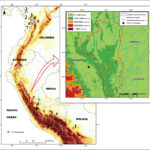
Centrolene altitudinalis has carved a niche within the ethereal, moisture-rich habitats of the Andean cloud forests, primarily spanning regions within Ecuador and possibly into neighboring Colombia. These cloud forests exist primarily at elevations between 1,800 to 3,000 meters—an ecological sweet spot featuring constant humidity, stable temperatures, and an abundance of freshwater streams. Clouds here are not visitors but residents, enveloping moss-covered trees and dripping moisture onto a world defined by perpetual twilight.
An Amphibian’s Paradise: Ecological Preferences of Centrolene altitudinalis#
Amid these swirling mists and temperate coolness, Centrolene altitudinalis chooses carefully. Mature forests, rich with epiphytes, mosses, ferns, and orchids, create ideal hunting grounds and refuges from predation. Most notably, the frogs strongly associate their lives with pristine freshwater streams. Unlike many amphibians that inhabit forest floors, Centrolene altitudinalis favors life in the foliage just above flowing waters. It is this niche specialization—perching carefully on leaves above streams—that defines much of its daily rhythms.
The leaves that overhang clear, clean running water not only provide safety from terrestrial predators but also essential breeding habitats. Centrolene altitudinalis exemplifies the subtle, sophisticated adaptations of cloud forest specialists whose survival depends intrinsically on the health and continuity of their unique habitats.
A Delicate Beauty: Physical Characteristics of Centrolene altitudinalis#
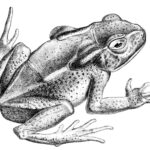
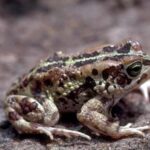
By daylight, Centrolene altitudinalis sleeps hidden under broad leaves, revealing clues of its vivid beauty only to the attentive observer. Adults typically range from eighteen to thirty millimeters—smaller than the size of a thumbnail. A gentle emerald-green hue covers their dorsal surface, a smooth skin sprinkled occasionally with delicate yellowish spots or subtle flecks, helping them disappear amid sun-dappled foliage.
Yet it is their transparent ventral side that truly captures human imagination. This remarkable translucence allows viewers to witness beating hearts, inflating lungs, and even tiny blood vessels. It is a window into a rarely seen world and a powerful adaptation that may serve both camouflage and predator deterrence. Such transparency remains a captivating evolutionary puzzle; scientists debate whether it primarily disrupts predators’ visual perception or if it evolved primarily as a thermoregulatory or metabolic advantage.
The limbs of Centrolene altitudinalis end in expanded, adhesive toe pads that grant superior agility and the ability to cling deftly to the undersides of leaves. This arboreal specialization enables swift movement through foliage, essential for hunting, breeding interactions, and predator avoidance.
Mysteries of the Night: Behavior and Life Cycle#
Hunters of the Leaf-Tops#
As twilight descends and the cloud forest awakens with secret choruses, Centrolene altitudinalis embarks on nightly journeys in search of prey. Predominantly insectivorous, they feast actively on small insects such as ants, beetles, flies, and moths. Their large, expressive eyes are adapted perfectly to low light conditions, capable of tracking the most subtle movements within the foliage.
A Melodious Courtship#
Under the cloak of darkness, breeding season ignites quietly spectacular displays. Male Centrolene altitudinalis congregate along streams and stake out territories in lush vegetation overhanging clear, moving water. Here they call melodiously—a soft, chiming trill that ripples through damp air to attract potential mates and deter rival males. These gentle calls, combined with strategic positioning on foliage, demonstrate nuanced sexual selection behaviors that underscore complex social interactions within tiny forest districts.
Nurturing Life Over Flowing Streams#
Female Centrolene altitudinalis select mates partly based on the male’s location and call quality. After mating, females delicately deposit small clutches of eggs, typically fewer than thirty, carefully affixed to leaves stretching over running water. Vigilant males—displaying exceptional parental commitment—may guard the clutch against predation and fungal infections, signifying rare and valuable parental care behavior observed in amphibians.
When the embryos hatch, tiny tadpoles gracefully plunge into the stream below, beginning aquatic development into fully terrestrial, arboreal adults. This life cycle, intricately tied to pure flowing waters, elegantly demonstrates the sensitivity these frogs have toward habitat quality.
Pillars of the Ecosystem: Ecological Role of Centrolene altitudinalis#
As both predator and prey, Centrolene altitudinalis serves an indispensable ecological function. Its diet of insects helps naturally regulate invertebrate populations, maintaining the delicate equilibrium of the forest ecosystem. Simultaneously, these frogs themselves constitute an essential food source for numerous cloud forest creatures—birds, reptiles, and mammals alike.
Scientists and conservationists recognize the species’ remarkable sensitivity, making it an exceptional indicator of ecosystem health—when populations decline, it signals dangerous ecological imbalances. Protecting this frog, therefore, preserves wider, interconnected biodiversity.
Threatened Treasures: Conservation Status and Challenges#
The IUCN Red List categorizes Centrolene altitudinalis as Vulnerable, signaling alarming trends indicative of widespread environmental pressures. Habitat destruction and degradation through logging, agriculture expansion, and mining operations in Andean cloud forests pose severe threats. Climate change-driven alterations in rainfall patterns and temperatures disrupt breeding cycles and microhabitats, further complicating conservation efforts.
Dedicated researchers and conservation groups are endeavoring to monitor populations, protect vital habitats, and engage local communities in conservation stewardship. These strategies recognize that conserving the mystical cloud forest realms of Centrolene altitudinalis is integral to broader ecosystem stability.
A Leaf Above the Waters: Appreciating Our Translucent Guardians#
As human communities strive to comprehend the broader significance of biodiversity, Centrolene altitudinalis serves as an eloquent and charismatic ambassador of the natural world’s beauty and fragility. Its crystal-clear belly reminds us that life is extraordinary yet intricately vulnerable.
In learning about Centrolene altitudinalis, we embrace an opportunity—to advocate, protect, and preserve the very ecosystems that sustain us all. Would you take that opportunity?
Together, let’s ensure our children’s grandchildren can find Centrolene altitudinalis perched serenely on a leaf, whispering secrets to the gentle streams below.