Introduction#
Beneath the lush, emerald canopies of Indonesia’s Sumatran rainforests exists a small amphibian of extraordinary intrigue—Sigalegalephrynus harveyi. Known popularly as Harvey’s Sigalegale toad, it is a fascinating representative of Southeast Asia’s incredibly rich biodiversity. Shrouded in mystique and officially described as recently as 2017, this amphibian embodies nature’s persistent capacity to surprise, captivate, and inspire exploration.
At first glance, Sigalegalephrynus harveyi appears robust yet subtle, blending seamlessly into the leaf litter and moss-draped logs of its dense forest home. Peculiar behaviors, intricate ecological relationships, and a vulnerable future make this tucked-away amphibian species a compelling subject deserving increased attention and protection.
Taxonomy and Classification#
Sigalegalephrynus harveyi belongs to the amphibian class, specifically within the order Anura, the diverse and familiar order of frogs and toads. This enigmatic species resides within the family Bufonidae, commonly referred to as the true toads, famous for their sturdy builds, warty skin, and intriguing behaviors.
The distinctive genus name “Sigalegalephrynus” derives intriguingly from “Sigale gale,” a term in local Sumatran folklore referring to wooden puppets traditionally used in funeral rituals. This naming beautifully reflects the cryptic and stationary behavior of this unique species. Within its genus, S. harveyi currently stands alone, classified as a monotypic genus, highlighting the uniqueness and importance of preserving this unusual amphibian.
Natural Habitat#
Geographic Range and Distribution#
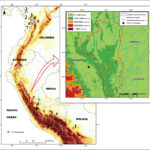
The Sigalegalephrynus harveyi is restricted to Indonesia, particularly in northern Sumatra. The species has been documented specifically in the lush and vibrant montane forests, thriving at elevations between 1200 and 1600 meters above sea level. Its known habitats are primarily concentrated within Bukit Barisan Selatan National Park—their secluded and humid forests offering shelter and sustenance vital to the frog’s survival.
Habitat Preferences and Survival Strategies#
Step into the gently misted montane rainforest that the Harvey’s Sigalegale toad calls home—moss-draped trees towering overhead, an orchestra of buzzing insects and bird calls providing nature’s soundtrack. Within this dense, ever-humid environment, this amphibian prefers hiding among fallen leaf litter, decaying logs, and dense undergrowth. The abundant leaf litter is particularly crucial, providing the moisture and refuge necessary for the frog’s survival and reproductive success.
The species demonstrates a clear preference for relatively pristine forests, rarely venturing into disturbed or open areas. Such strict habitat requirements underscore its sensitivity to environmental changes and disruptions, making it an invaluable indicator species whose presence signals healthy, intact ecosystems.
Physical Characteristics#
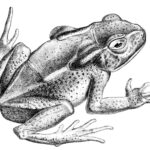
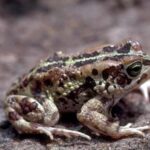
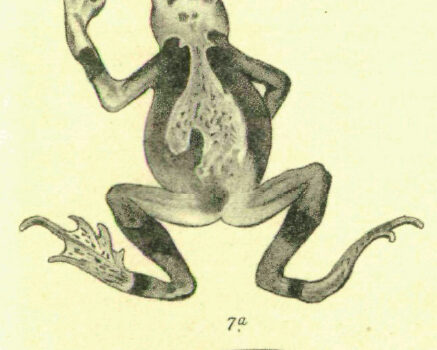
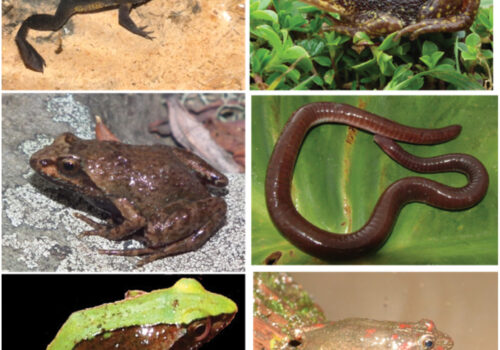
The Sigalegalephrynus harveyi is a fascinating example of adaptive cryptic coloration. Adult individuals usually measure between 22 and 27 millimeters in length, compactly built with short, powerful limbs adapted specifically for terrestrial mobility. Their dorsal skin is textured and adorned with wart-like tubercles, mimicking the irregularly shaped forest debris scattered across the forest floor where they reside.
The species’ coloration is nothing short of exquisite from an evolutionary standpoint, with muted shades of brown, gray, and olive greens harmonizing perfectly with their moist environment. Intricate markings along their dorsum further assist in camouflaging, resembling lichen patterns or mottled leaf litter. Large, expressive eyes grant the frog excellent low-light vision, essential for its nocturnal activities and reproductive behaviors.
Behavior and Life Cycle#
Nocturnal Predators and Ambush Tactics#
By day, a casual observer might mistake the frog for just another clump of forest debris, utterly motionless and silent. However, with nightfall, Harvey’s Sigalegale toads become astutely active ambush predators. They patiently await small arthropods, springtails, beetle larvae, and other insects passing by, swiftly capturing prey with lightning-fast strikes facilitated by their quick, adhesive tongues.
Reproduction, Vocalizations, and Parental Care#
As seasonal rains bring revitalizing moisture to their forest abode, a mesmerizing reproductive chorus emerges amid the nighttime stillness. The males produce low, melodic trills with occasional quiet clicking calls from well-concealed perches near streams or temporary water pools. These vocalizations function as invitations and displays, drawing females ready to deposit their eggs.
The reproductive cycle of Harvey’s Sigalegale toad is beautifully adapted: eggs are laid in carefully chosen puddles, small pools, or slow-moving forest streams. Tadpole development is swift, a crucial adaptation in the ever-changing dynamics of rainforest habitats. Intriguingly, preliminary studies suggest some parental investment in egg protection—males remaining near egg masses to safeguard against predators and fungal infections. Such paternal vigilance speaks volumes of this tiny frog’s remarkable adaptations and commitment to species survival.
Ecological Role#
Sigalegalephrynus harveyi holds a vital niche within their montane rainforest ecosystem. As both predator and prey, they actively contribute to ecological balance and stability. Feeding on insects and various invertebrates, these frogs help regulate populations of smaller species, indirectly controlling pest outbreaks and maintaining healthy levels of soil arthropods critical for decomposition and nutrient cycling.
Simultaneously, Harvey’s Sigalegale toads support forest food webs by themselves serving as prey for several higher predators. Birds, snakes, and mammals dependent on such rich food sources find nourishment in amphibian populations. Its sensitivity to environmental changes also makes this species an invaluable biological indicator, offering early warnings about habitat health and ecosystem resilience.
Threats and Conservation Status#
Despite being recently described and still understudied, preliminary evaluations indicate that Sigalegalephrynus harveyi may be facing significant population pressures. Habitat encroachment, unsustainable agricultural practices, logging activities, and climate change threaten the integrity of its montane forest sanctuaries. Reduced forest cover and habitat fragmentation isolate populations, weakening their genetic diversity and adaptability.
While the International Union for Conservation of Nature (IUCN) has yet to officially list this species due to its relative newness to science, experts anticipate that future assessments could lead to a threatened classification. Immediate conservation efforts, including habitat protection, strict logging and agriculture regulations, and community awareness-raising, are essential to safeguard Harvey’s Sigalegale populations for generations to come.
Cultural and Scientific Significance#
The naming of Sigalegalephrynus harveyi after the famed “Sigale gale” puppets is a cultural tribute highlighting a deep connection between local heritage and biodiversity. In traditional folklore, Sigale gale symbolizes remembrance and reverence for ancestors, and this symbolic link between culture and nature serves as vital leverage for conservation education. Local communities, recognizing the intertwining of their heritage with this unique frog, could become vital participants in future conservation initiatives.
From a scientific viewpoint, discovering and protecting species such as Harvey’s Sigalegale Toad is incredibly critical. Amphibians, due to their sensitivity to climate and habitat changes, represent an essential “canary in the coal mine,” providing scientists timely insights into ecosystem health. Preserving this recently documented species enhances global understanding of biodiversity, ecosystem functions, and evolutionary biology.
Conclusion#
The Harvey’s Sigalegale Toad (Sigalegalephrynus harveyi) stands as an exquisite testament to Indonesia’s dazzling biological diversity, presenting scientists, conservationists, and nature enthusiasts with boundless opportunities for exploration, understanding, and protection. However, the future of this cryptic yet fascinating amphibian relies firmly upon immediate and conscientious conservation efforts and ecological stewardship.
By sharing its remarkable story, spreading awareness, and supporting active conservation initiatives, we collectively ensure this captivating frog—and its majestic rainforest habitat—continue their mesmerizing existence, enriching both nature and humanity for generations to come.