- Sigalegalephrynus burnitelongensis: Exploring the Fascinating World of a Remarkable Frog Species
- Taxonomy and Classification
- Natural Habitat: The Majestic Wilderness of Burni Telong
- Physical Characteristics: Masterpieces of Subtlety and Adaptation
- Behavior and Life Cycle: Secretive Patterns Unveiled
- Ecological Role: Guardians of Ecosystem Health
- Threats and Conservation Status: A Fragile Existence
- Cultural and Scientific Significance: A Symbolic Discovery with Real-World Applications
- Conclusion: Protecting a Wonder, Inspiring Action
Sigalegalephrynus burnitelongensis: Exploring the Fascinating World of a Remarkable Frog Species#
Hidden amid lush greenery and mist-draped trees of remote Indonesian rainforests, a little-known amphibian dances quietly along secluded streams, rarely glimpsed and scarcely known—the mesmerizing Sigalegalephrynus burnitelongensis. With its curious name offered as a tribute to Burni Telong—the majestic volcanic landscape it calls home—this intriguing frog captivates those privileged few who have encountered it. Although relatively recent in scientific discovery, Sigalegalephrynus burnitelongensis has already established a compelling narrative within amphibian circles, combining an intriguing biology, fascinating behaviors, and urgent conservation implications.
Stepping into its humid, moss-covered domain is akin to entering an enchanted world, one teeming with hidden wonders, subtle movements, and melodic choruses served up nightly beneath moonlit canopies. While many frogs can boast vibrant colors or notable songs, Sigalegalephrynus burnitelongensis offers a subtler, equally captivating intrigue—an intimate window into the secret lives of forest floor inhabitants.
Taxonomy and Classification#
The unique frog Sigalegalephrynus burnitelongensis belongs to the Bufonidae family, well-known worldwide as the diverse and widespread “true toads.” While Bufonidae contains several commonly spotted species, Sigalegalephrynus burnitelongensis finds itself securely nestled in the recently established genus Sigalegalephrynus. Distinctive enough to warrant a new genus assignment by scientists, its discovery not only illuminated the biodiversity within Sumatra but reminded researchers how much remains unknown in even the most explored realms.
This genus, established to accommodate newly recognized amphibians bearing special morphological characteristics, distinguishes itself specifically by its skeletal anatomy, glandular patterns, and unique geographical distribution. Close genetic and morphological analyses placed it comfortably within Bufonidae while highlighting clear distinctions from related toad groups such as those within the genus Ansonia. This new genus thus underscores the delicate intricacies and detailed guidelines required in taxonomic science.
Natural Habitat: The Majestic Wilderness of Burni Telong#
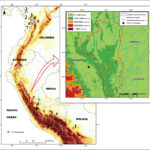
A rugged and vibrant landscape defines the natural allure of Sigalegalephrynus burnitelongensis. Endemic to Burni Telong, an imposing mountainous area in northern Sumatra, Indonesia, this species thrives among mountain streams and densely forested montane habitats, typically situated at altitudes above 1,000 meters. Burni Telong, an active volcano shadowed by its lush canopy, provides an ideal realm for defying human intrusion and protecting delicate ecosystems in hidden valleys and steep, wooded slopes.
Niche Preferences and Specializations#
Sigalegalephrynus burnitelongensis displays a distinct affinity closely linked to clear, gently flowing, and cool mountainous streams. The humid microenvironment—comprising moss-laden boulders, dripping vegetation, and dense leaf litter—creates an idyllic shelter from predators and intense sunlight. Sheltering beneath foliage-covered rocks and logs, the frog’s cryptic behavior resonates with the serenity that characterizes these pristine, damp regions.
The intricate habitat choice provides benefits extending well beyond protection and camouflage. The frog’s survival and reproductive cycle rely deeply on precisely controlled microclimates governing temperature, humidity, and prey availability. Stability within these microhabitats has critical implications for the amphibian’s longevity, successfully conferring refuge from broader environmental fluctuations.
Physical Characteristics: Masterpieces of Subtlety and Adaptation#
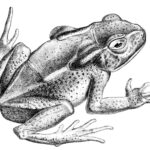
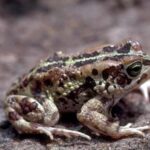
At first glance, Sigalegalephrynus burnitelongensis may seem deceptively understated—a small, earth-toned creature cloaked in subtle shades of olive, grey-brown, and tan. Yet, upon closer investigation, these modest finishings tell nuanced evolutionary stories, displaying numerous specialized adaptations tailored explicitly for their highly specialized niche.
Mature adults commonly measure between 20 to 25 millimeters in length from snout to hind, placing them firmly among the smaller, more unobtrusive species within their range. Their diminutive size helps them blend inconspicuously into the tangles of leaf litter and damp bark, seamlessly integrating them into their environment and profoundly decreasing detection by cunning predators.
Furthermore, texture and coloration augment their protective strategy—granular, wart-like skin allows moisture retention critical in such humid zones. Mottled patterns reminiscent of dappled forest light further confound potential predators, enhancing the frog’s stealth and survival chances. Large eyes adapted to register subtle disturbances and prey movements assist them masterfully in identifying danger or opportunity within their shadowy world.
Behavior and Life Cycle: Secretive Patterns Unveiled#
Exploring the behavior and life strategies of Sigalegalephrynus burnitelongensis requires patience, silence, and reverential attention to nocturnal whispers and patterns hidden among shadows. Crepuscular and nocturnal by nature, their active periods predominantly happen during twilight hours and nights when they gracefully emerge to hunt and reproduce.
Foraging Tactics and Feeding Habitats#
The species predominantly feeds on small insects and arthropods, seizing opportunities eagerly from its favored ground-level vantage points. Its feeding routine involves stealthy ambush predation, expertly using its cryptic coloration and patient temperament to advantageously seize prey straying too close. Diet typically encompasses ants, beetles, tiny millipedes, termites, and occasionally smaller arachnids, precisely aligning the frog’s role as a natural pest controller within its habitat.
Breeding Rituals and Life Cycle Dynamics#
During breeding seasons, males gather in secluded areas adjacent to gently running, rocky brooks, resonating their distinctive mating calls through the rainforest night—a soft, melodious chorus with rhythmic precision. Following successful attraction, female frogs form pairings before depositing their eggs in clear, shallow stream pools tucked securely among rocky crevices or protected depressions.
Tadpole development embodies the family’s familiar lifecycle but rapidly accelerates due to mountain stream dynamics. Clear flowing waters sustain the fragile larvae, supplying optimal oxygen and nutrients essential for successfully metamorphosing into miniature terrestrial adults. This intricate cycle of reproduction underscores the species’ remarkable adaptation to its unique, demanding environment.
Ecological Role: Guardians of Ecosystem Health#
Sigalegalephrynus burnitelongensis inhabits an ecologically sensitive niche serving simultaneously as both predator and prey. Its active involvement in controlling insect populations contributes directly towards maintaining ecological balance, showcasing its irreplaceable position within a delicate food web.
Such amphibians also typically operate as crucial bioindicators, sensitive to environmental changes as their semi-permeable skin and dual aquatic-terrestrial lifestyle directly reflect environmental degradation or ecosystem stability. Thus, healthy populations signal ecosystem vibrancy, and declining numbers alert ecologists to study potential environmental disturbances early.
Threats and Conservation Status: A Fragile Existence#
Despite being quite recently discovered and still poorly understood, Sigalegalephrynus burnitelongensis already faces growing threats. Expanding agriculture, habitat fragmentation, illegal deforestation, and climatic instability force urgent calls for focused conservation strategies. Though potentially abundant within its narrow home range, limited distribution significantly elevates extinction risks associated even with small-scale environmental alterations.
To date, the species remains unlisted by the International Union for Conservation of Nature (IUCN). Nonetheless, many herpetologists advocate the need for immediate conservation assessments and targeted protection measures, preserving its ecological niche from potential ecological disaster before irreversible losses occur.
Cultural and Scientific Significance: A Symbolic Discovery with Real-World Applications#
Historically embedded within local folklore, themes of natural guardianship echo within Indonesia’s cultural heritage and traditional ecological beliefs—though specific local cultural connections with Sigalegalephrynus burnitelongensis remain poorly documented. Nevertheless, broader symbolism reveres amphibians often representing fertility, abundance, and regeneration, offering symbolic resonance worth exploring more deeply into cultural connections.
Scientifically, discovery of the species provides crucial data enhancement in biodiversity monitoring exercises, underlining how much there remains to learn from local ecosystems. Amphibians unravel exciting implications within biomedical research, offering potential insights concerning environmental stressors, ecological shifts wrought by climate change, or emergent possibilities in novel research methods and ecological monitoring technologies.
Conclusion: Protecting a Wonder, Inspiring Action#
Through the ecological lens of Sigalegalephrynus burnitelongensis, we glimpse deeply into undeniable natural wonders woven tightly within complex habitats. As enthusiasts, students, and nature lovers alike delve intimately into this species’ story, awareness and fascination transform inevitably into stewardship impulses. Preserving such treasures means pledged commitment to ecosystem sustainability, championing accurate education, support for conservation alongside community-driven ecological engagement.
Burni Telong’s quiet, fascinating inhabitant serves as a vital reminder that hidden corners conceal invaluable mysteries deserving our reverential dedication and conservation actions—guiding us toward a vibrant, sustainable coexistence with wild diversity thriving intact and abundant.