- Sclerophrys villiersi: Unveiling the Enigmatic African Toad
- Introduction to a Fascinating Amphibian
- Taxonomy and Classification
- Natural Habitat: Beneath the Green Canopy
- Physical Characteristics: Quiet Beauty and Adaptive Artistry
- Behavior and Life Cycle: A Delicately Woven Survival
- The Ecological Role of Villiers' Toad
- Threats and Conservation Status: An Amphibian Under Pressure
- Cultural and Scientific Significance: Linking Nature and Humanity
- Conclusion: A Collective Call to Action
Sclerophrys villiersi: Unveiling the Enigmatic African Toad#
Introduction to a Fascinating Amphibian#
Damp, moonlit forests echo with the rhythmic chorus of frogs, each voice distinct—an orchestra hidden within lush greenery. Among these secretive symphonists is a creature few have heard of but whose story offers captivating insights into Africa’s complex biodiversity—the enigmatic Sclerophrys villiersi. Known otherwise as Villiers’ Toad, this humble amphibian navigates an existence delicately balanced within the rainforest ecosystems of West Africa, demonstrating remarkable adaptations and ecological significance.
While it may not boast vibrant hues or striking displays like some amphibians, Villiers’ Toad possesses its own subtle beauty, intertwined with the health and rhythms of its natural habitat. A closer look reveals a remarkable survivor, a sensitive ecological indicator, and an engaging character worthy of understanding and protection.
Taxonomy and Classification#
To truly appreciate Sclerophrys villiersi, it is important to first place it within its biological context. This toad belongs to the family Bufonidae, species renowned worldwide for their characteristic stout bodies and unique glands secreting defensive toxins. Formerly classified in the broad genus Bufo, reclassification informed by genetic studies has positioned Villiers’ Toad firmly in the genus Sclerophrys, a lineage predominantly African in occurrence.
The species epithet “villiersi” honors André Villiers, an influential entomologist whose exploration and research significantly advanced biological sciences in Africa. Closely related to other members of the genus, such as Sclerophrys regularis, our toad occupies its own unique niche carved out by eons of evolution in isolation.
Natural Habitat: Beneath the Green Canopy#
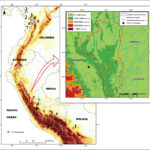
The story of Sclerophrys villiersi unfolds primarily within the dense, moisture-rich tropical forests of West Africa, specifically within a limited geographic range encompassing select regions in countries such as Côte d’Ivoire and Guinea. Unlike species thriving near permanent water bodies, Villiers’ Toad is particularly adapted to the leaf-strewn understory, maintaining close ties with damp, shaded terrestrial or semi-terrestrial habitats. These ecosystems offer the perfect refuge from predators and the exquisite microclimates required for their skin’s moisture balance and breeding activities.
Imagine stepping softly onto a carpet of fallen leaves—a cool, damp mesh of organic matter gently sinking beneath your feet. Here, within these layered, shaded microhabitats, Villiers’ Toad makes its silent, adaptive home. The presence of this amphibian signals that beneath your steps lies a thriving ecosystem teeming with diverse microorganisms, insects, and plant life.
The integrity of these habitats directly influences the species’ health, making Villiers’ Toad an important bio-indicator—resilient yet profoundly sensitive to environmental disturbances such as deforestation, pollution, or climatic shifts.
Physical Characteristics: Quiet Beauty and Adaptive Artistry#
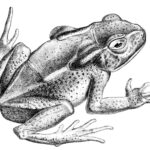
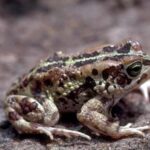
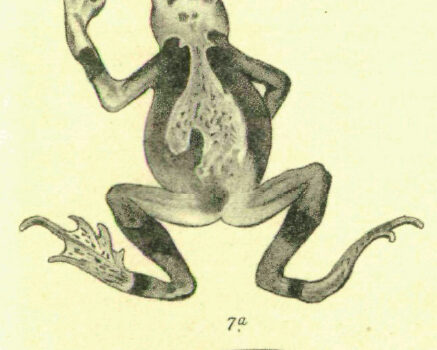
Admirers of the subtleties of nature will find much to discover in Villiers’ Toad. A moderate-size species—generally achieving lengths of approximately 40-60 millimeters—it’s neither the grandest nor the most diminutive in its family. However, its subtle coloration and intricate skin textures reveal a beautifully adaptive creature harmonizing flawlessly with its environment.
The toad’s skin displays shades of muted browns, olives, grays, and occasional reddish or orange tinges, harmonizing perfectly with the organic mosaic of leaf litter. Its coarse, warty texture serves a clear purpose, aiding in moisture retention and secretion of avoidance toxins, protective against potential predators. Prominent glands positioned behind its eyes, the parotoid glands, secrete milky toxins which discourage predation—nature’s chemical defense at its finest.
Eyes large in proportion to its body grant this species impressive nocturnal abilities, capturing much-needed ambient light to navigate effectively once darkness blankets the rainforest floor. Limbs proportionate and formidable, distinct toes lacking pronounced webbing equip the toad perfectly for a terrestrial lifestyle, comfortable among leaf litter rather than open water.
Behavior and Life Cycle: A Delicately Woven Survival#
Feeding Habits and Foraging#
Like many toads, Sclerophrys villiersi is a formidable, opportunistic predator, feeding primarily on a variety of insects and small invertebrates. Its nocturnal lifestyle provides optimal hunting opportunities, utilizing the cover of darkness to locate prey. A keen sense of vision coupled with flickering movements—fast lunges and skilled tongues darting—underscore its effectiveness, reducing insect populations and thus subtly balancing ecological dynamics.
Vocalizations and Mating#
Breeding seasons awaken an auditory symphony within the forest, as male Villiers’ Toads gather at suitable breeding sites—temporary woodland pools, marshy patches, or rain-fed depressions—and deliver their characteristic mating calls. A slow, repetitive chirping or trilling, often calling in chorus with fellow males, serves simultaneously as romantic enticement and territorial defiance, each voice seeking the attention of receptive females.
Females, drawn by these resonating nocturnal serenades, join the mating assemblage where paired toads participate in embrace known as amplexus. Egg deposition follows swiftly, with eggs laid in gelatinous strings or clusters directly into water or very saturated leaf matter.
Tadpole Development and Metamorphosis#
Emerging tadpoles quickly develop, relying on shallow, nutrient-rich environments until completing their remarkable metamorphosis. During this phase, they demonstrate extreme environmental adaptability, feeding voraciously on algae, organic detritus, or microscopic organisms before transforming into miniature terrestrial replicas of their adult form. Early-life mortality remains high, balancing the delicate ecological cycle and giving purpose to their prolific breeding strategies.
The Ecological Role of Villiers’ Toad#
Though quiet and unassuming, the existence of Sclerophrys villiersi holds widespread ecological importance. Being both predator and prey, they contribute substantially to local nutrient cycling and food web stability. They limit insect populations naturally, impacting agricultural health positively by checking pest outbreaks.
Their vulnerability to environmental damage also makes them a prime indicator species. Healthy Villiers’ Toad populations attest to robust ecosystems—unpolluted, undamaged forests essential for broader global ecological well-being. Declining populations, conversely, may indicate habitat degradation or harmful ecological shifts, issuing a clear and poignant warning.
Threats and Conservation Status: An Amphibian Under Pressure#
Unfortunately, today Villiers’ Toad faces threats common to many amphibian species globally. Habitat loss through increased logging, agriculture encroachment, and expanding urban areas significantly reduces available habitats, threatening their isolated populations. Pollution from agricultural chemicals, climate-driven changes in precipitation and temperature regimes, and introduced pathogens like chytrid fungus further compound these pressures.
The International Union for Conservation of Nature (IUCN) currently categorizes Sclerophrys villiersi as “Vulnerable,” reflecting real and immediate risks yet offering a vital window of opportunity for conservation interventions. Continued habitat conservation, sustainable forestry, and local education ensure the sustained existence of this species more effectively than isolated conservationist efforts alone.
Cultural and Scientific Significance: Linking Nature and Humanity#
While less celebrated in folklore than brighter-colored amphibians, species like Sclerophrys villiersi attest to humanity’s intrinsic interconnectedness with nature’s web. Scientific studies, though limited, provide valuable insights into this toad’s tolerance of environmental perturbation, inspiring zonal conservation initiatives which have broader conservation relevance.
Conclusion: A Collective Call to Action#
Sclerophrys villiersi—a creature seemingly delicate yet impressively resilient—holds valuable lessons for ecological conservation, evolutionary biology, and environmental ethics alike. Its survival rests dutifully upon our commitment toward safeguarding the habitats it requires to flourish naturally. By understanding and celebrating the quietly captivating world of Villiers’ Toad, we underscore the universal need for sustained biodiversity advocacy and nature-conscious decision-making.
Let us move forward as thoughtful stewards, supporting conservation efforts, research, and thoughtful ecological dialogue. After all, protecting Villiers’ Toad means protecting the planet’s very pulse, vibrant and alive beneath every leaf and chorus-filled night.