- Sclerophrys tihamica: Discovering the Hidden World of the Tihama Toad
- Taxonomy and Classification
- Natural Habitat: Life in Arabia’s Coastal Plains
- Physical Characteristics: Merging with the Landscape
- Behavior and Life Cycle
- Ecological Role: A Keystone Amphibian in a Sensitive Ecosystem
- Threats and Conservation Status
- Cultural and Scientific Significance
- Conclusion: Preserving a Hidden Treasure
Sclerophrys tihamica: Discovering the Hidden World of the Tihama Toad#
In the hushed twilight beneath the moist foliage of southwestern Arabia, life flourishes unseen. Here, hidden among shadows, sheltered by pools formed after seasonal rains, comes a soft yet persistent croaking. Beneath the leaves, among the streams and shallow pools, lives an inconspicuous marvel—the Tihama Toad, scientifically known as Sclerophrys tihamica. This amphibian, cloaked in subtle earth tones, might go unnoticed by the casual observer, but beneath its humble appearance lies a species deeply intertwined with the ecological tapestry of the Arabian Peninsula.
Although it may not boast striking beauty or flamboyant coloration, Sclerophrys tihamica captivates biologists and conservationists alike due to its unique adaptations, ecological importance, and the mysteries still surrounding its behavior. In this article, we journey into the fascinating life of the Tihama Toad, exploring its humble existence, marvelous adaptations, integral ecological role, and the challenges it faces amid a rapidly changing environment.
Taxonomy and Classification#
The Tihama Toad belongs to the Bufonidae family—a group known widely for their tough, warty skin and adaptability. Within this diverse family, it finds its place in the genus Sclerophrys, which comprises many distinct species of African and Arabian toads adapted to varied ecosystems. The Tihama Toad was previously included in the genus Amietophrynus but molecular and morphological studies have clarified its taxonomic position, now firmly placing it in Sclerophrys.
The species epithet “tihamica” refers to its primary geographical range, derived from the Tihama region—a narrow coastal plain strip in Saudi Arabia and Yemen. The region is known for its unique geography, featuring hot, humid conditions interspersed by seasonal rainfall, creating ephemeral water bodies where the Tihama Toad thrives.
Natural Habitat: Life in Arabia’s Coastal Plains#
Sclerophrys tihamica is endemic to a relatively restricted distribution, primarily inhabiting the coastal lowlands and lower foothills of southwestern Saudi Arabia and northwestern Yemen. The Tihama region, from which the species gets its name, is characterized by its unique microclimate—hot and humid coastal conditions intersected by seasonal rains, creating a patchwork of temporary pools, slow-flowing wadi systems, streams, and ephemeral wetlands.
A Seasonal Life among Wadis and Ephemeral Pools#
The Tihama Toad favors habitats that fluctuate between wet and arid conditions. Monsoonal rains renew these landscapes annually, sculpting seasonal pools and shallow streams perfect for breeding. When rains arrive, dry landscapes transform overnight into buzzing ecosystems bustling with life.
During the wetter months, these amphibians gather around shallow, sun-warmed pools hidden beneath foliage or sheltered between rocky outcrops. The micro-habitats help them maintain a crucial balance between moisture retention and protection against potential predators. When the season shifts towards aridity, the Tihama Toad adopts a secretive, terrestrial lifestyle, taking refuge beneath leaf litter, rocks, and moist crevices, relying on their evolved dehydration resistance to survive extended dry spells.
Physical Characteristics: Merging with the Landscape#
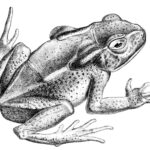
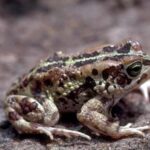
Upon first glance, one might easily overlook the Tihama Toad—a purposeful adaptation rather than an oversight. Growing up to approximately 7 to 9 centimeters in length, Sclerophrys tihamica is a medium-sized amphibian, comfortably fitting within the palm of a hand. Its rough, wart-speckled skin is typically mottled in pattern and coloration, displaying variations of beige, brown, olive, and gray hues. This muted palette offers remarkable camouflage in its natural surroundings, blending seamlessly against damp soil, rocks, and decaying vegetation.
A closer inspection reveals the species’ sturdy limbs, optimized for digging and climbing short distances to preferred perches or sheltered hiding spots. Like its closest relatives, the Tihama Toad employs well-developed parotoid glands located behind its eyes. These glands secrete a mild toxin intended to deter predators, providing the toad with an essential line of defense against the various threats shared by amphibian inhabitants of the region.
Behavior and Life Cycle#
Like many amphibians, much of Sclerophrys tihamica‘s astonishing life unfolds unseen by human eyes. During the early days of the monsoon, the male Tihama Toad’s choruses fill twilight air—a melodious, rhythmic croaking designed boldly to attract females from their secluded shelters. After successful mating, females lay strings of eggs within safe, shallow pools, releasing a promising new generation into sheltered nursery ponds.
From Tadpole to Toad: A Journey of Transformation#
The Tihama Toad’s eggs hatch quickly in the transient wet season, releasing thousands of tiny, blackish tadpoles who quickly adopt a filter-feeding lifestyle. Their accelerated growth in these temporary aquatic nurseries underscores nature’s ingenious adaptations; rapid development ensures young toads are fully formed before drought reclaims their fleeting habitat. The juvenile toads leave water approximately six weeks later, beginning terrestrial lives under cover of foliage or logs, maintaining close proximity to moisture sources—a strategy vital to their survival in such a challenging environment.
Feeding Habits and Predatory Strategies#
Adult Tihama Toads eagerly devour an array of insects, arachnids, and other small terrestrial invertebrates drawn to the same seasonal pools and lush vegetation. Utilizing their agile tongues and quick reflexes, these patient hunters ambush prey with impressive efficiency, helping curb insect populations and maintaining ecological balance across their ranges.
Ecological Role: A Keystone Amphibian in a Sensitive Ecosystem#
The Tihama Toad, though modest in size and appearance, is central to ecosystem health. As an abundant predator consuming insects, it significantly influences insect populations, keeping pest outbreaks in check. Likewise, tadpoles and juveniles, in turn, form a crucial link in the food chain, serving as prey to birds, snakes, and other predators. Amphibians also act as sensitive environmental indicators; their success or decline often mirrors ecosystem health. As such, monitoring Tihama Toad populations can guide conservation strategies aimed at preserving biodiversity throughout the Tihama region.
Threats and Conservation Status#
Currently, Sclerophrys tihamica is classified as a species of Least Concern by the International Union for Conservation of Nature (IUCN), meaning it’s reasonably widespread and isn’t immediately threatened. However, this status doesn’t imply immunity to threats. Habitat degradation, human encroachment, expanding agriculture, water pollution, and climate-driven changes in rainfall patterns all pose potential future challenges for the species.
Conservationists highlight the importance of proactive monitoring, habitat protection, and responsible land-use management to ensure its continued presence. Protection of wadis, seasonal pools, and natural foliage remains critical for their continued survival.
Cultural and Scientific Significance#
Though not prominent in local folklore, Sclerophrys tihamica embodies the often-overlooked diversity and adaptability essential to the health of Arabian ecosystems. Scientists value this species as a biological sentinel, informing broader ecological health studies in the face of climate change. Studying their fascinating adaptation strategies can unlock insights important not only for amphibians but for understanding how other species may survive and adapt amid environmental uncertainty.
Conclusion: Preserving a Hidden Treasure#
The subtle and resilient presence of the Tihama Toad (Sclerophrys tihamica) is a reminder of nature’s inherent adaptability. Hidden among foliage, dependent upon seasonal processes, this remarkable creature symbolizes both vulnerability and resilience, prompting us to appreciate the often unnoticed marvels of amphibian life.
To safeguard this intricate web of life, raising awareness, protecting natural habitats, and supporting proactive conservation measures are vital. Next time twilight cloaks the after-rain air in Arabian coastal plains, take a moment to listen carefully. You might just hear the soft yet persistent call of Sclerophrys tihamica, inviting you to discover the quiet magic thriving beneath the leaves.