- Sclerophrys perreti: Exploring the Hidden World of Perret's Toad
- Taxonomy and Classification of Sclerophrys perreti
- Natural Habitat and Geographic Distribution
- Physical Characteristics: Camouflage, Adaptation, and Survival
- Behavior and Life Cycle
- Ecological Roles of Perret’s Toad
- Threats and Conservation Status
- Cultural and Scientific Significance
- Conclusion: A Call for Stewardship and Discovery
Sclerophrys perreti: Exploring the Hidden World of Perret’s Toad#
Hidden beneath lush foliage, beside tranquil streams, and within the damp leaf litter of Central African forests lies a unique and intriguing amphibian whose name is unfamiliar to most. Sclerophrys perreti, commonly known as Perret’s Toad, embodies a story rich in biological adaptations, intricate ecological interactions, and an urgent conservation narrative. Named after Swiss herpetologist Jean-Luc Perret, this elusive amphibian has captured the interest of biologists and conservationists alike. Though it exists largely unnoticed by casual observers, its presence and well-being offer vital clues about the health of our planet’s tropical ecosystems.
Yet, despite its remarkable story, the Perret’s Toad remains underappreciated and largely undocumented in the mainstream wildlife discourse. Through this comprehensive journey, we will venture deep into the habitat of Sclerophrys perreti, unraveling the extraordinary life of this humble amphibian and illuminating why its conservation deserves our immediate attention and appreciation.
Taxonomy and Classification of Sclerophrys perreti#
Sclerophrys perreti, a part of the Bufonidae family, sits comfortably within the widespread genus Sclerophrys, known commonly as “True Toads”. Previously placed under the genus Bufo, taxonomists reassigned various African toad species, including this one, as knowledge of their genetics and evolutionary history deepened.
With approximately 45 distinct species within the genus, Sclerophrys includes several close relatives to Perret’s Toad, such as Sclerophrys regularis (the African Common Toad) and Sclerophrys camerunensis. Despite sharing many ecological niches, subtle yet decisive differences in morphology, genetics, and vocalization patterns clearly distinguish Sclerophrys perreti from its relatives.
Natural Habitat and Geographic Distribution#
The Forest Realms of Cameroon and Nigeria#
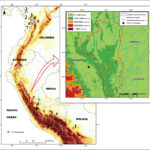
The habitats of Sclerophrys perreti span primarily moist, tropical forests from southeastern Nigeria to western-central Cameroon. This species passionately embraces the dense canopy shelters, verdant ground vegetation, as well as regions adjacent to slow-moving freshwater streams. It favors environments with high humidity levels and abundant leaf-litter cover, which provide critical shelter from predators, primary hunting grounds, and favorable breeding habitats.
The pristine forests of the Western Cameroon Highlands and Cross River region provide a microhabitat paradise for this amphibian. Rich in biodiversity, these forests are home to myriad amphibian species that share delicate ecological balances.
Microhabitats: A Delicate Ecological Balance#
Within this dense habitat fabric, the microclimates that Perret’s Toad inhabits are as significant as grand ecosystems. A typical microhabitat involves leaf litter thick with decomposing leaves, fallen tree branches, moss-covered logs, and gently flowing freshwater streams. These seemingly mundane forest elements act as vital ecological anchors, providing moisture, shelter from extreme temperatures, and protection against predators for Perret’s Toad.
Observations indicate these toads prefer bromeliads, leaf axils, shaded depressions, or small creviced spaces in damp rocks for breeding. Their intricate relationship with the ecosystem exemplifies the species’ vulnerability to habitat disturbances.
Physical Characteristics: Camouflage, Adaptation, and Survival#
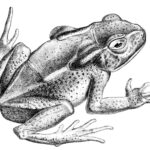
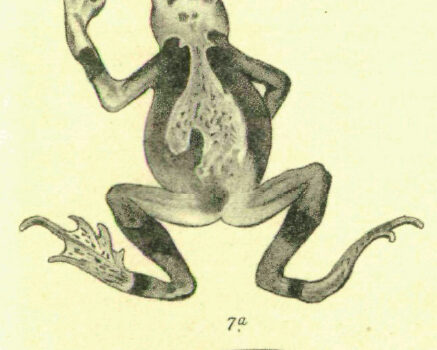
Perret’s Toad boasts distinctive morphological features shaped by evolutionary pressures within its sheltered habitats. Adults typically measure approximately 5–7 centimeters—modest in size yet perfectly adapted to life among the dense foliage and shaded forest floors.
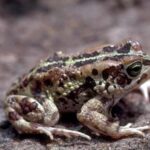
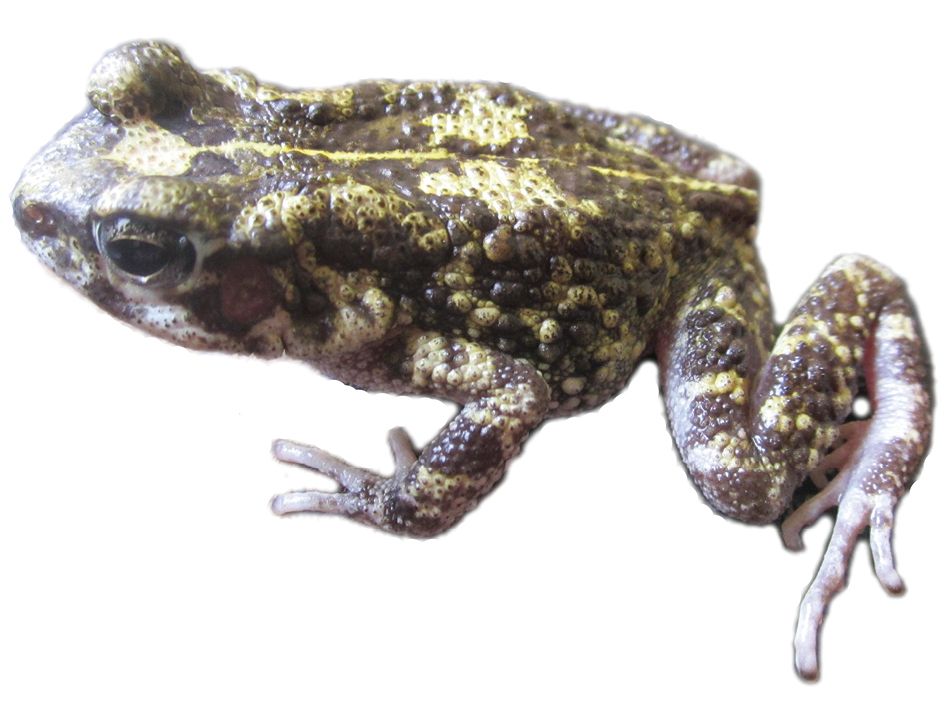
Coloration varies subtly among individuals, generally ranging from shades of olive, mottled brown, and dark beige hues interspersed with unique darker markings. These spot patterns are critical for camouflage, blending seamlessly into damp leaf litter and forest detritus—their primary habitats.
Their textured skin is dotted with prominent glands, characteristic of the Bufonids, producing mild toxins essential for defense against predators. Further distinctive features include the prominent cranial crests and glands behind the eyes—the parotoid glands—which secrete these defensive chemicals, effectively deterring many potential predators from even attempting a taste.
The extent and effectiveness of camouflage are evidenced in observations where warm sunlight filters down through dense canopy leaves, momentarily illuminating segments of the forest floor, and yet these elusive toads remain remarkably difficult to spot—even by trained eyes.
Behavior and Life Cycle#
Nocturnal Foragers of the Forest Floor#
Sclerophrys perreti is predominantly nocturnal, emerging from daytime shelters to forage under the cover of night. Equipped with excellent low-light vision and acute sensitivity to vibrations and sounds, they locate insects, spiders, worms, and other arthropods with surprising efficiency. Their diet choice positions them crucially in controlling insect populations, which in turn supports forest ecosystem stability.
The Ritual of Mating and Breeding#
Mating seasons coincide with rainfall peaks, filling nearby puddles and streams to create ideal conditions for egg deposition and tadpole development. Male toads congregate in temporary water bodies, where they produce soft yet distinctive mating calls—low, trilling notes rhythmic and hypnotic—echoing softly through nocturnal forests. Females are attracted to these calls, resulting in complex mating rituals culminating in paired amplexus.
Females lay hundreds to thousands of eggs, small gelatinous clusters securely hidden among submerged vegetation and leaf litter. Tiny black tadpoles hatch within days, often aggregating in groups. This aggregation strategy offers protection against predation, allowing more individuals to survive to adulthood and disperse into neighboring territories.
Ecological Roles of Perret’s Toad#
The Forest’s Gentle Predator#
As voracious insectivores, Perret’s Toad significantly influences insect populations, indirectly aiding plant health within these rainforest habitats. They efficiently control pest species populations, promoting ecological resilience and plant diversity within their ecosystems.
Indicators of Ecosystem Health#
Amphibians, particularly species like Sclerophrys perreti, are often sensitive indicators of ecosystem health. Their permeable skin and aquatic life stages make them particularly vulnerable to pollution, habitat degradation, and changes in water quality. If Perret’s Toad populations decline, scientists inevitably look closely at wider environmental factors in the region.
Threats and Conservation Status#
Fragmentation and Habitat Loss#
Today, the greatest threat facing Sclerophrys perreti is ongoing habitat destruction, fueled by agricultural expansion, logging, and urbanization. Fragmentation of their habitat leaves isolated populations vulnerable, obstructing genetic exchange and amplifying the risk of extinction. Moreover, climate change—altering rainfall patterns and microclimates—presents a looming, insidious threat.
Current Status and Conservation Efforts#
The International Union for Conservation of Nature (IUCN) currently lists Sclerophrys perreti as “Data Deficient,” highlighting the urgent need for more in-depth research and monitoring to understand existing population conditions accurately. Conservationists are urging increased research efforts, habitat protection legislation, and developing community-based ecological restoration programs.
Cultural and Scientific Significance#
Within central African cultures, toads generally hold symbolic meanings—sometimes emblematic of fertility, rain, transformation, or even associated medicinal purposes. Although explicit local traditions involving Perret’s Toad specifically have not been extensively documented, amphibians routinely contribute significantly to cultural understanding and traditional storytelling.
Scientifically, species such as Sclerophrys perreti help researchers grasp evolutionary paths among amphibians. Moreover, investigation into their subtle skin toxins and unique biology might uncover medical insights, much like other amphibian species have provided toxins helping to develop painkillers or novel treatments.
Conclusion: A Call for Stewardship and Discovery#
Perret’s Toad represents just one remarkable strand among countless intricate stories woven into the grand narrative of tropical ecosystems. To appreciate their hidden existence is to appreciate the delicacy and wonder that underlie the forest floors they occupy.
As a guardians of nature, understanding and contributing to the conservation narrative of Sclerophrys perreti is imperative. By protecting their habitat, advocating conservation awareness, and contributing to biodiversity research, we affirm the essential connections binding all life. Let us stand together for this often-overlooked amphibian, ensuring the perpetuation of our planet’s vibrant biodiversity heritage for future generations.