- Sclerophrys garmani: The Enigmatic World of Garman's Toad
- Taxonomy and Classification
- Natural Habitat: A Mosaic of Terrains
- The Physical Form: Mastery in Camouflage and Adaptation
- Behavior and Life Cycle: From Egg to Amphibian Adventure
- Ecological Influence and Significance
- Threats and Conservation: Rising to the Challenge
- Cultural and Scientific Footprints
- Conclusion: Appreciating the Unique Charm of Garman's Toad
Sclerophrys garmani: The Enigmatic World of Garman’s Toad#
Among the lush vegetation and gentle creek beds of sub-Saharan Africa’s pristine forests and savannas, emerges a humble yet wonderfully resilient amphibian known as Sclerophrys garmani, commonly called Garman’s toad. Named in honor of renowned American herpetologist Samuel Garman, this distinctive toad gracefully persists in its environments, often unnoticed but deeply woven into the ecological tapestry.
At first glance, Garman’s toad appears rather ordinary. But beneath its unassuming exterior lies a narrative abundant with survival strategies, ecological significance, and a remarkable resilience to environmental challenges. Traversing richly humid forests and open savanna landscapes, this amphibian represents not only an essential ecological component but also an intriguing subject for amphibian enthusiasts and conservationists alike.
Taxonomy and Classification#
Sclerophrys garmani belongs to the Bufonidae family—the true toads—which includes familiar species across the globe. Initially classified under the genus Bufo, research utilizing genetic methodologies has since reclassified it within the genus Sclerophrys. This genus comprises numerous African toad species characterized by their robust build, rough skin, and highly adaptive survival strategies.
The fascination within Bufonidae lies in its remarkable anatomical and behavioral diversity. Closely related species include Sclerophrys regularis (African common toad) and Sclerophrys gutturalis (guttural toad), each with unique adaptations suited for different microhabitats and ecological niches throughout the African continent. In this vibrant mosaic, Garman’s toad occupies a unique evolutionary position, allowing researchers to better understand the biogeographical and ecological transitions that shaped amphibian diversity across Africa.
Natural Habitat: A Mosaic of Terrains#
Sclerophrys garmani flourishes predominantly in lowland regions across eastern and southern Africa. Its geographical distribution spans countries like Kenya, Somalia, Tanzania, Mozambique, Malawi, Zambia, Zimbabwe, South Africa, and Eswatini, creating a rich tapestry of ecosystems ranging from savanna grasslands to montane forests and humid woodlands.
An Amphibian Made for Moisture#
While adaptable, Garman’s toads thrive most vibrantly in semi-disturbed habitats, often near sources of water such as ponds, rivers, temporary wetlands, agricultural ditches, and even suburban gardens. After rainfall events, especially during the rainy season, their nocturnal chorus resonates through forests and woodlands, signaling their active breeding season and captivating the attentive ear of naturalists and local residents alike.
In forests, especially those with richly vegetated leaf litter, these toads expertly camouflage among damp moss, fallen logs, and decomposing foliage. They’re masterfully adapted survivors, avoiding predation unseen and unleashing their explosive leaps should danger arise. Their adaptable nature also allows them to colonize human-altered environments such as farmland peri-urban gardens, underscoring their flexibility amid changing landscapes.
The Physical Form: Mastery in Camouflage and Adaptation#
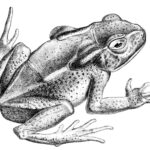
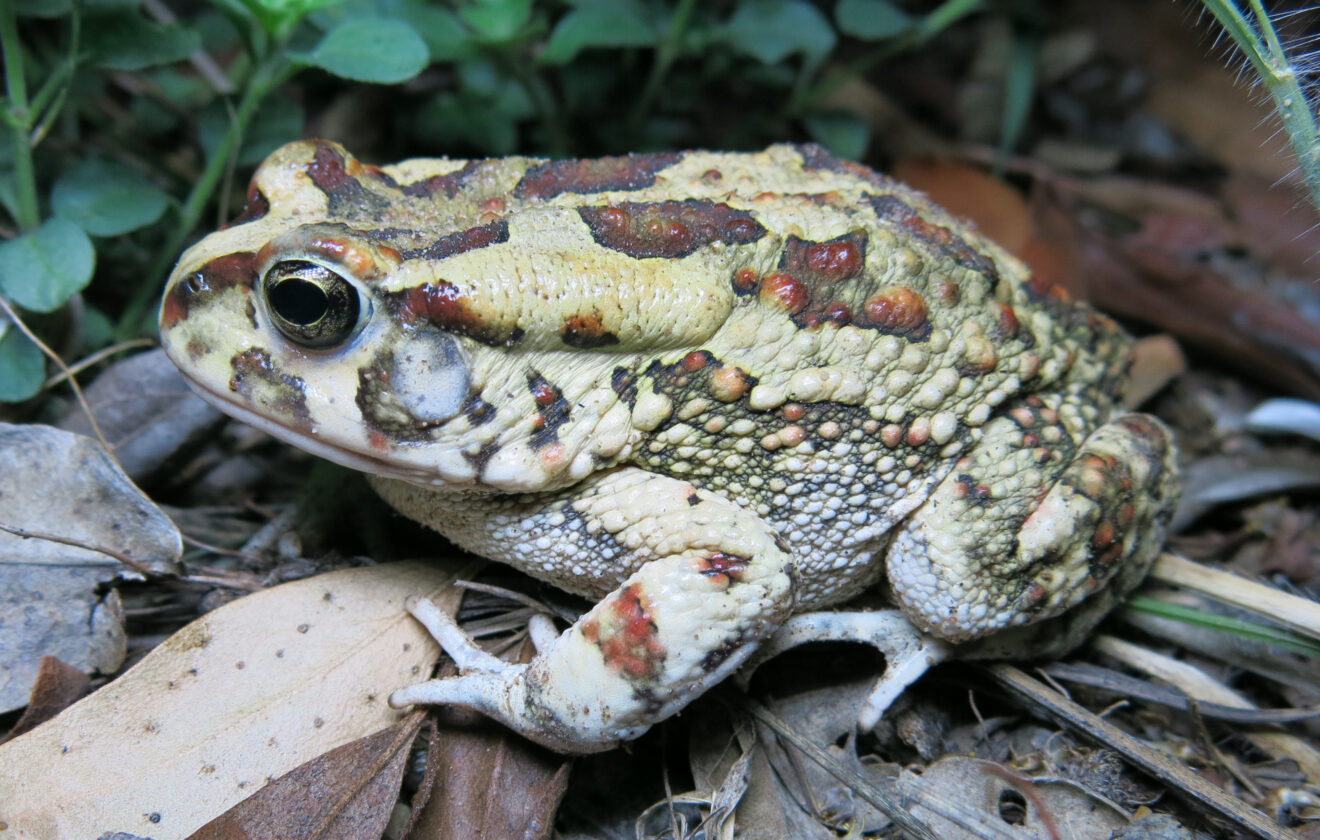
Observing Sclerophrys garmani closely reveals an animal meticulously shaped by its environment. Adults range in size from approximately 5 to 10 centimeters, making them medium-sized among true toads in Africa. Their robust, stocky bodies, coupled with relatively short but powerfully muscular hind limbs, empower them with explosive leaping capabilities—an essential trait to evade predators swiftly.
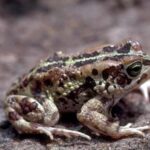
Texture and coloration vary subtly among individuals, ranging from earthy shades of olive-green, gray, brown, to occasionally reddish tones, all expertly crafted by evolutionary pressures to enhance cryptic camouflage within leaf litter and marshy ground cover. Numerous rounded warts dot their dorsal surfaces, secreting mildly toxic skin secretions that deter predators—a chemical defense strategy shared by many bufonoid toads.
Eyes are prominent, gold or amber in color, always alertly scanning their environment. Mouths are broad and responsive, facilitating rapid predation when hunting invertebrate prey. Despite their otherwise ordinary appearance, these toads’ unique morphological nuances provide critical survival advantages within their ecosystem niches.
Behavior and Life Cycle: From Egg to Amphibian Adventure#
Lurking in nocturnal shadows beneath foliage, Sclerophrys garmani emerges after sunset to avail itself of abundant insects and invertebrates. Beetles, ants, termites, worms, spiders, and various insect larvae constitute their diverse diet, positioning themselves as efficient biological pest controllers within both forests and agricultural areas.
Voices in the Dark: Breeding Behavior#
When seasonal rains refresh their habitat, male Garman’s toads produce resonating calls, a deep, rhythmic trill filling their territories through the night air, drawing females from nearby concealment. Males vie determinedly for prime pools and shallow waters essential for breeding, often returning year after year to the same sites—a testament to their impressive navigational memory and territorial fidelity.
Females deposit long strands of gelatinous eggs directly into water bodies where males fertilize them externally. Embryos hatch into lively tadpoles in as little as one week, beginning their aquatic journey in serene freshwater habitats. These tadpoles are opportunistic grazers, consuming microscopic algae, detritus, and biofilm—gradually metamorphosing over several weeks into tiny replicas of adult toads, ready to transition into terrestrial ecosystems.
A Well-Adapted Survivor#
In the unpredictable subtropical climates where habitats fluctuate between wet abundance and prolonged drought, the life cycle of Sclerophrys garmani aligns perfectly with the rhythms of nature, strategically timed with seasonal rainfall. Adults estivate underground during driest times, conserving body moisture until rains restore vitality and food availability, showcasing their remarkable physiological adaptability to seasonal changing conditions.
Ecological Influence and Significance#
In their diverse habitats, these toads sit centrally within trophic interactions. Their involvement in insect control directly benefits agricultural communities by reducing potential crop pests. Predators such as snakes, birds, small carnivores, and larger amphibians rely on Garman’s toads as nutritious prey, creating a delicately balanced ecosystem wherein their presence acts as indicators of ecological health.
Their sensitivity to pollutants and habitat alterations makes them invaluable bioindicators. When their populations fluctuate unexpectedly, it signals changes in water quality or ecosystem health, magnifying their value to conservation biologists working toward informed habitat restoration and conservation measures.
Threats and Conservation: Rising to the Challenge#
Human population growth and rapid environmental changes pose increasingly significant challenges for amphibians worldwide, and Garman’s toad is not immune. Habitat fragmentation due to agriculture, widespread pesticide usage, urban expansion, climate variation leading to altered rainfall patterns, and infections by pathogens such as chytrid fungus are all tangible threats.
Fortunately, the International Union for Conservation of Nature (IUCN) currently categorizes Sclerophrys garmani as Least Concern due to its wide range and population stability. However, careful local-scale monitoring and conservation intervention remain essential, especially given potential climate-driven threats and sudden disease pathogens that have severely affected other amphibian populations globally.
Cultural and Scientific Footprints#
While not widely symbolic in traditional folklore specifically, amphibians, including true toads, often feature in African narratives as emissaries, healing elements, and creators of rain. Modern scientific research perspectives recognize them as essential ecological components aiding conservation planning and ecological education.
Conclusion: Appreciating the Unique Charm of Garman’s Toad#
The life story of Sclerophrys garmani exemplifies nature’s quiet ingenuity. From breeding choruses illuminating rainy nights to their ecological role as vital pest controllers and prey species, this modest toad symbolizes resilience amid environmental uncertainties. As we deepen our understanding of nature’s intricacies, we are reminded once more of the profound interconnectedness of all life forms. For Sclerophrys garmani, continued vigilance, responsible habitat stewardship, and educational awareness ensure not just survival but thriving coexistence.
Inspired by their resilience? Consider supporting amphibian conservation actions within your community, contributing to ongoing natural habitats preservation efforts, or simply drawing awareness to the diverse beauty our natural world generously offers.