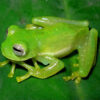
- Sclerophrys chudeaui: Exploring the Life of a Remarkable African Amphibian
- Taxonomy and Classification
- Natural Habitat: The Unique Landscapes of West Africa
- Physical Characteristics: Small Wonders of Adaptation
- Behavior and Life Cycle: A Harmony with the Seasons
- Ecological Role: A Vital Link in the Environment
- Threats and Conservation Status: Urgency for Action
- Cultural and Scientific Significance
- Conclusion: Celebrating and Conserving Sclerophrys chudeaui
Sclerophrys chudeaui: Exploring the Life of a Remarkable African Amphibian#
In the heart of Africa’s diverse landscapes—where savannahs blend into lush wetlands and rivers carve intricate pathways through the earth—lives an often-overlooked resident whose story deserves telling. Known scientifically as Sclerophrys chudeaui, this distinctively fascinating amphibian quietly lives its life beneath the radar of even dedicated wildlife enthusiasts.
At first glance, Sclerophrys chudeaui may seem like just another humble frog quietly hopping among the rocks, grasses, and mud of its native lands. However, this amphibian carries intriguing ecological lessons, unique behaviors, and hidden beauty beneath its subtly adorned skin. By peering into the watery habitats and savannah fringes of this mysterious creature, we embark on a journey that blends science, wonder, and urgency, as its survival echoes larger tales of conservation and biodiversity preservation.
Taxonomy and Classification#
Sclerophrys chudeaui occupies an important place within the rich mosaic of African amphibians. Scientifically classified within the Bufonidae family—commonly known as true toads—this species sits comfortably in the genus Sclerophrys, alongside multiple similarly fascinating cousins. Previously, this toad was known under various taxonomic revisions, shifting through names and classifications before landing definitively within the established genus.
The genus Sclerophrys, embracing numerous African toad species, provides insight into the incredible evolutionary adaptability that amphibians showcase. Closely related to the more familiar species such as Sclerophrys regularis (the African common toad), Sclerophrys chudeaui itself stands apart due to nuanced behaviors, adaptations, and its geographic range.
Natural Habitat: The Unique Landscapes of West Africa#
A native resident of West Africa, specifically recorded in Mali, Mauritania, Niger, and possibly extending into surrounding areas, Sclerophrys chudeaui inhabits dry savannahs, semi-arid regions, rocky outcrops, and intermittent freshwater pools. This remarkable creature has adapted to the challenges posed by the fluctuating rhythms of seasonal rains and prolonged dry spells characteristic of its homeland.
Diverse Terrain and Resilient Habitats#
In the semi-arid landscapes, where drought and heat dominate large parts of the year, Sclerophrys chudeaui finds refuge and sustenance near seasonal water bodies, temporary pools formed by sporadic but intense African rains. These ephemeral pools become thriving communities, harboring not just the eggs and offspring of amphibians but also providing breeding grounds for insects and food sources for wading birds and small mammals.
Within these transient environments, the presence of water signifies life, fertility, and survival. As the rains fill shallow depressions and rocky hollows, the toads congregate, engaging in vibrant mating choruses, displaying adaptability and resilience—a dance synchronized harmoniously with nature’s unpredictable tempo.
Physical Characteristics: Small Wonders of Adaptation#
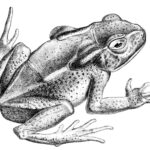
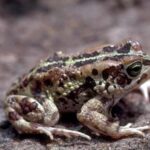
The first encounter with a Sclerophrys chudeaui reveals a humble yet fascinating creature. Characteristically compact, adult toads typically measure between 4 to 6 centimeters in length, with females generally larger than the males. The body is robust, with delicate wart-like glands dotting its often earth-tone skin, ranging from sandy browns and greens to dull reddish hues, reflecting the colors of its dry savannah home—a superb evolutionary strategy for camouflage.
Eyes large and observant, set prominently atop their heads, give them an evolutionary advantage in their vigilant quest for predators and prey. These vigilant sentinels also hold captivating stories when observed closely: the golden-black coloration of their iris subtly shifts, beautifully reflecting sunlight in a quiet display.
Survival Adaptations#
Beneath their seemingly modest appearance, each physical trait of Sclerophrys chudeaui plays a crucial role in survival. Their wart-covered skin secretes toxins mildly defensive against predators, deterring many would-be attackers through taste and touch. Long, muscular hind legs enable remarkable bursts of speed and agile leaps, allowing quick escapes from danger or sudden lunges towards unsuspecting prey.
Behavior and Life Cycle: A Harmony with the Seasons#
The life of Sclerophrys chudeaui centers around seasonal rain patterns, which dictate feeding routines and breeding opportunities. As rains replenish temporary freshwater pools, the toads gather, adapting their life cycles cleverly to the rhythms set by nature. Breeding typically coincides with the swelling leaves and moisture-laden clay soils; the males begin distinctive calling choruses to attract females.
Feeding Habits and Prey Selection#
Primarily nocturnal hunters, Sclerophrys chudeaui feast upon insects, spiders, and small invertebrates. Using remarkable patience, sharp eyesight, quick reflexes, and an agile tongue mechanism, they efficiently feast upon their prey—tiny architects of a complex ecological food web. Predation helps control insect populations, playing a beneficial ecological role for agriculture and human settlements, which benefit indirectly from their hunting habits.
Breeding and Tadpole Development#
Following mating choruses echoing through dusk and dawn, females lay clutches of hundreds of gelatinous eggs in temporary water bodies. Tadpoles emerge shortly, rapidly developing and adapting to the challenges of finite aquatic resources. These tadpoles must metamorphose quickly, evolving rudimentary legs, reducing tails, and shifting from aquatic herbivores to terrestrial carnivores—a profound ecological transformation occurring within mere weeks.
Ecological Role: A Vital Link in the Environment#
Within the West African ecosystem, Sclerophrys chudeaui fulfills essential ecological roles. As both predator and prey, it sits comfortably at the heart of complex food webs. The toad’s insectivorous habits naturally limit pest populations, offering free pest control services beneficial to farmers and ecosystems broadly. Simultaneously, as prey to larger predators—birds, snakes, and mammals—they contribute to the food supply that sustains larger native species.
This amphibian also serves as an essential bioindicator species, their presence and health reflecting the broader environmental condition. Sudden declines or die-offs of frog populations alert biologists to potential ecological threats, pollution incidents, or harmful climatic shifts.
Threats and Conservation Status: Urgency for Action#
Despite its adaptability, Sclerophrys chudeaui is increasingly facing threats common to African amphibians. Habitat loss remains one of the greatest challenges, as human settlements, agriculture expansion, livestock grazing, and infrastructure developments drain rivers or destroy seasonal pools vital for their survival and reproduction.
Climate Change and Habitat Fragmentation#
Climate uncertainties further compound habitat threats; erratic weather patterns, intensified droughts, and altered rainfall cycles disrupt the natural breeding and feeding rhythms crucial to this amphibian’s lifecycle. These cascading effects of climate instability amplify the necessity for concerted conservation efforts and insightful ecological management policies across its range.
Current Conservation Status#
Currently classified by the IUCN as a species of “Least Concern,” research gaps remain significant, requiring more comprehensive surveys and ecological research. Continued monitoring could help identify potential threats early, enabling preemptive conservation strategies before the species becomes critically imperiled.
Cultural and Scientific Significance#
Beyond mere ecological roles, frogs and toads like Sclerophrys chudeaui are pivotal culturally. West African traditions hold amphibians symbolically, weaving them into folktales as beings signifying fertility, renewal, transformation, and environmental health.
Scientifically, amphibians such as Sclerophrys chudeaui are at the forefront of biomedical research, providing insights into ecological toxins and skin secretions potentially helpful in medicine. Their specialized adaptations and sensitivity to environmental changes also make them valuable climate-change indicator species.
Conclusion: Celebrating and Conserving Sclerophrys chudeaui#
In the humble yet extraordinary life story of Sclerophrys chudeaui, we find a quiet ambassador for conservation and biodiversity. From its subtle appearance to its remarkable adaptability, every aspect of its life cycle illustrates nature’s resilience and interconnectedness.
As nature enthusiasts and conservation advocates, our awareness and stewardship are crucial in protecting vulnerable species and fundamental ecosystems. Let us be inspired by this African amphibian’s story, understanding that safeguarding even the smallest creatures ultimately protects the health and harmony of our shared planet.