- Sclerophrys channingi: Unveiling the Secret Life of Channing's Forest Toad
- Taxonomy and Classification
- Natural Habitat: Life Beneath the Canopy
- Physical Characteristics and Adaptations
- Behavior and Life Cycle: Fascinating Forest Dramas
- An Ecological Keystone: Roles Within Delicate Webs
- Threats and Conservation Status
- Cultural and Scientific Significance
- Conclusion: Advocating a Future for Channing’s Forest Toad
Sclerophrys channingi: Unveiling the Secret Life of Channing’s Forest Toad#
Deep within the diverse ecosystems of Eastern Africa exists a frog whose life unfolds quietly beneath towering-canopied forests and lush underbrush. With a name as intriguing as its secretive habits, Sclerophrys channingi, known commonly as Channing’s Forest Toad, offers a fascinating glance into amphibian biodiversity. A master of survival, adaptable behaviors, and endlessly fascinating biology, this species has captivated researchers, wildlife enthusiasts, and conservationists alike.
But who exactly is Channing’s Forest Toad, and why should this unassuming creature in a hidden world capture your attention? Join us as we delve deep beneath the leaf litter, exploring the mesmerizing world of Sclerophrys channingi—its hidden habitats, remarkable adaptations, and the threats it faces in our rapidly changing world.
Taxonomy and Classification#
To fully appreciate the story of Channing’s Forest Toad, it’s essential to start with its lineage. Scientifically classified within the Bufonidae family—a rich group commonly recognized as the true toads—Sclerophrys channingi highlights both traditional amphibian traits and fascinating evolutionary adaptations. The genus Sclerophrys encompasses a variety of robust, terrestrial species once grouped in the former mega-genus Bufo. The reclassification reflected recent advances in genetic sequencing and molecular biology, offering a clearer evolutionary roadmap for understanding these amphibians’ familial connections.
Named in honor of renowned herpetologist Alan Channing, whose lifelong contributions have greatly expanded our understanding of African amphibians, Sclerophrys channingi ensures this scientist’s legacy lives on in the herpetological community.
Natural Habitat: Life Beneath the Canopy#
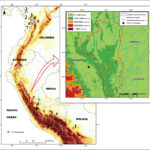
Tucked away primarily in the montane and sub-montane forests of East Africa, particularly in Tanzania, northern Malawi, Zambia, and parts of southern Kenya, Sclerophrys channingi thrives silently in dense woodlands filled with damp leaf litter, moss-covered logs, and gentle forest streams. Here, under the protective arms of towering trees and sprawling ferns, the toad’s cryptic coloration blends seamlessly with the dappled forest floor.
Preferred Microhabitats#
While other amphibians may frequently climb shrubs or utilize waterways, Channing’s Forest Toad remains predominantly terrestrial, relying on the cool, moist leaf litter and shady forest floor niches for survival. Fallen logs and debris not only shelter the toads from predators and extremes of temperature and humidity, but also offer ideal hunting spots for their prey.
As twilight blankets the forest with soft hues and nocturnal sounds resonate through the darkness, Sclerophrys channingi ventures out, choosing sheltered clearings and hidden pockets of moisture where insect activity spikes at dusk. This microhabitat specialization makes them especially sensitive to forest disturbances and habitat fragmentation, highlighting the delicate balance of their ecosystem.
Physical Characteristics and Adaptations#
At first glance, Channing’s Forest Toad might seem decidedly unflashy compared to some brightly colored rainforest amphibians. Yet, upon closer inspection, this rugged amphibian offers a study in subtle adaptation and beauty within the context of survival-driven evolution.
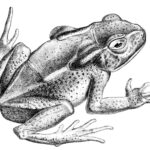
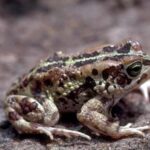
Adult specimens typically measure between 45 to 65 millimeters in length. Its sturdy, squat body rests confidently atop short but powerful limbs equipped for hopping across the leaf litter with a graceful economy of motion. The dry, rough skin—typical of most “true toads”—creates a distinctive visual texture punctuated by irregular blotches of earthy tones ranging from olive-brown to gray and russet. This coloration closely mirrors the wet, decomposing leaf litter and gnarled, mossy trunks where the toads reside, providing critically functional camouflage.
Speaker of the Forest: Vocal Sacs and Calls#
Males possess pronounced vocal sacs, swelling impressively during the breeding season as they craft persistent, melodic calls to attract mates. The call is characteristically resonant, a series of slow, rhythmic chirps echoing softly from the forest floor, audible enough to be heard by distant females but gentle enough to camouflage within the background sounds of their forest homes.
Beyond camouflage and calling—two essential adaptations—this species typically exhibits non-aggressive behavior. However, when threatened, it demonstrates extraordinary resilience, inflating its body to appear larger, secreting toxins from parotoid glands positioned behind the head to deter would-be predators such as snakes or birds. This combination of camouflage, toxicity, and cautious nocturnal activity underscores a remarkable trio of strategies for survival in a competitive ecosystem.
Behavior and Life Cycle: Fascinating Forest Dramas#
At sunset, when fading daylight turns to twilight, Channing’s Forest Toad emerges from hiding, hunting its preferred diet of forest insects, spiders, and terrestrial larvae. An exceptional ambush predator, it remains perfectly still, blending seamlessly into the leaf litter. A sudden jerk and flick of a sticky tongue, and the meal is swiftly captured.
Mating and Reproductive Rituals#
While nocturnal hunts sustain its solitary lifestyle, reproductive rituals provide communal gatherings in moist, still waters or temporary puddles that appear after rains—the perfect nursery for tadpoles. Breeding season, signaled by rainfall and slightly elevated temperatures, stimulates male toads to gather around shallow forest pools, chorusing gently yet persistently to attract females. Successful singing earns males the opportunity for amplexus—the characteristic mating embrace of frogs and toads.
Female Channing’s Forest Toads deposit strings of eggs that soon hatch into small, aquatic, plant-eating tadpoles. Over several weeks, these tadpoles undergo dramatic metamorphosis into tiny terrestrial juveniles no larger than fingernails, ready for the challenges awaiting them on the forest floor.
An Ecological Keystone: Roles Within Delicate Webs#
Although unassuming, the ecological significance of Sclerophrys channingi cannot be underestimated. As nocturnal insect predators, these toads contribute significantly to controlling pest insect populations, indirectly benefiting plant health and ecosystem balance. As prey, they form a key nutritional link for altitudinal forest predators, including various birds, snakes, mammals, and even larger amphibians.
Yet arguably their greatest critical role lies in their sensitivity as environmental indicators. Amphibians—particularly forest specialists like Channing’s Forest Toad—readily reflect environmental changes: habitat quality deterioration, climate shifts, and pollution levels. Their health and population trends offer vital signals regarding wider ecosystem stresses, making species like Sclerophrys channingi valuable barometers for forest conservation.
Threats and Conservation Status#
Despite this inherent ecological importance, Channing’s Forest Toad faces troubling declines associated with habitat degradation. While currently listed as Least Concern on the IUCN Red List, indications of shrinking habitat, climate variability, and continued forest clearance present longer-term threats that warrant attention.
Human-driven Factors and Climate Impact#
Deforestation, primarily driven by agricultural expansion and charcoal production, shrinks suitable habitats and fragments forests into scattered, isolated patches. Climate change further exacerbates this pressure, altering rainfall patterns critical for breeding success. Increased pollution from farming activities intrudes upon sensitive amphibian skins and breeding grounds, exposing toads to toxic substances.
Conservation Measures#
Understanding and mitigating these threats depend crucially upon local community engagement, habitat preservation, and continued scientific research monitoring population health and distribution. Efforts working collaboratively with local communities to protect forests, support responsible agricultural practices, and advocate wetland conservation can overwhelmingly benefit amphibians and overall biodiversity.
Cultural and Scientific Significance#
Beyond ecology, Channing’s Forest Toad holds an irreplaceable scientific and cultural role. For scientists, it provides insight into amphibian evolutionary paths, biochemistry (especially of toxins), and disease dynamics. Botanists, ecologists, and climatologists equally rely on species like these to gauge forest health.
Culturally, amphibians can hold symbolic meanings for indigenous Eastern African communities, often seen as messengers or representatives of environmental harmony. Awareness and appreciation for such connections encourage local conservation participation, cultivating grassroots support for ecological protection.
Conclusion: Advocating a Future for Channing’s Forest Toad#
Sclerophrys channingi stands as a humble but profoundly significant representative of Eastern Africa’s rich amphibian biodiversity. Our understanding, appreciation, and action can secure its future and the intricate ecosystems it calls home.
Let this be our clarion call to advocate for habitat conservation, further research, and sustainable practices, ensuring that beneath the tranquil forest canopies, the gentle chorus of Channing’s Forest Toad will continue to resonate, enriching our environment for generations yet to come.