Sclerophrys capensis: Unveiling the Enigmatic Life of the Cape Toad#
Beneath the tranquil moonlight of the southern African night, a quiet rustle stirs beneath the leaf litter. Damp earth, fresh with droplets from evening rains, becomes a stage upon which the nocturnal drama unfolds. Meet Sclerophrys capensis—the resilient, unassuming, yet fascinating Cape Toad.
At first glance, this modest amphibian might fail to captivate—small stature, earthy coloration, and an unassuming disposition hardly scream “charismatic species.” Yet, beneath its modest guise lies a remarkable adaptation to the shifting ecosystems of southern Africa, making this species a vital player in its habitat’s symphony and a treasure trove for scientific learning.
Taxonomy and Classification#
The scientific odyssey of Sclerophrys capensis begins with its place in the vast tapestry of biological classification. Previously classified within the wide-ranging genus Bufo, molecular and morphological studies in recent decades led herpetologists to refine its classification, assigning the species to the genus Sclerophrys.
This species falls within the Bufonidae family, colloquially known as the “true toads,” a group recognized for their robust bodies, pronounced glands, and dry, warty skins—characteristics that set them apart effortlessly from their sleek frog cousins. Its closest relatives within southern Africa include species like Sclerophrys gutturalis and Sclerophrys garmani, neighbors sharing similar traits yet distinct in ecological preferences and behaviors.
Natural Habitat#
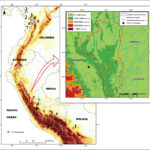
Stretching from Namibia’s arid deserts through South Africa’s lush valleys and reaching eastward into Mozambique, the range of Sclerophrys capensis reflects its remarkable habitat versatility. True masters of adaptation, Cape Toads thrive in diverse environments—coastal plains, savannas, fynbos shrublands, and even suburban gardens or farmlands where humans have unwittingly extended invitations.
These adaptable toads possess a special affinity for the gentle interplay of moisture and shelter offered by their habitats. Damp crevices under stones, dense vegetation patches, and shaded burrows provide refuge during daylight hours, sheltering them from dehydration and predation. Preferring a temperate climate, they often seek out permanent or temporary water bodies during breeding seasons, confirming these quiet bodies of water as vital arteries of life in their ecological network.
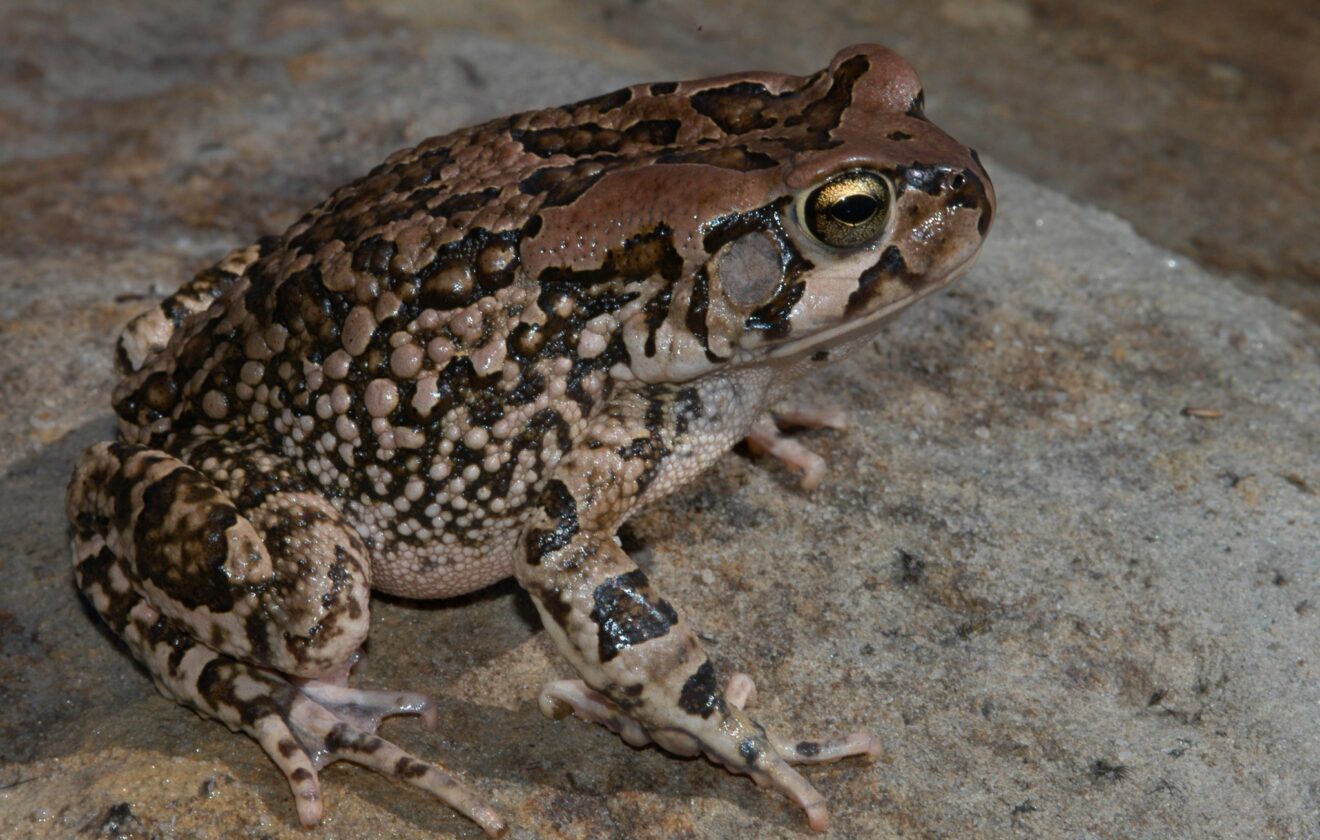
Their cryptic coloration—the browns, grays, and muted greens blended seamlessly with the soil, foliage, and rocks—bestows them with a stealthy invisibility, an indispensable survival mechanic against predators that continually scan their terrains.
Physical Characteristics#
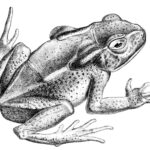
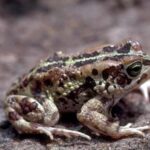
The Cape Toad’s form might not incite immediate awe, yet close observation reveals a sophisticated beauty etched by millions of years of evolution. Adult individuals typically measure between 50 and 100 millimeters, with females usually larger than their male counterparts, a common trait in amphibians reflecting reproductive demands.
The outer skin is rugged, covered in tiny, irregular warts—a textbook trait of the Bufonidae family. Beneath these warty elevations lie special glands, called parotoid glands, positioned directly behind the eyes. These glands secrete mild toxins, deterring potential predators brave enough to taste this seemingly defenseless prey. Though not deadly to humans, these secretions elicit an unpleasant experience for curious animals, teaching a firm survival lesson.
The eyes of Sclerophrys capensis, beautifully evolved, grant impeccable nighttime vision. Golden-hued irises encircle enlarged pupils, opening wide in the dim moonlight to survey surroundings for prey, predators, or prospective mates.
Behavior and Life Cycle#
Feeding Habits and Hunting Techniques#
Nightfall signals the onset of activity for the Cape Toad. Emerging cautiously from daytime shelters, they actively hunt a variety of insects and small invertebrates, with diets comprising beetles, moths, crickets, and even small spiders. Their hunting strategy relies on stealth and subtlety rather than swift pursuit: an immobile stance punctuated by lightning-fast tongue movements when prey enters reach.
This sedentary predatory style helps conserve crucial hydration and energy—an invaluable skill for a species often inhabiting environment extremes ranging from near-arid to seasonally humid regions.
Reproduction: Mating Rituals and Tadpole Development#
With seasonal rains comes the onset of amorous activity. Driven by instinctual urgency, males congregate around ephemeral pools and ponds, croaking melodically into the night air—a resonant chorus that drifts through the dusk. These vocalizations serve as both a competitive warning to rivals and a siren-call for nearby females, accentuating reproductive success.
Following intricate courtship rituals, females lay jelly-coated strings containing thousands of tiny black eggs, anchoring them strategically amid aquatic vegetation. The protective embrace of water initiates the embryonic transformation. Within mere days, these eggs hatch into swarms of wriggling tadpoles—vulnerable yet resilient aquatic larvae set on a mission of swift growth and adaptation to evade predators.
Weeks later, after persistent feeding and development, metamorphosis transpires—a phenomenon witnessed countless times over millennia, yet eternally magical. Legs emerge, tails recede, and lungs develop, preparing these miniature toads for terrestrial life. Atlas, transformed juvenile toads cautiously exit aquatic nurseries, embarking upon terrestrial lives echoing parental survival strategies.
Ecological Role#
While modest in stature, Sclerophrys capensis holds significant ecological weight. Acting both as predator and prey enables the species to strengthen intricate ecological webs spanning multiple kingdoms of life. By preying voraciously upon troublesome insects, they responsibly maintain balance, regulating pest populations naturally, indirectly benefiting agriculture and human communities in peripheral regions.
Simultaneously, the Cape Toad forms prey for birds, small mammals, snakes, and other larger amphibians in these habitats. Their widespread presence signals ecosystem health—scientists frequently regard many amphibians, including Sclerophrys capensis, as biological indicators, responsive to environmental changes that might otherwise remain hidden.
Threats and Conservation Status#
Despite being widespread and relatively common across its range, Sclerophrys capensis isn’t immune to human-induced threats. Habitat loss through urban expansion, intensive agricultural practices, and infrastructure development gradually chip away at secure havens these toads rely upon. Pollution of waterways with agrochemicals also becomes increasingly problematic, contaminating delicate breeding sites and threatening embryonic or larval viability.
As climate patterns shift, altering rainfall frequencies and distributions across Southern Africa, subtle yet cumulative threats emerge. Proper monitoring and protection of diverse habitats thus gain paramount importance, even for species not yet listed as threatened—current IUCN (International Union for Conservation of Nature) assessments categorize the species as Least Concern, though vigilant observation remains essential.
Thankfully, various localized conservation initiatives continue advocating habitat protection, raising public awareness of amphibian-friendly landscaping practices, and monitoring population trends through citizen science programs—strategic moves combining ecological preservation with educational outreach.
Cultural and Scientific Significance#
Tradition and folklore across southern Africa frequently incorporate amphibians such as Sclerophrys capensis. In some communities, the sudden appearance of toads following seasonal rains symbolizes renewal, fertility, and prosperity, lending deeper cultural significances that transcend pure biological relevance.
From a scientific perspective, researchers increasingly value amphibians in fields ranging from medical pharmacology—where their toxins inspire potential new medical breakthroughs—to climate science where impacts of changing moisture regimes might be closely measured through amphibious observations. Sclerophrys capensis thus contributes silently yet profoundly to ongoing efforts to unravel biodiversity potentials and ecological resilience.
Conclusion#
Sclerophrys capensis, the gentle survivor and resilient inhabitant of southern Africa’s rich ecological canvas, quietly reminds us each evening of intricate webs connecting all living organisms. By understanding and respecting this modest species, we nurture not only biodiversity but a broader relationship with nature’s silent stewards. As night descends once more, let us honor the humble Cape Toad with attentive appreciation and determined conservation resolve, faithfully preserving these enigmatic amphibians and their invaluable roles for generations yet unborn.