- Sclerophrys asmarae: The Enigmatic Toad of the Eritrean Highlands
- Taxonomy and Classification
- Natural Habitat: Life in the Eritrean Highlands
- Physical Characteristics: Beauty in Adaptation
- Behavior and Life Cycle: Unveiling Their Secret Lives
- Ecological Role: Guardians of Balance
- Threats and Conservation Status: Challenges in a Changing World
- Cultural and Scientific Significance
- Conclusion: Protecting the Quiet Wonders Among Us
Sclerophrys asmarae: The Enigmatic Toad of the Eritrean Highlands#
In the rugged terrains of Eritrea, amidst rocky landscapes and pockets of thriving vegetation, lives a little-known yet fascinating amphibian. The Eritrean Toad, scientifically known as Sclerophrys asmarae, modest yet intriguing, thrives quietly amidst the challenges of its environment. Hidden from casual glance, this species presents nature enthusiasts and researchers alike with intriguing mysteries: a quiet presence that plays a pivotal role in maintaining ecological balance. Though often overlooked, this humble frog merits our attention due to its unique biological characteristics and ecological significance in the Horn of Africa. Curious already? Let’s leap a little deeper.
Taxonomy and Classification#
The Eritrean Toad is officially designated as Sclerophrys asmarae, belonging to the Bufonidae family. From an evolutionary perspective, Bufonidae, commonly known as “true toads,” includes diverse amphibian species characterized by their robust bodies, dry warty skin, and distinctive hopping behavior. Sclerophrys, the genus hosting our subject species, is a relatively recent taxonomic revision, having once been classified under the broader genus Bufo.
Discovered and described in Eritrea, the species takes its name from Asmara, Eritrea’s capital city. It shares close ancestral relationships with other East African toads, such as Sclerophrys regularis and Sclerophrys xeros, with adaptations typical of amphibians thriving in semi-arid regions. Yet, despite strong overlap in general morphology and ecological niches, Sclerophrys asmarae has unique behavioral and biological traits that distinctly separate it from its cousins.
Natural Habitat: Life in the Eritrean Highlands#
Eritrea, nested strategically in northeast Africa, possesses diverse ecological zones—from harsh arid deserts to lush mountainous regions. Among these distinct habitats, Sclerophrys asmarae predominantly resides in the country’s central highland plateaus. Ranging from Asmara southward into the wetter highland regions, it finds sanctuary primarily in montane grasslands, rocky hillsides, near gentle streams, water pools, and occasionally human-influenced areas like irrigated agricultural fields where moisture persists.
This toad’s preference for moderate altitudes of approximately 1800 to 2500 meters ensures sufficient humidity alongside suitable cooler temperatures. Unlike their rainforest-dwelling relatives, Eritrean Toads have adapted impressively to drier conditions, displaying unique behaviors such as nocturnal activity patterns to avoid dehydration, burrowing into moist soil or shaded crevices during the hottest daylight hours. Their habitat choice isn’t mere survival; it signifies an evolutionary mastery of balance, allowing for strategic hydration, optimal foraging, and reproduction amidst climactic adversities.
A Delicate Habitat Relationship#
In these habitats, subtle ecological interactions emerge. Vegetation, often dominated by shrubs, grasses, and scattered tree cover, provides shelter and humidity pockets. The Eritrean Toad, by selectively positioning itself under vegetation cover or near rocky hideouts, maintains critical moisture levels that bolster thriving populations. Tiny streams and temporary rain-filled pools become nurturing grounds for reproduction, providing the necessary aquatic environment for eggs and tadpole stages.
Such specific habitat preferences have profound conservation implications, highlighting that protecting Eritrea’s broader natural landscapes inherently safeguards intricate micro-habitats vital to unique indigenous species like Sclerophrys asmarae.
Physical Characteristics: Beauty in Adaptation#
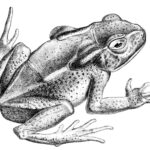
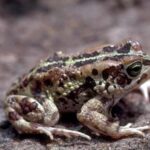
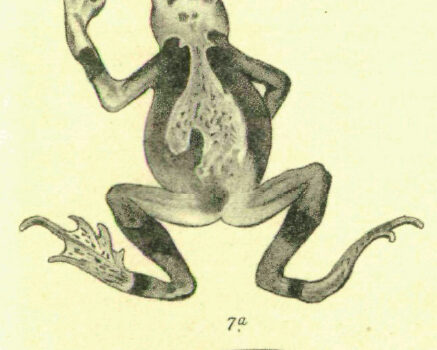
On first glance, the Eritrean Toad appears understated—a creature easily overlooked. Measuring just about 40-70 millimeters in length, it showcases a bulky yet compact form. Its skin, covered distinctly in granular warts, is typically earthy-hued in varying shades of brown, tan, gray, and sometimes mottled patterns helping in camouflage amidst rocky terrains and leaf litter.
Intriguingly, these warts are more than aesthetic traits—they play critical roles in survival. Specialized glandular structures called parotoid glands, prominently situated behind its eyes, produce mild behavioural toxins deterring predators, particularly small mammalian and avian species.
The toad’s eyes, protruding and circular, allow exceptional peripheral vision pivotal for evasion and accurate hunting. Its forelimbs, sturdy yet positioned for balanced contentment, contrast slightly longer hind limbs tailored perfectly for hopping short distances and effective burrowing activity. Even its coloration subtly alters between moisture-rich and dry seasons—a physiological adaptation ensuring optimal temperature regulation and camouflage protection from predators and harsh climates.
Behavior and Life Cycle: Unveiling Their Secret Lives#
Sclerophrys asmarae spends most daylight hours secreted in burrows or deep under vegetation, emerging at twilight to engage in nightly feeding activities. Predominantly insectivorous, its eclectic diet incorporates diverse prey including beetles, ants, earthworms, and occasionally small spiders, illustrating its vital role in regulating invertebrate populations within its ecosystem.
Breeding, raw yet artful, takes advantage of rainy season cues prominently from July to September. As thunderstorms saturate soils and create temporary shallow pools, males congregate at water edges, creating resounding choruses echoing vigorously through the cool highland evenings. Their vigorous calls, audible from impressive distances, serve to attract receptive females eager to mate after periods of inactivity or aestivation during dryer months.
An Intrepid Beginning: Egg to Tadpole to Toadlet#
Mating pairs, once exposed and bonded, engage typically through amplexus—a position allowing direct fertilization of eggs externally as females release them into temporary aquatic nurseries. Clutches often number several hundred gelatinous eggs, collectively clustered near submerged vegetation or modestly on water bottoms, offering initial protection and nutrient-rich microhabitat for developing embryos.
Within days, tadpole larvae emerge—small, translucent swimmers feeding voraciously on algae, plant matter, and microscopic organisms residing within pools. A precarious stage, tadpoles face significant natural threats from predatory insects, birds, and environmental variability, yet their rapid metamorphosis process ensures rapid transition to terrestrial lifestyle. Within weeks, these larvae transform completely, developing functional lungs, sturdy limbs, and mature coloration patterns indicative of adult life. Emerging as tiny toadlets, they scatter cautiously, venturing boldly into surrounding vegetation eventually assimilating into adult toad communities—thus perpetuating another generational cycle.
Ecological Role: Guardians of Balance#
While inconspicuous, the Eritrean Toad plays measurable roles within ecosystem structures. As focused insect predators, they aid agricultural communities, controlling pests potentially destructive to crops. Conversely, by maintaining their vulnerable position within complex food webs, they sustain local bird, reptile, and mammal populations dependent upon them as prey.
Biodiversity assessments regularly cite amphibians as sensitive ecological biomarkers showcasing changes in habitat quality. Given the delicate demands of moisture, temperature precision, and adequate prey availability, healthy populations of Sclerophrys asmarae serve as trusted indicators of environmental health within Eritrean highlands.
Threats and Conservation Status: Challenges in a Changing World#
The enigmatic nature of this modest species often complicates robust scientific assessments; however, habitat degradation remains a prominent concern. Urbanization pressures from expanding human populations threaten local waterways, while agricultural intensification involves increased pesticide use contaminating critical amphibian breeding pools. Though the IUCN lists data deficiency for detailed Sclerophrys asmarae assessments, regional pressures clearly necessitate mindful conservation strategies ensuring habitats stay pristine and functional.
Clearly, focused ecosensitive planning—considering local ecosystems when navigating development policies—emerges as essential action. Education programs facilitating community engagement and fostering heightened amphibian awareness also contribute meaningfully towards safeguarding Eritrea’s splendid highland biodiversity.
Cultural and Scientific Significance#
In Eritrean folklore, amphibians such as toads hold subtle symbology—understood historically as harbingers of seasonal rains or successful agricultural cycles. Scientifically, ongoing research assessing amphibian toxins uncovers potential medicinal, antimicrobial treatments derived from skin secretions. Thus, unraveling unique biological compounds within Sclerophrys asmarae not only enriches knowledge but may one day yield future therapeutic marvels.
Conclusion: Protecting the Quiet Wonders Among Us#
The Eritrean Toad, often unnoticed amongst charismatic wildlife, embodies subtle charm—an ecological hero crucially balancing Eritrea’s highland ecosystems. Despite thriving quietly below our immediate recognition, their delicate existence reminds us persistent attention towards conservation safeguards intricate biodiversity threads. The story of Sclerophrys asmarae resonates quietly yet compellingly—a gentle call urging us collectively to treasure biodiversity’s hidden wonders.